🇹🇷 Türkçe | İğnenin İzinde Uzayan Akşamlar
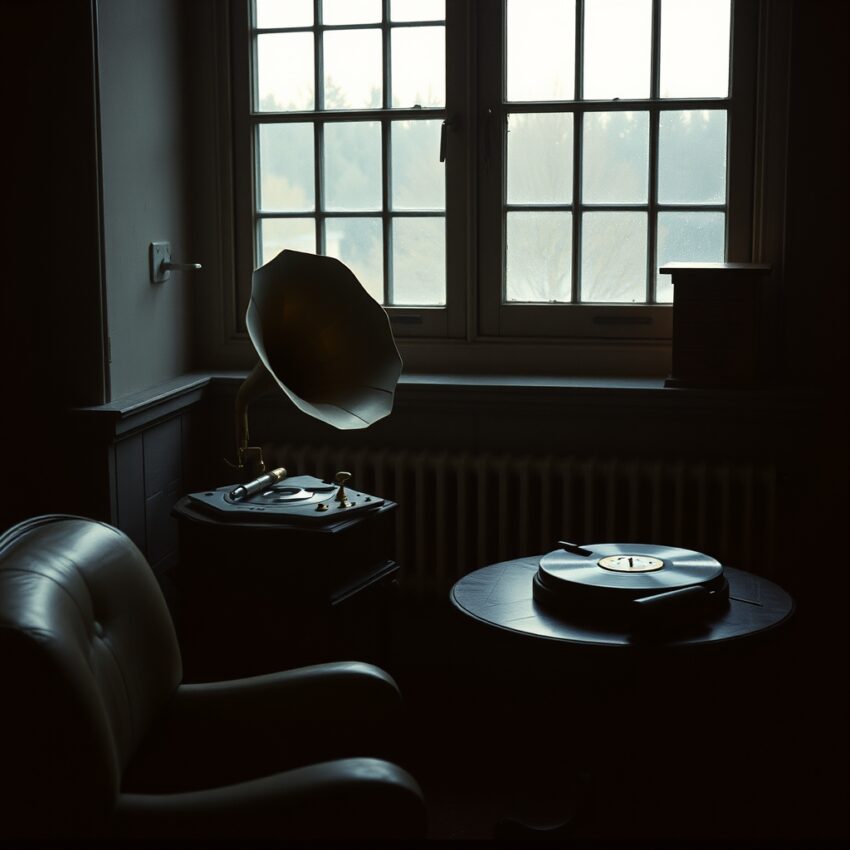
Bir zamanlar akşamın ağır ağır yerine yerleştiği saatlerde, evin en sabırlı eşyalarından biri gramofon olurdu. Pencere önünde bekleyen serinlik odaya sızarken perdeler hafifçe kımıldar, çayın son demi bardaklara bölünür, bir köşede duran gramofonun kapağı özenle açılırdı. Plak elden ele dikkatle dolaşır, iğne yerine yerleştirilirken herkesin hareketi biraz yavaşlar, ses başlamadan önceki o küçük sessizlik bile başlı başına bir törene dönüşürdü. Gramofon başında geçen saatler, yalnız müzik dinlemek anlamına gelmezdi; zamanın akışını daha usul, daha ölçülü, daha dikkatli yaşamayı da öğretirdi. Belki de bu yüzden o cihazlar bozulduğunda hemen gözden çıkarılmadı; tamircilerin elinde ikinci bir ömür bulmaları, teknik bir onarımdan çok duygusal bir ısrarın sonucuydu.
Teknoloji Mirası açısından gramofon, analog çağın mekanik zarafetini en iyi anlatan araçlardan biridir. Elektriğe tam yaslanmadan, dişliler, yaylar, kol gücü ve hassas ayarlarla çalışan bu alet, sesi yalnız iletmez; onu neredeyse elle kurulan bir hatıraya dönüştürürdü. Kullanıcısından sabır isterdi: plağı silmek, kolu dikkatle kurmak, iğneyi özenle yerleştirmek, başındaki cızırtıyı kabul etmek. Bu zahmet bugünün hızına göre kusur gibi görünebilir, ama o dönemde tam da ilişkinin kendisiydi. İnsanlar müziğe dokunarak yaklaşır, cihazın çalışma düzenini öğrenir, bozulduğunda kapısını çaldıkları tamircinin maharetine güvenirlerdi. Gramofonun ikinci hayatı burada başlar: eşyayı yenisiyle değiştirmek yerine onu yeniden işitilir kılma arzusu.
Tamir dükkânlarının kültürel önemi çoğu zaman bu tür eşyalarda görünür olurdu. Dar bir sokakta, camekânında saatler, radyolar, küçük ampuller ve sökülmüş parçalar duran dükkânlarda ustalar yalnız cihaz değil, bir dönemin dinleme alışkanlığını da korurdu. Gramofon getiren müşteri çoğu zaman “çalsın yeter” demezdi; sesin eski sıcaklığına, kolun alışılmış direncine, kapağın tanıdık kapanışına da kavuşmak isterdi. Tamirci ise yedek parça bulmak kadar hafızayı okuma işini de yapardı. Hangi yay gevşemiş, hangi kol dişi aşınmış, hangi iğne artık sesi çiziyor; bunlar kadar, bu eşyanın evde ne anlam taşıdığı da sezilirdi. Çünkü pencere önlerinde bekleyen akşamlarda gramofonun çalması, yalnız bir müzik aletinin işlemesi değil; eski bir zaman duygusunun yeniden kurulması demekti.
Gramofonun neden bugün yeniden ilgi gördüğünü anlamak için de o usul akşam ritmine bakmak gerekir. Şimdi birçok insanın plaklara ve eski ses cihazlarına yönelmesi, yalnız nostaljik görüntü sevmekten kaynaklanmıyor. Daha yavaş, daha bilinçli, daha dokunulabilir bir deneyim arayışı var. Müziğin arka planda akıp gittiği bir çağda gramofon, dinlemeyi yeniden merkezî bir eyleme dönüştürüyor. Plağın dönüşünü izlemek, hafif cızırtıyı duymak, parçanın gerçekten başlayışını beklemek, bugünün kopuk dikkatine karşı küçük bir disiplin gibi çalışıyor. Onu onaran tamircilerin kıymeti de bu yüzden yeniden fark ediliyor: onlar yalnız makineyi değil, bir dikkat kültürünü de ayağa kaldırıyor.
Bugün gramofon başında geçen saatleri hatırladığımızda ya da yeniden kurmaya çalıştığımızda, özlenen şey kusursuz ses değildir. Asıl özlenen, pencere önünde ağırlaşan akşamla birlikte insanı kendi zamanına geri çağıran o mekanik inceliktir. Tamircilerin elinde bulunan ikinci ömür, bize eşyayla ilişkinin bir kullanım süresinden ibaret olmadığını hatırlatır. Bazı cihazlar, onları dinleyen insanların sabrı kadar yaşar. Gramofon da böyledir. İğnesi, yayı, plağı ve cızırtısıyla geçmişin akşamlarına açılan bir kapı olmayı sürdürür; çünkü onun sesi kadar sessizliği de hafızada yer eder.
🇬🇧 English | Evenings Lengthening in the Track of the Needle
There was a time when, in the hours when evening slowly settled into its place, one of the most patient objects in the house was the gramophone. As the coolness waiting by the window slipped into the room and the curtains stirred lightly, the last steeping of tea was poured into glasses and the lid of the gramophone standing in a corner was opened with care. A record was passed gently from hand to hand, everyone’s movements slowed as the needle was set in place, and even the small silence before the music began became a ceremony of its own. The hours spent beside the gramophone did not mean only listening to music. They also taught people to inhabit time in a gentler, more measured, more attentive way. That may be why these devices were not quickly cast aside when they failed. The second life they found in the hands of repairmen was the result not only of technical work, but of emotional insistence.
From the perspective of technological heritage, the gramophone is one of the finest examples of the mechanical elegance of the analog age. Working not fully through electricity but through gears, springs, hand force, and delicate adjustment, it did not merely deliver sound; it turned sound into something like a memory assembled by hand. It demanded patience from its user: wiping the record, winding the handle carefully, setting the needle precisely, accepting the crackle at the beginning. By the standards of today’s speed, this effort may seem like a flaw, but in that period it was the relationship itself. People approached music by touching it, learned the logic of the device, and trusted the skill of the repairman whose door they knocked on when it broke. The second life of the gramophone begins exactly there, in the desire to make an object audible again rather than replacing it with something new.
The cultural importance of repair shops often became visible through such objects. In narrow streets, behind windows filled with clocks, radios, small bulbs, and disassembled parts, craftsmen preserved not only devices but an entire habit of listening. The customer who brought in a gramophone rarely meant only “make it play.” They wanted the old warmth of the sound, the familiar resistance of the winding arm, the known weight of the lid closing. The repairman, in turn, did more than find spare parts; he also read memory. Which spring had loosened, which gear tooth had worn down, which needle now scratched the sound, and beyond that, what the object meant within the household. Because for evenings waiting by the window, the gramophone’s playing meant not merely that a machine worked again, but that an old sense of time had been reassembled.
To understand why the gramophone attracts renewed interest today, one has to look at that gentle rhythm of evening. Many people turning now toward records and old sound devices are not moved only by a love of nostalgic appearances. There is also a search for a slower, more conscious, more touchable experience. In an era when music flows past as background, the gramophone turns listening back into a central act. Watching the record rotate, hearing the soft crackle, waiting for the piece to truly begin, all work as a small discipline against the fractured attention of the present. That is also why the repairmen who restore these devices are newly valued: they do not revive only a machine, but a culture of attention.
When we remember the hours spent beside the gramophone today, or try to build them again, what is missed is not perfect sound. What is really missed is that mechanical delicacy which called a person back to their own time as evening grew heavier by the window. The second life found in the hands of repairmen reminds us that our relationship with objects is not limited to a period of use. Some devices last as long as the patience of the people who listen through them. The gramophone is one of them. With its needle, spring, record, and crackle, it remains a doorway into the evenings of the past, because not only its sound but also its silence lodges in memory.
🇧🇷 Português (Brasil) | No Rastro da Agulha, Noites que se Alongavam
Houve um tempo em que, nas horas em que a noite se acomodava devagar, um dos objetos mais pacientes da casa era o gramofone. Enquanto o frescor que esperava junto à janela entrava no quarto e as cortinas se moviam de leve, o último chá era servido nos copos e a tampa do gramofone guardado em um canto era aberta com cuidado. O disco passava de mão em mão com delicadeza, os movimentos de todos ficavam mais lentos quando a agulha era colocada no lugar, e até o pequeno silêncio antes de a música começar virava uma cerimônia. As horas passadas ao lado do gramofone não significavam apenas ouvir música. Ensinavam também a viver o tempo de modo mais suave, mais medido e mais atento. Talvez por isso esses aparelhos não fossem descartados de imediato quando quebravam. A segunda vida que encontravam nas mãos dos consertadores vinha não só de um reparo técnico, mas de uma insistência afetiva.
Do ponto de vista do patrimônio tecnológico, o gramofone é um dos melhores exemplos da elegância mecânica da era analógica. Funcionando não totalmente pela eletricidade, mas por engrenagens, molas, força manual e regulagem delicada, ele não apenas transmitia som; transformava o som em algo parecido com uma memória montada à mão. Exigia paciência do usuário: limpar o disco, dar corda com cuidado, posicionar a agulha com precisão, aceitar a chiadeira do começo. À velocidade de hoje, esse esforço pode parecer defeito, mas naquela época ele era a própria relação. As pessoas se aproximavam da música tocando nela, aprendiam a lógica do aparelho e confiavam na habilidade do consertador a quem recorriam quando algo falhava. A segunda vida do gramofone começa exatamente aí: no desejo de torná-lo audível novamente em vez de substituí-lo por outro.
A importância cultural das oficinas de conserto aparecia com clareza por meio desses objetos. Em ruas estreitas, atrás de vitrines com relógios, rádios, pequenas lâmpadas e peças desmontadas, os mestres preservavam não apenas aparelhos, mas um hábito inteiro de escuta. Quem levava um gramofone para consertar raramente queria apenas “que tocasse”. Queria recuperar o calor antigo do som, a resistência conhecida da manivela, o jeito familiar de a tampa se fechar. O consertador, por sua vez, fazia mais do que procurar peças: ele lia a memória. Qual mola havia afrouxado, qual dente da engrenagem se gastara, qual agulha já riscava o som e, além disso, o que aquele objeto significava dentro da casa. Porque, nas noites à espera junto à janela, o gramofone tocar de novo não significava só o funcionamento de uma máquina, mas a remontagem de um velho sentido de tempo.
Para entender por que o gramofone voltou a despertar interesse hoje, é preciso olhar para esse ritmo suave do entardecer. Muitas pessoas que se aproximam de discos e aparelhos antigos de som não buscam apenas uma aparência nostálgica. Existe também a procura por uma experiência mais lenta, mais consciente e mais tátil. Em uma época em que a música corre como fundo permanente, o gramofone devolve à escuta o lugar de ato central. Observar o disco girar, ouvir a chiadeira leve, esperar o começo verdadeiro da faixa funciona como uma pequena disciplina contra a atenção fragmentada do presente. É por isso que o valor dos consertadores volta a ser reconhecido: eles restauram não só a máquina, mas também uma cultura de atenção.
Quando lembramos hoje das horas passadas ao lado do gramofone, ou tentamos recriá-las, o que faz falta não é o som perfeito. O que realmente se deseja é essa delicadeza mecânica que, com a noite ficando mais densa na janela, chama a pessoa de volta para o próprio tempo. A segunda vida encontrada nas mãos dos consertadores lembra que a relação com os objetos não se resume a um período de uso. Alguns aparelhos duram tanto quanto a paciência de quem os escuta. O gramofone é um deles. Com sua agulha, sua mola, seu disco e sua chiadeira, continua sendo uma porta para as noites do passado, porque não é apenas o seu som que permanece na memória, mas também o seu silêncio.