🇹🇷 Türkçe | Sokağın Ev Gibi Isındığı Saatler
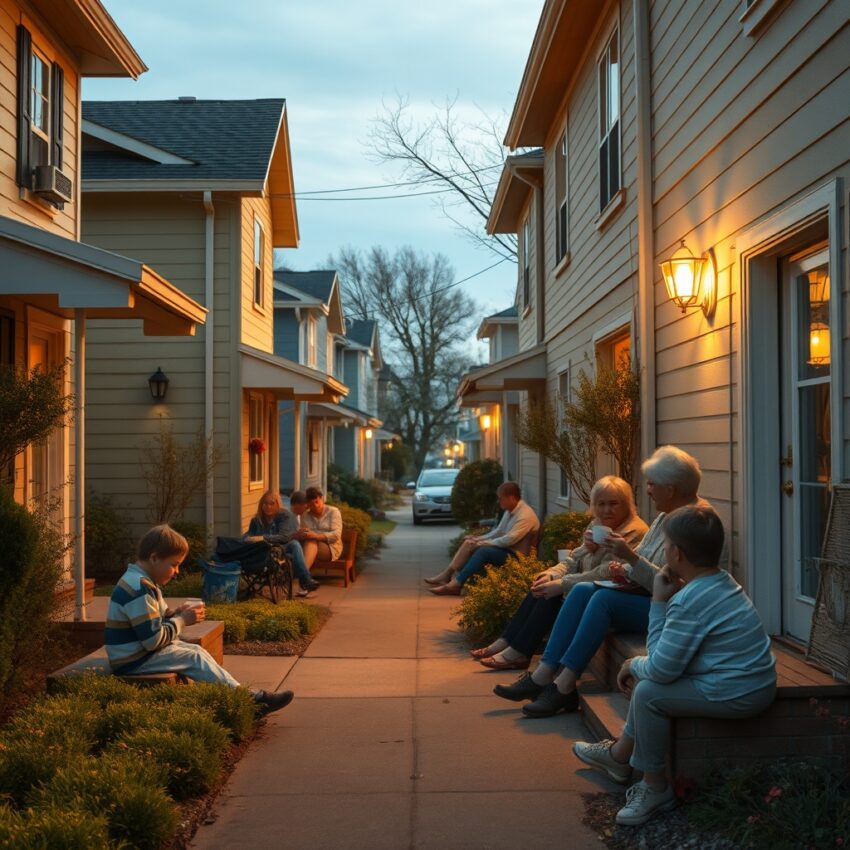
Baharın ilk tam ılık akşamları geldiğinde mahallede görünmez bir işaret verilmiş gibi olurdu. Gün boyu kapalı duran kapılar biraz daha uzun açık kalır, pencere önlerine serilen minderler dışarı taşar, ev içindeki sandalyeler eşikten sokağa doğru kayardı. Tam o saatlerde kapı önü sohbetleri başlar, sokağın sert sınırları yumuşar, herkes birbirinin hayatına biraz daha yakın dururdu. Bir evden çay kokusu yükselir, başka bir evden taze yıkanmış çamaşırların sabunlu serinliği gelir, çocukların sesi kaldırım taşları boyunca uzarken büyüklerin konuşması akşam serinliğini doldururdu. Bahar başlangıcında sokağın ortak bir eve dönüşmesi, işte bu doğal ve tekrar eden yakınlıktan doğardı.
Mahalle Kültürü açısından kapı önü sohbetleri, komşuluğun en görünür ve en sıcak sahnelerinden biridir. Çünkü bu sohbetler planlı toplantılar değil, gündelik yaşamın kendiliğinden açılan uzantılarıydı. Akşam yemeği hazırlanırken bir tabure dışarı çıkar, eldeki ayıklama işi eşikte sürer, komşuya uzatılan bir tabakla birlikte laf da dolaşıma girerdi. Kimin çocuğu hastalanmış, hangi dükkâna yeni mal gelmiş, hangi evde nişan hazırlığı var, kim sabah erkenden memlekete gitmiş; bütün küçük haberler bu eşiklerde usulca paylaşılırdı. Sokak böylece yalnız geçilen bir yer olmaktan çıkar, ortak hafızanın kurulduğu yarı açık bir salona dönüşürdü.
Bu kültürün en unutulmaz tarafı, ev içi mahremiyet ile kamusal alan arasında kurduğu dengedir. İnsanlar ne tam içeridedir ne de bütünüyle dışarıda. Kapının önü, ikisinin arasında duran bir yakınlık sahasıdır. Kadınlar örgü örerken konuşur, yaşlılar sandalyesini duvara yaslayıp geçenleri selamlardı. Çocuklar seksek çizgilerinin üstünde oynar, top peşinde koşarken bir büyükten azar, bir başkasından şeker alırdı. Esnaf dükkânını kapatırken uğrayıp iki çift söz eder, gençler biraz ötede kendi gruplarını kurardı. Böylece sokak, birbirinden haberdar insanların gevşek ama güçlü bağıyla örülen bir yaşam alanına dönüşürdü.
Bahar başlangıcının bu sahnede özel bir yeri vardır. Kışın içe kapanmış düzeni çözülür, evin havası dışarıyla yer değiştirir, akşam ışığı daha geç çekildiği için sohbet daha uzun sürerdi. Sardunyalar yeniden pencere önüne dizilir, kapı eşikleri silinir, çocuklara “geç kalmayın” denirken bile daha geniş bir hareket alanı tanınırdı. Sokağın ortak eve dönüşmesi biraz da mevsimin açtığı bu ruh hâliyle ilgilidir. İnsanlar yalnız birbirini görmek için değil, mevsimin verdiği ferahlığı paylaşmak için de kapı önüne çıkardı. Mahalle böyle anlarda, apartman numaralarından ya da sokak isimlerinden daha büyük bir aidiyet duygusu kazanırdı.
Bugün bu sohbetleri özlemle anmamızın sebebi yalnız eski günlerin yavaşlığı değildir. Asıl sebep, kapı önünde kurulan bu küçük topluluğun insanlara görünmeden güven vermesidir. Bir sokakta kimin hasta olduğu, kimin sevindiği, kimin yardıma ihtiyacı olduğu bu sohbetlerle fark edilirdi. Ortak ev duygusu tam da burada kurulurdu: herkesin kendi kapısı vardı ama sokağın havası ortaktı. Bahar akşamlarında başlayan o sohbetler, duvarların bittiği yerde toplumsal yakınlığın başladığını hatırlatırdı. Bu yüzden kapı önü sohbetleri hâlâ bir dönemin en sıcak mahalle miraslarından biri olarak yaşar.
🇬🇧 English | The Hours When the Street Warmed Like a Home
When the first truly mild evenings of spring arrived, it was as if an invisible signal had been given across the neighborhood. Doors that stayed shut all day remained open a little longer, cushions placed by windows spread outward, and chairs from inside the home slid slowly toward the threshold. At just those hours doorstep conversations began, the hard boundaries of the street softened, and everyone stood a little closer to one another’s lives. The scent of tea rose from one house, the cool soap smell of freshly washed laundry came from another, children’s voices stretched along the paving stones, and the speech of adults filled the evening air. The street became a shared home at the beginning of spring through precisely this natural and repeated closeness.
From the perspective of neighborhood culture, doorstep conversations are among the most visible and warmest scenes of communal life. They were not planned meetings, but spontaneous extensions of the day itself. While dinner was being prepared, a stool would be brought outside, a task of sorting vegetables would continue on the threshold, and along with a plate passed to the neighbor, conversation would begin to circulate as well. Whose child had fallen ill, which shop had received new goods, where an engagement was being prepared, who had left early that morning for the hometown, all the small news of life was shared quietly at these doorways. In that way the street ceased to be merely a place of passage and became a half-open sitting room where collective memory was made.
One of the most unforgettable aspects of this culture was the balance it created between domestic privacy and public space. People were neither fully inside nor entirely outside. The doorstep was a field of closeness standing between the two. Women spoke while knitting, older residents leaned their chairs against the wall and greeted those passing by. Children played hopscotch on chalk lines, chased balls, received a scolding from one elder and candy from another. Shopkeepers stopped by for a few words while closing up, and young people formed their own small circles a little farther down the street. The street thus became a living space woven by the loose yet strong bond of people aware of one another.
The beginning of spring held a special place in this scene. The inward order of winter loosened, the air of the house exchanged places with the air outside, and because evening light lingered longer, the conversation did too. Geraniums returned to the windowsills, thresholds were washed, and even when children were told not to stay out late, they were still given a wider field of movement. The street became a shared home partly because of this mood opened by the season. People stepped outside not only to see one another, but also to share the relief that spring itself provided. In such moments the neighborhood gained a belonging larger than apartment numbers or street names.
The reason these conversations are remembered with longing today is not merely the slowness of older days. It is that the small community formed at the doorstep gave people an unnoticed sense of safety. Who was ill, who was joyful, who needed help, all could be felt through these exchanges. The feeling of a shared home was built exactly there: each person had a separate door, yet the air of the street belonged to everyone. Those conversations beginning on spring evenings reminded people that where walls ended, social closeness began. That is why doorstep conversations still endure as one of the warmest inheritances of neighborhood life.
🇧🇷 Português (Brasil) | As Horas em que a Rua Ficava Quente como uma Casa
Quando chegavam as primeiras noites realmente amenas da primavera, era como se um sinal invisível fosse dado em todo o bairro. Portas que ficavam fechadas o dia inteiro permaneciam abertas por mais tempo, almofadas colocadas junto às janelas avançavam para fora, e cadeiras de dentro de casa deslizavam lentamente em direção à soleira. Era justamente nessas horas que começavam as conversas à porta, os limites duros da rua se suavizavam, e todos ficavam um pouco mais próximos da vida uns dos outros. De uma casa subia o cheiro de chá, de outra vinha o frescor ensaboado da roupa recém-lavada, as vozes das crianças se estendiam pelas pedras da calçada, e a fala dos adultos preenchia o ar do entardecer. No início da primavera, a rua se transformava em uma casa compartilhada por causa dessa proximidade natural e repetida.
Do ponto de vista da cultura de bairro, as conversas à porta estão entre as cenas mais visíveis e calorosas da convivência. Não eram encontros marcados, mas prolongamentos espontâneos do próprio cotidiano. Enquanto o jantar era preparado, um banquinho era levado para fora, algum trabalho de escolher legumes continuava na soleira, e junto com um prato estendido ao vizinho, a conversa também começava a circular. De quem era a criança que tinha adoecido, qual loja havia recebido mercadoria nova, em que casa se preparava um noivado, quem tinha viajado cedo para a terra natal, todas as pequenas notícias da vida eram compartilhadas com calma nessas entradas. Assim, a rua deixava de ser apenas um lugar de passagem e se tornava uma sala semiaberta onde a memória comum era construída.
Um dos aspectos mais inesquecíveis dessa cultura estava no equilíbrio que criava entre a intimidade doméstica e o espaço público. As pessoas não estavam totalmente dentro nem completamente fora. A porta era um território de proximidade entre os dois lados. As mulheres conversavam enquanto tricotavam, os mais velhos apoiavam a cadeira na parede e cumprimentavam quem passava. As crianças brincavam de amarelinha, corriam atrás da bola, levavam bronca de um adulto e recebiam doce de outro. Os comerciantes passavam para trocar duas palavras ao fechar a loja, e os jovens formavam seus próprios grupos um pouco mais adiante. Assim, a rua se transformava em um espaço de vida tecido pelo vínculo solto, porém forte, de pessoas atentas umas às outras.
O início da primavera ocupava um lugar especial nessa cena. A ordem recolhida do inverno se desfazia, o ar da casa trocava de lugar com o ar de fora, e como a luz da tarde demorava mais a desaparecer, a conversa também durava mais. Os gerânios voltavam para as janelas, as soleiras eram lavadas, e mesmo quando se dizia às crianças para não voltar tarde, elas recebiam um campo de movimento mais amplo. A rua se tornava casa compartilhada também por causa desse estado de espírito que a estação abria. As pessoas saíam à porta não apenas para se ver, mas para dividir o alívio e a leveza que a primavera trazia. Nesses momentos, o bairro ganhava um sentimento de pertencimento maior do que números de prédio ou nomes de rua.
O motivo de lembrarmos essas conversas com tanta saudade hoje não é apenas a lentidão dos tempos antigos. O principal é que essa pequena comunidade formada à porta oferecia às pessoas uma sensação discreta de segurança. Quem estava doente, quem estava feliz, quem precisava de ajuda, tudo isso era percebido nessas trocas. A sensação de casa compartilhada se construía exatamente ali: cada pessoa tinha sua própria porta, mas o ar da rua pertencia a todos. As conversas que começavam nas noites de primavera lembravam que, onde terminavam as paredes, começava a proximidade social. É por isso que elas continuam vivas como uma das heranças mais calorosas da cultura de bairro.