🇹🇷 Türkçe | Mum Işığında Uzayan Akşamlardan Kalan Şehir Yakınlığı
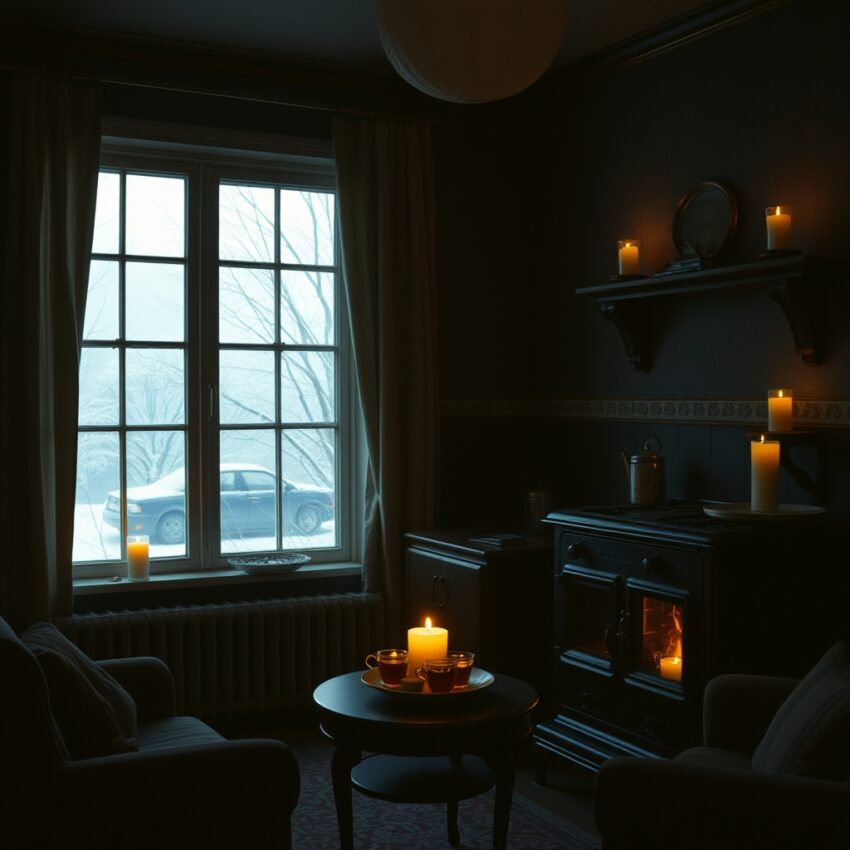
Bir zamanlar kış mevsimi yalnız soğukla değil, elektrik kesintisi ihtimaliyle de hatırlanırdı. Akşam erkenden çöker, sokak lambalarının bazıları yanarken bazıları ansızın söner, apartman boşluklarına yayılan sessizlik birkaç saniye içinde evlerin içine kadar girerdi. Tam o anda bir düğmeye daha basılır, sonra herkes aynı gerçeği kabul ederdi: bu gece biraz daha yavaş akacaktı. Sobanın çıtırtısı, tüpte kaynayan çayın sesi ve çekmeceden çıkarılan mumların ince kokusu, karanlığı korkudan çok yakınlığa dönüştürürdü. Kışın uzayan elektrik kesintileri, bir kuşağın içini işte böyle ısıttı; çünkü ışık eksilirken konuşmalar çoğalıyor, ev sanki kendi sesini yeniden buluyordu.
Zamanın İzinde bakıldığında bu akşamlar, eski şehir hayatının ortak sabır terbiyesini gösteren küçük ama güçlü sahnelerdir. Gazetelerde enerji sıkıntısı, hava şartları ya da altyapı arızaları kısa haberler olarak geçerdi; fakat asıl tarih, bu haberlerin evlerde nasıl yaşandığında saklıydı. Elektrik gidince televizyon susar, radyo pille çalışıyorsa bir süre dayanır, sonra ev halkı birbirine dönmek zorunda kalırdı. Büyükler eski kışlardan söz açar, mahallede kimin daha önce mum stokladığı konuşulur, çocuklar gölgelerin duvara vurduğu biçimlerden oyun çıkarırdı. Yani kesinti, eksilme kadar toplanma da demekti. Şehir bir yandan karanlığa gömülürken, ev içi hayat görünmez biçimde yoğunlaşırdı.
Bu akşamların şehir belleğinde derin iz bırakmasının bir nedeni, gündelik hayatın normal akışını kırarak insanları birbirine yeniden yaklaştırmasıydı. Bazı apartmanlarda komşular kapı aralığından seslenir, “sizdə de gitti mi” diye sorulur, alt kattaki teyzenin getirdiği gaz lambası kısa süreliğine bütün merdiven boşluğunu aydınlatırdı. Çocuklar için kesinti biraz macera, biraz tedirginlikti; ama aynı zamanda yetişkin dünyasına daha dikkatle kulak verdikleri zamanlardı. Karanlıkta anlatılan aile hikâyeleri, yarım kalan nişan anıları, eski mahalle taşınmaları ya da askerden dönülen günler, bu saatlerde yeniden dolaşıma girerdi. Demek ki elektrik kesintisi, sadece teknolojik bir aksama değil; sözlü hafızanın beklenmedik kapısını aralayan bir aracıydı.
Gündelik ayrıntılar bu sıcaklığı daha belirgin kılar. Mum ışığında ekmek kesmenin gölgesi değişirdi, çayın rengi daha koyu görünür, pencere camına vuran rüzgâr insanın dışarıdaki soğuğu daha fazla hissetmesine yol açardı. Bazı evlerde battaniye salona taşınır, bazı evlerde çocuklar erkenden yatırılmak yerine biraz daha oturmalarına izin verilirdi. Çünkü o akşamların kendine özgü bir istisna hâli vardı. Saatler tam bilinmez, duvardaki saat çalışsa bile zaman görsel değil işitsel ilerlerdi: çay kaşığının sesi, sobaya atılan kömür, dışarıdan gelen köpek havlaması, uzakta yeniden gelen bir elektrik uğultusu. Bu yavaşlık, modern hayatın bölünmüş dikkatini kısa süreliğine askıya alır ve ev içi zamanı daha yoğun yaşanır kılardı.
Sabahın cam açtıran tarafı ise bu gecelerin hafızada neden bu kadar canlı kaldığını tamamlar. Elektrik gece geç saatte gelse bile evlerde ağır bir soba kokusu, mum isi, kalın battaniye sıcaklığı ve bütün gece kapanmış odaların birikmiş havası olurdu. Sabah olunca ilk iş pencereyi aralamak, soğuk ama temiz havayı içeri almak, perdeleri çekmek ve yeni günün ışığıyla eve yeniden düzen vermekti. İşte o an, gecenin konuşmalarıyla sabahın ayıklığı birbirine bağlanırdı. Cam açtıran sabahlar, bir önceki akşamın karanlığını dağıtırken geride bıraktığı yakınlık duygusunu silmezdi. Tam tersine, o uzun gecelerin gerçekten yaşandığını hissettiren son işaret olurdu.
Bugün bu kesintileri hatırlarken özlenen şey, elbette zorlukların kendisi değildir. Özlenen biraz da şehir hayatının arıza anlarında bile insanı tamamen yalnız bırakmayan tarafıdır. Elektrik yokken televizyonun yerini sohbetin, parlak ekranların yerini yüzlerin, acele haberlerin yerini sabırla anlatılan hatıraların alması, bir kuşağın duygusal hafızasında kolay silinmeyecek bir yer açtı. Kışın uzayan kesinti akşamları bu yüzden şehir belleğinde derin bir iz bıraktı: karanlığın içinde bile birlikte oturmanın, sesi yükseltmeden yakınlaşmanın ve sabah pencere açınca hâlâ aynı evin içinde olmanın kıymetini öğretti.
🇬🇧 English | The Urban Intimacy Left Behind by Evenings Lengthened in Candlelight
There was a time when winter was remembered not only for the cold, but also for the possibility of a power outage. Evening fell early, some streetlights remained on while others suddenly went dark, and a silence spread through apartment corridors before settling inside the homes themselves. Someone would press the switch once more, and then everyone accepted the same fact: that night would move more slowly. The crackle of the stove, the sound of tea simmering on the gas flame, and the thin smell of candles taken from a drawer turned darkness into something closer to intimacy than fear. That was how winter’s long outages warmed a generation from within. As light decreased, conversation grew, and the house seemed to recover its own voice.
Seen historically, these evenings were small yet powerful scenes showing the shared discipline of patience in older urban life. Newspapers might mention energy shortages, bad weather, or infrastructure failures in a few lines, but the real history survived in the way those lines were lived at home. When the power failed, the television fell silent, the radio continued only if batteries remained, and people had little choice but to turn toward one another. Elders began speaking of older winters, neighbors’ habits were discussed, and children invented games from the shadows thrown on the wall. In that sense, an outage meant not only loss, but gathering. While the city itself slipped into darkness, life inside the home quietly deepened.
One reason these evenings left such a deep mark on urban memory was that they broke the ordinary flow of daily life and drew people back toward one another. In some buildings, neighbors called through half-open doors to ask whether the electricity had gone on their floor too, and the kerosene lamp brought by the woman downstairs could light an entire stairwell for a short while. For children, the outage felt partly like adventure and partly like unease, yet it was also a time when they listened more carefully to the adult world. Family stories told in the dark, half-forgotten engagement memories, tales of moving from one neighborhood to another, or recollections of military service all returned during those hours. The outage was therefore not merely a technical interruption, but an unexpected opening for spoken memory.
The details of everyday life make that warmth even clearer. Bread cut in candlelight cast a different shadow, tea looked darker in the glass, and the wind striking the windowpanes made the cold outdoors feel more present. In some homes blankets were brought into the living room, and in others children were allowed to stay up longer than usual instead of being sent to bed early. Those nights carried a sense of exception. Time was no longer measured visually, even if the wall clock still worked. It moved through sound: the clink of a teaspoon, coal dropped into the stove, a dog barking outside, or the distant hum that suggested electricity might be returning somewhere nearby. That slower rhythm briefly suspended the fractured attention of modern life and made domestic time feel denser and more shared.
The mornings that made windows open complete the reason these nights remain so vivid in memory. Even when the electricity returned late, the house still held the smell of the stove, a trace of candle soot, the heaviness of blankets, and the accumulated air of rooms that had stayed closed all night. Morning began with opening a window, letting in sharp but clean air, drawing back the curtains, and giving the home its order again through daylight. In that moment, the conversations of the night and the clarity of morning met. Those window-opening mornings did not erase the darkness of the previous evening. They confirmed that it had truly been lived. They were the final sign that the closeness born in the dark had not disappeared with the return of light.
What is missed in remembering those outages today is not the hardship itself. What is missed is the side of urban life that, even in moments of failure, did not leave people completely alone. When electricity was gone, conversation replaced television, faces replaced bright screens, and patiently told memories replaced the fast delivery of information. That is why the long outage evenings of winter left such a deep trace in city memory. They taught the value of sitting together even in darkness, of growing closer without raising the voice, and of discovering in the cold air of the morning that the same house, and the same shared life, were still there.
🇧🇷 Português (Brasil) | A Proximidade Urbana Deixada pelas Noites Alongadas à Luz de Velas
Houve um tempo em que o inverno era lembrado não só pelo frio, mas também pela possibilidade de faltar energia. A noite chegava cedo, alguns postes continuavam acesos enquanto outros se apagavam de repente, e um silêncio se espalhava pelos corredores dos prédios antes de entrar nas casas. Alguém ainda apertava o interruptor mais uma vez, e então todos aceitavam a mesma verdade: aquela noite seguiria mais devagar. O estalo do fogão a lenha ou do aquecedor, o som do chá fervendo no fogo e o cheiro fino das velas tiradas da gaveta transformavam a escuridão em algo mais próximo da intimidade do que do medo. Foi assim que os longos cortes de energia do inverno aqueceram por dentro toda uma geração. Quando a luz diminuía, a conversa crescia, e a casa parecia recuperar a própria voz.
Vista no tempo, essa cena foi um dos pequenos e fortes retratos da paciência compartilhada na antiga vida urbana. Os jornais podiam mencionar falta de energia, mau tempo ou falhas na infraestrutura em poucas linhas, mas a verdadeira história ficava guardada na forma como isso era vivido dentro de casa. Quando a eletricidade caía, a televisão se calava, o rádio só resistia se houvesse pilhas, e as pessoas precisavam voltar umas para as outras. Os mais velhos falavam de invernos antigos, comentava-se qual vizinho tinha mais velas guardadas, e as crianças inventavam brincadeiras com as sombras na parede. Nesse sentido, o apagão significava não apenas perda, mas reunião. Enquanto a cidade mergulhava na escuridão, a vida doméstica se adensava silenciosamente.
Uma razão para essas noites terem deixado marca tão funda na memória urbana era o fato de interromperem o fluxo normal do cotidiano e aproximarem as pessoas de novo. Em alguns prédios, os vizinhos perguntavam pela porta entreaberta se a luz tinha acabado para todos, e o lampião trazido pela senhora do andar de baixo podia iluminar o vão da escada por alguns minutos. Para as crianças, a falta de energia era um pouco aventura e um pouco apreensão, mas também era o momento de ouvir com mais atenção o mundo dos adultos. Histórias de família contadas no escuro, lembranças de noivados, mudanças de bairro ou dias de quartel voltavam a circular nessas horas. O corte de energia, portanto, não era apenas uma falha técnica, mas uma abertura inesperada para a memória oral.
Os detalhes cotidianos tornam essa sensação ainda mais nítida. O pão cortado à luz de vela projetava outra sombra, o chá parecia mais escuro no copo, e o vento batendo no vidro fazia sentir com mais força o frio lá fora. Em algumas casas, os cobertores eram levados para a sala; em outras, as crianças ganhavam permissão para ficar acordadas mais um pouco. Havia nessas noites uma espécie de exceção doméstica. O tempo deixava de ser algo principalmente visual e passava a ser ouvido: o tilintar da colher, o carvão lançado ao fogão, o latido distante de um cachorro, o zumbido ao longe indicando que a energia talvez estivesse voltando em algum lugar. Essa lentidão suspendia por um instante a atenção fragmentada da vida moderna e fazia o tempo da casa parecer mais espesso e compartilhado.
As manhãs que faziam abrir as janelas completam a razão de essas noites permanecerem tão vivas na lembrança. Mesmo quando a luz voltava tarde, a casa amanhecia com cheiro de fogão, um pouco de fuligem de vela, o peso dos cobertores e o ar acumulado dos quartos fechados. O primeiro gesto da manhã era abrir a janela, deixar entrar o ar frio e limpo, puxar a cortina e devolver à casa sua ordem pela claridade do dia. Nesse momento, as conversas da noite encontravam a lucidez da manhã. Essas manhãs de janela aberta não apagavam a escuridão da véspera. Confirmavam que ela havia sido realmente vivida. Eram o último sinal de que a proximidade nascida no escuro não se desfez com a volta da luz.
Ao recordar esses apagões hoje, o que faz falta não é a dificuldade em si. Faz falta a parte da vida urbana que, mesmo nas falhas, não deixava ninguém completamente sozinho. Sem eletricidade, a conversa ocupava o lugar da televisão, os rostos substituíam as telas luminosas, e as lembranças contadas com calma tomavam o lugar das notícias rápidas. É por isso que as longas noites de corte de energia do inverno deixaram marca tão profunda na memória da cidade. Elas ensinaram o valor de permanecer junto mesmo no escuro, de se aproximar sem alarde e de descobrir, ao abrir a janela pela manhã, que a mesma casa e a mesma vida compartilhada continuavam ali.