 Eski Pano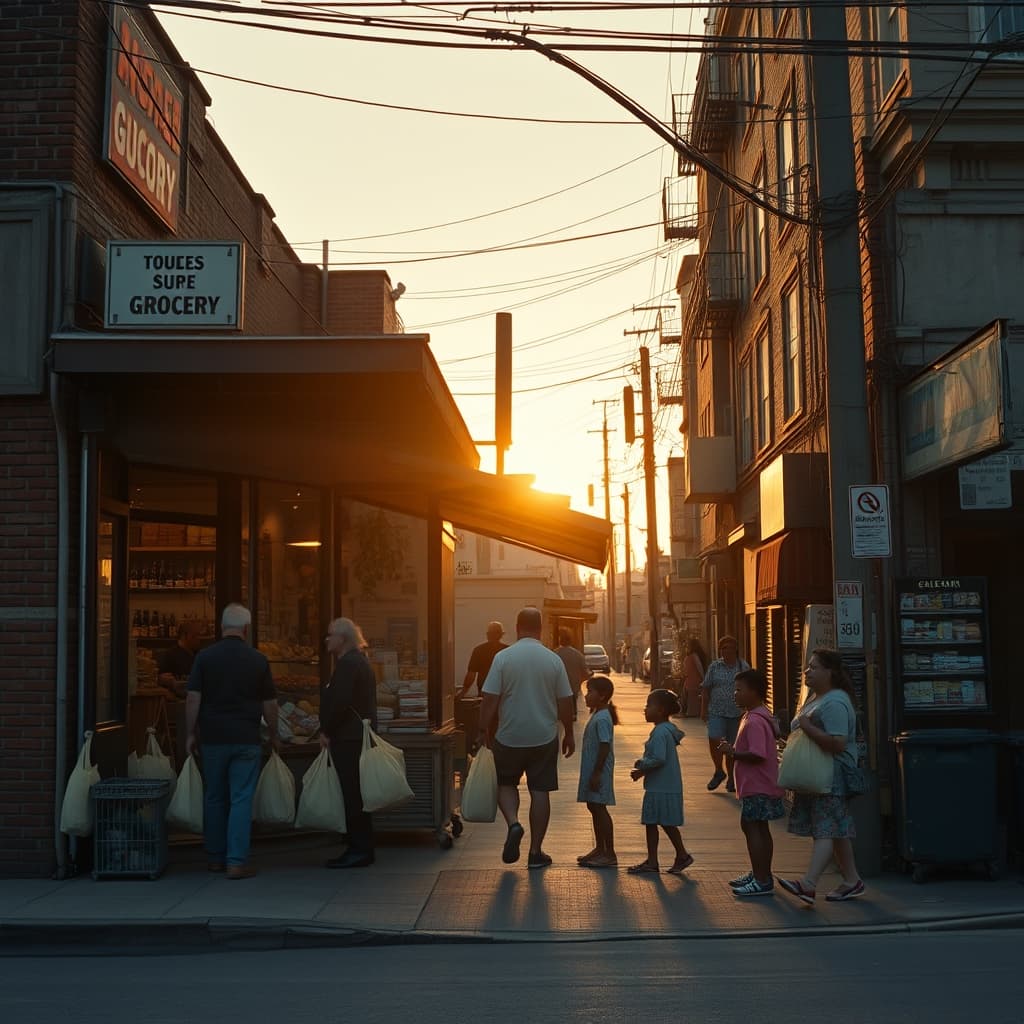
On a summer evening, the corner grocery often became busiest after the strongest heat had passed. A household discovered that bread, yoghurt, ice, fruit, matches, or a drink was missing, and someone made the short walk. Children welcomed the errand because it offered a coin, a choice, and a few extra minutes outside. Adults used the same visit to exchange a greeting or ask a practical question without arranging a formal call.
The shop’s small size concentrated different parts of neighborhood life. Shelves, sacks, crates, a cold cabinet, scales, and the counter created a narrow working landscape. Customers waited close enough to hear one another, while the grocer reached for familiar products and remembered usual quantities. Warmth came from repetition, not from unlimited leisure: the shopkeeper was working through every conversation.
The Errand Taught a Local Economy
A child learned to repeat the list, protect change, compare package sizes, and return promptly. If money was short, a household might use informal credit recorded in a notebook. Such systems rested on trust but were not automatically comfortable. Debt could create anxiety, disputes, or unwanted visibility. Accurate records and discretion were as important as familiarity.
Prices and availability changed with delivery schedules, season, refrigeration, and the shop’s limited storage. The grocer judged how much bread or perishable food to order, balancing empty shelves against waste. A desired item might sell out, prompting substitution or a longer walk. The image of an always-provisioned shop is a later simplification.
Cold Air and Open Doors Shaped the Evening
Refrigerated cabinets offered relief and products associated with summer, but they also added electricity costs, heat, noise, and maintenance. An open doorway allowed conversation and ventilation while admitting dust and insects. Food handling, cold chains, clean scoops, and protected displays mattered. Longstanding custom should not be mistaken for adequate hygiene.
People lingered at different lengths. A quick purchase could become a discussion of a repair, illness, visitor, match, or municipal problem. News travelled, and so did gossip. The grocer’s position at the counter provided unusual knowledge about household routines. Trust required not turning purchases or debts into public commentary.
The Walk Home Completed the Scene
A cold bottle gathered moisture, bread warmed the paper, and coins sounded in a child’s hand. The route was short enough for neighbors to notice and long enough for small encounters. At home, the item disappeared into dinner or the evening balcony, leaving the errand itself as the memory.
To document the corner grocery, record its layout, suppliers, refrigeration, credit practices, working hours, staff, customer routes, and changes after supermarkets or delivery services arrived. Interview shop workers as well as customers. The scene felt warm because commerce, recognition, and practical need met repeatedly in one accessible place. It was never free of labor, risk, or unequal means, and acknowledging those realities makes the remembered summer evening more credible rather than less affectionate. Bottle deposits, delivery crates, paper bags, and handwritten price changes can reveal the shop’s material economy better than a reconstructed decorative counter.