🇹🇷 Türkçe | Taş Fırın Simidinin Evi Saran Kokusu: Sofraya Gelmeden Başlayan Ortak İştah
Sabahın erken saatlerinde sokaktan geçen simitçinin sesi mahalleyi uyandırırken, taş fırından yeni çıkmış susam kokusu kapı aralıklarından içeri sızardı. Ekmek sepetine bırakılan simit henüz sofraya gelmeden mutfağın havasını değiştirir, evdeki herkesin iştahını aynı anda harekete geçirirdi. Bu yüzden taş fırın simidi yalnız bir kahvaltılık değil, günün başlangıcını ortak bir duyuyla kuran güçlü bir işaretti: koku.
Damak hafızasında kokunun yeri her zaman belirleyicidir. Tat, çoğu zaman ağızda kalır; koku ise evi dolaşır, odaları birbirine bağlar, hatırayı mekâna sabitler. Taş fırın simidinde bu etki daha da güçlüydü. Odun ateşinin verdiği hafif is tadı, kabuğun çıtırlığı, susamın kavrulurken açığa çıkan yağlı aroması birlikte tek bir imza koku yaratırdı. O koku duyulduğunda kimse “kahvaltı hazır mı?” diye sormaz, sofranın toplanacağı zaten anlaşılırdı.
Eski şehir yaşamında simit, ekonomik ve erişilebilir bir paylaşım yiyeceğiydi. Okula giden çocuğun eline verilir, işe yetişen yetişkinin çantasına konur, komşu kapısı çalındığında çayın yanına bölünürdü. Ancak taş fırın simidini özel yapan sadece pratikliği değildi. Fırından eve uzanan kısa yol boyunca sıcaklığını koruması, eve girdiği anda havayı değiştirmesi ve herkesi aynı masaya çağırmasıydı. Bir yiyeceğin toplumsal etkisi, bazen besin değerinden çok ortak ritim kurma gücünden gelirdi.
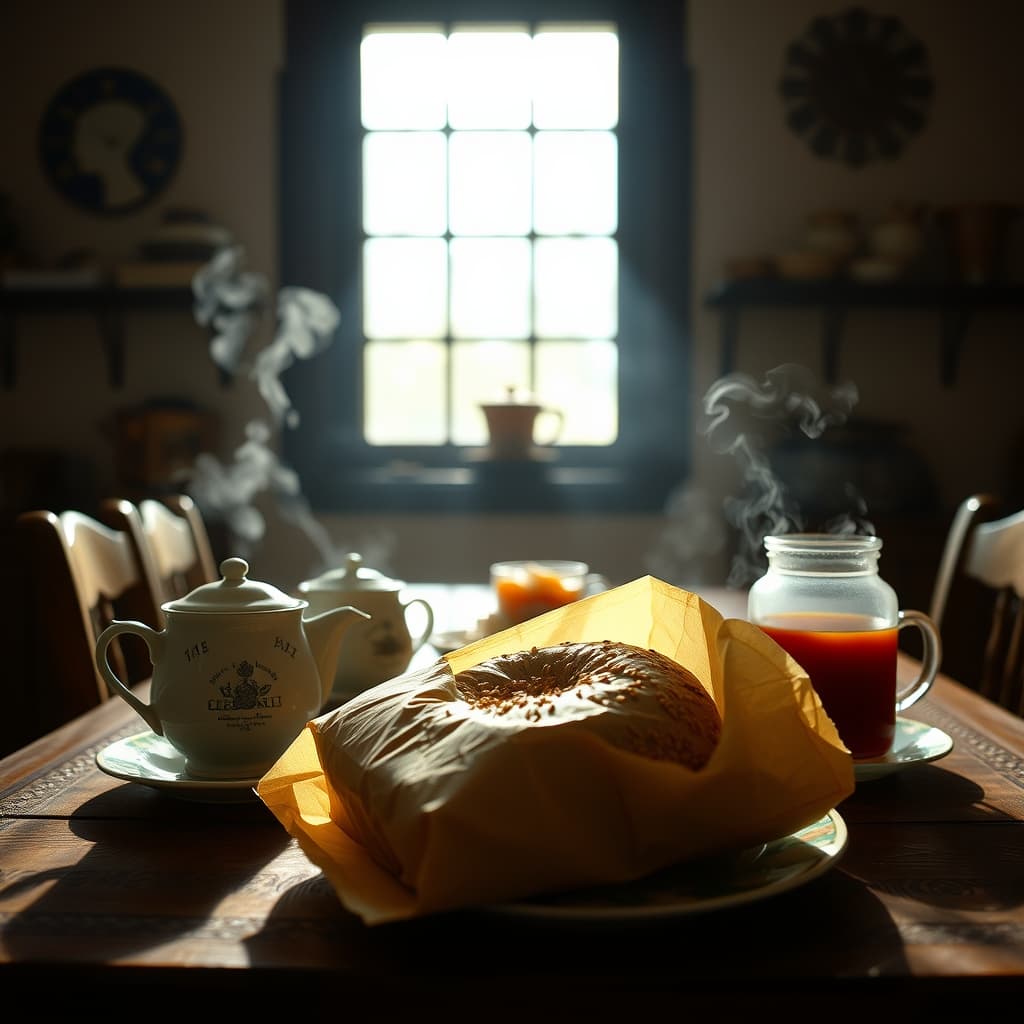
Simitin eve gelişi çoğu zaman küçük bir törenle yaşanırdı. Kâğıt torba dikkatle açılır, ilk simit genellikle ortadan kırılarak paylaştırılır, çocuklara “susamı dökmeden ye” uyarısı yapılırdı. Peynir, zeytin, domates gibi basit eşlikçilerle kurulan bu sofra, gösterişsiz ama doyurucu bir birliktelik sunardı. Simidin kırılma sesi, çayın buharı ve kısa sabah sohbetleri birlikte ev içi hafızanın kalıcı parçalarına dönüşürdü.
Mahalle ölçeğinde bakıldığında taş fırın simidi bir esnaf-ekmek ilişkisi de kuruyordu. Herkes hangi fırının simidinin daha çıtır olduğunu bilir, bazı aileler aynı fırından yıllarca şaşmazdı. Fırıncıyla kurulan bu süreklilik, yerel ekonomiyi olduğu kadar kültürel tadı da korurdu. Modern üretimde standardizasyon arttıkça bu mikro farklar azalsa da hafızada “bizim fırının simidi” cümlesi hâlâ güçlüdür. Çünkü lezzet yalnız reçeteden değil, ustanın elinden ve mahallenin ikliminden de doğar.
Bugün her saatte her çeşide ulaşmak mümkün. Paketli ürünler, hızlı teslimat ve çeşit bolluğu hayatı kolaylaştırıyor. Yine de taş fırın simidinin evi bir anda saran kokusuna duyulan özlem sürüyor. Bu özlem, yalnız geçmişe romantik bakış değil; gündelik yaşamda ortak duyusal anların azalışına verilen bir tepki. Aynı kokuyu aynı anda duymak, aynı sofrada buluşmak kadar birleştirici başka kaç deneyim kaldı?
Taş fırın simidi sofraya geldiğinde evin aynı kokuyla dolmasının nedeni tam da buydu: yiyecek, koku, emek ve paylaşım aynı anda devreye giriyordu. O an, mutfakla salon arasındaki mesafeyi kapatıyor; bireysel telaşları kısa süreliğine ortak ritme çeviriyordu. Damak hafızasının en güçlü kayıtları çoğu zaman bu tür sade anlarda oluşur. Bir simit kokusu yıllar sonra bile çocukluğu, mahalleyi, aileyi ve sabah ışığını tek bir nefeste geri getirebilir.
🇬🇧 English | Why Stone-Oven Simit Filled the Entire House Before Reaching the Table
In early morning, as the simit seller’s call moved through the street, the smell of freshly baked stone-oven simit slipped through half-open doors. Even before it reached the table, the aroma changed the mood of the kitchen and awakened everyone’s appetite at once. That is why simit was more than a breakfast item. It was a sensory signal that organized the start of the day through one shared experience: smell.
In flavor memory, aroma is often stronger than taste. Taste stays on the tongue; smell travels through rooms, links spaces, and anchors memory to place. With stone-oven simit, this effect intensified. Light wood-fire notes, crisp crust, and roasted sesame oils combined into a signature scent. Once that smell appeared, nobody asked whether breakfast was ready. The house already knew gathering time had begun.
In old city life, simit was an affordable and accessible food of sharing. It was placed in a child’s hand on the way to school, tucked into an adult’s bag before work, and split beside tea when a neighbor knocked. What made stone-oven simit special, however, was not only practicality. It was the way it kept warmth on the short route from oven to home, altered household air instantly, and called everyone to one table. Sometimes the social impact of food comes less from nutrition and more from its power to create rhythm.
Its arrival at home often felt ceremonial. The paper bag was opened carefully, the first simit broken at the center and shared, children reminded not to spill sesame seeds. With simple companions like cheese, olives, and tomatoes, the table became modest yet deeply satisfying. The crack of crust, steam of tea, and short morning conversations became lasting fragments of domestic memory.
At neighborhood scale, stone-oven simit also reflected a relationship between local craft and daily bread culture. Everyone knew which bakery made the crispest ring, and many families stayed loyal to one oven for years. This continuity preserved local economy and local flavor at the same time. As modern production standardized textures and taste, these micro-differences faded, yet the phrase “our bakery’s simit” remains strong in memory. Flavor comes not only from recipe, but from the baker’s hand and the neighborhood climate.
Today, variety is available at any hour through packaging, delivery, and large retail systems. Convenience improved significantly. Still, longing for the scent that once filled the house in seconds remains. That longing is not only romantic nostalgia; it is a response to the decline of shared sensory moments in daily life. How many experiences still bring everyone to the same table through the same smell at the same time?
That is why stone-oven simit could fill an entire home before reaching the table: food, aroma, labor, and sharing activated together. In that moment, distance between kitchen and living room disappeared and private rush briefly turned into common rhythm. The strongest records of flavor memory are often formed in such simple scenes. One breath of simit aroma can still return childhood, neighborhood, family, and morning light in a single instant.
🇧🇷 Português (Brasil) | Por Que o Simit de Forno de Pedra Enchia a Casa de Aroma Antes de Chegar à Mesa
Nas primeiras horas da manhã, enquanto o chamado do vendedor de simit passava pela rua, o cheiro do simit recém-saído do forno de pedra entrava pelas portas entreabertas. Antes mesmo de chegar à mesa, esse aroma mudava o clima da cozinha e despertava o apetite de todos ao mesmo tempo. Por isso o simit não era apenas item de café da manhã. Era um sinal sensorial que organizava o início do dia por uma experiência comum: o cheiro.
Na memória do paladar, o aroma costuma ser mais poderoso que o gosto. O gosto fica na boca; o cheiro circula pela casa, conecta ambientes e fixa lembranças no espaço. No simit de forno de pedra, esse efeito era ainda mais intenso. A nota leve de fogo a lenha, a casca crocante e o óleo liberado pelo gergelim tostado criavam uma assinatura olfativa única. Quando esse cheiro surgia, ninguém precisava perguntar se o café estava pronto.
Na vida urbana antiga, o simit era comida de partilha, barata e acessível. Ia na mão da criança que saía para a escola, no saco de quem corria para o trabalho, e era dividido com chá quando o vizinho batia à porta. O que tornava o simit de forno de pedra especial não era só praticidade, mas seu efeito social: manter o calor no caminho curto da padaria à casa, mudar o ar do ambiente e chamar todos para a mesma mesa. O impacto de um alimento, às vezes, vem da capacidade de criar ritmo coletivo.
A chegada do simit em casa tinha algo de ritual. O saco de papel era aberto com cuidado, o primeiro simit era quebrado ao meio para compartilhar, e as crianças ouviam “não derruba gergelim”. Com acompanhamentos simples como queijo, azeitona e tomate, formava-se uma mesa sem luxo, porém muito acolhedora. O som da casca quebrando, o vapor do chá e as conversas curtas da manhã viravam partes permanentes da memória doméstica.
No plano do bairro, o simit de forno de pedra também fortalecia a relação com o comércio local. Todos sabiam qual padaria fazia o simit mais crocante, e muitas famílias mantinham fidelidade por anos. Essa continuidade sustentava economia local e identidade de sabor. Com a padronização da produção moderna, parte dessas diferenças diminuiu, mas a frase “o simit da nossa padaria” continua viva. Sabor não nasce só de receita; nasce também da mão do padeiro e do clima do bairro.
Hoje há variedade a qualquer hora com embalados, aplicativos e entrega rápida. A praticidade aumentou muito. Mesmo assim, a saudade do aroma que tomava a casa inteira permanece. Essa saudade não é só romantização do passado; é resposta à redução de momentos sensoriais compartilhados no cotidiano. Quantas experiências ainda reúnem todos pela mesma sensação, no mesmo instante?
É por isso que o simit de forno de pedra parecia perfumar a casa toda antes de chegar à mesa: comida, cheiro, trabalho e partilha aconteciam juntos. Nesse instante, a distância entre cozinha e sala desaparecia, e a correria individual virava ritmo comum. As memórias de paladar mais fortes nascem justamente de cenas simples assim. Um único cheiro de simit ainda consegue trazer de volta, num fôlego, infância, bairro, família e luz da manhã.