🇹🇷 Türkçe | Fırından Yayılan Sessiz Aile Dili
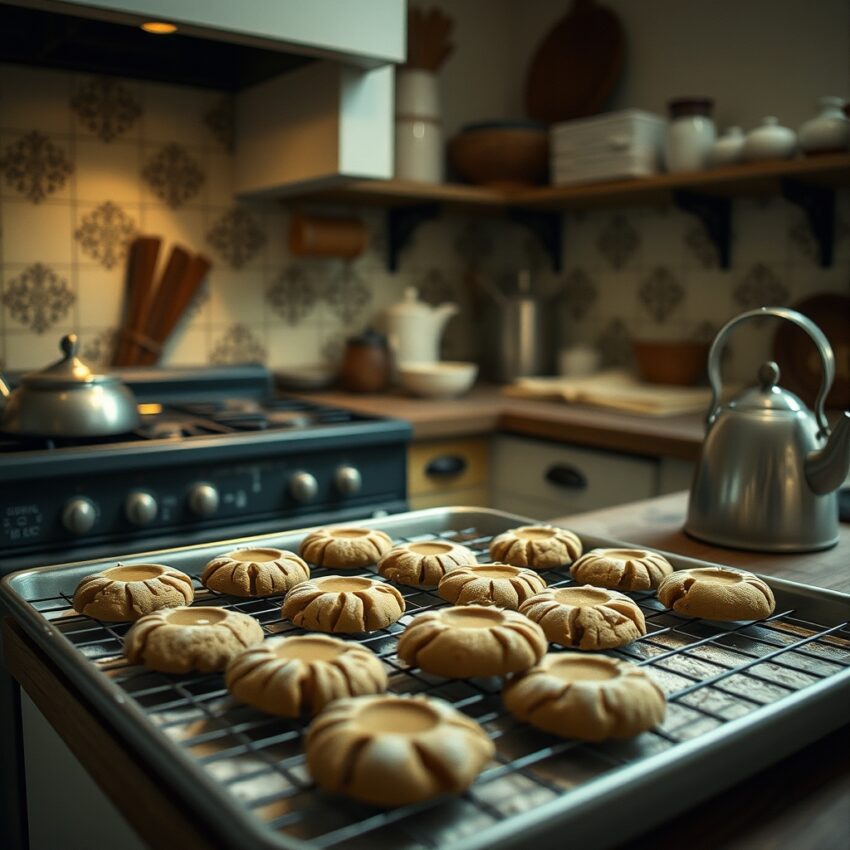
Bir zamanlar bir evin mutfağını tanımak için büyük tarif defterlerine bakmaya gerek olmazdı; fırından çıkan bir tepsi kurabiye çoğu şeyi tek başına anlatırdı. Anneanne kurabiyesi denilen o tanıdık tat, daha tezgâha un serilirken evin karakterini belli etmeye başlardı. Margarin ya da tereyağına karışan vanilya kokusu, elenmiş unun hafif tozu, yumurtanın çatlayışı, şekeri ölçmeden avuçla ayarlayan deneyim, hepsi aynı mutfak bilgisinin parçalarıydı. Hamur açılırken bir kenarda çay suyu da kaynar, kurabiyeler pişerken evin odalarına yayılan koku, mutfağın yalnız yemek yapılan değil, aile dilinin kurulduğu bir yer olduğunu hissettirirdi. Anneanne kurabiyesi bu yüzden basit bir atıştırmalık değil; eski mutfak kültürünün gündelik ve sevgi dolu özeti gibiydi.
Damak Hafızası açısından bu kurabiye, ev mutfağının karakterini gösteren en berrak örneklerden biridir. Çünkü onda gösteriş değil el alışkanlığı konuşur. Şekiller her tepside tam aynı çıkmayabilir, kenarlar biraz fazla kızarabilir, kimi kurabiye daha kalın, kimi daha gevrek olabilir; ama tam da bu küçük farklar ev yapımının ruhunu taşır. Hazır ürün mantığıyla değil, evde kimin neyi sevdiği bilgisiyle hazırlanır. Bir torun daha az şeker sever, diğeri üstüne pudra ister, bir başkası içine portakal kabuğu rendesi sevdiği için hamura azıcık eklenir. Tarif burada sabit kurallardan çok, ailenin damak haritasına göre şekillenen canlı bir gelenektir. Ev mutfağının karakteri de biraz böyle anlaşılır: ölçü kadar sezgi, reçete kadar hafıza vardır.
Eski mutfak kültürünü yaşatmasının önemli bir nedeni, bu kurabiyenin hazırlık ve paylaşım biçimidir. Hamur yoğrulurken çocuklara küçük parçalar verilir, tepsiye dizme işi birlikte yapılır, pişmesini beklerken mutfakta sohbet uzar. Kurabiye çoğu zaman yalnız ev halkı için değil, komşuya götürmek, misafir gelirse ikram etmek, bayram öncesi kavanozu doldurmak ya da okuldan dönen çocuğun çantasının yanına koymak için yapılır. Yani tarif tek başına değil, dolaşıma girerek yaşar. Bir teneke kutunun içinde günlerce tazeliğini koruyan bu tat, evin misafir anlayışını, saklama düzenini ve cömertliğini de taşır. Kurabiyenin kırıntısı bile bir evin işleyişinden izler verir.
Anneanne kurabiyesi aynı zamanda yavaş emeğin değerini görünür kılar. Hamurun dinlenmesi, kalıpların çıkarılması, fırının başında ilk kızarma kokusunun beklenmesi, mutfakta geçirilen vaktin aceleye değil ritme bağlı olduğunu gösterir. Bu ritim, endüstriyel mutfakların hızından farklıdır; ölçülü, tekrar eden ve elde öğrenilen bir ritimdir. Eski mutfak kültürü burada yalnız malzemede değil, zaman kullanımında yaşar. Kurabiye yapılırken konuşulan aile hikâyeleri, “bizim zamanımızda” diye başlayan cümleler, eksik malzemeye rağmen sürdürülen pratikler, tarifin kendisi kadar önemlidir. Çünkü kültür yalnız tatta değil, o tadı üretirken kurulan ilişkilerde de korunur.
Bugün anneanne kurabiyesine duyulan ilginin sürmesi de biraz bu yüzden. İnsanlar o tadı yalnız lezzet olarak değil, evi tanımlayan bir sıcaklık olarak hatırlıyor. Ev mutfağının karakteri, her şeyi kusursuz yapmasında değil; insanı karşılayan bir kokusu, paylaşmaya hazır bir kavanozu ve elde öğrenilmiş bir dili olmasındadır. Anneanne kurabiyesi eski mutfak kültürünü tam da bu nedenle yaşatıyor. Her lokmada biraz sabır, biraz el emeği, biraz da aile içinde sözsüz dolaşan şefkat taşınıyor. Fırından yayılan koku, evin görünmeyen anayasası gibi işliyor: burada hâlâ bekleniyor, hazırlanıyor, paylaşılıyor.
🇬🇧 English | The Quiet Family Language Rising from the Oven
There was a time when one did not need to consult thick recipe notebooks to understand a home kitchen. A tray of cookies coming out of the oven could tell almost everything on its own. The familiar taste called grandmother’s cookies began revealing the character of the house as soon as flour was scattered across the counter. The scent of vanilla blending into butter or margarine, the light dust of sifted flour, the crack of an egg, the experience that measured sugar by the hand rather than by strict tools, all belonged to the same kitchen knowledge. While the dough was rolled, water for tea would boil at the side, and as the cookies baked, the smell spreading into every room made it clear that the kitchen was not only a place where food was made, but where a family’s language was formed. That is why grandmother’s cookies were not merely a simple snack. They were a daily and affectionate summary of old kitchen culture.
From the perspective of taste memory, these cookies are one of the clearest examples of how the character of a home kitchen reveals itself. They speak not through display, but through the habits of the hand. The shapes may not come out exactly the same on every tray, the edges may brown a little more than planned, one cookie may be thicker and another more crisp, yet these very differences carry the spirit of home baking. They are prepared not according to the logic of standardized products, but according to knowledge of who in the family likes what. One grandchild prefers less sugar, another wants powdered sugar on top, and for someone else a little orange zest is added to the dough. The recipe becomes less a fixed rule and more a living tradition shaped by the family’s map of taste. The character of the home kitchen is understood there: alongside measurement, there is intuition; alongside the recipe, there is memory.
One major reason these cookies keep old kitchen culture alive lies in the way they are prepared and shared. While the dough is kneaded, children are given small pieces to handle; arranging the tray becomes a task done together; and while everyone waits for the baking, conversation lengthens in the kitchen. The cookies are often made not only for the household itself, but also to take to a neighbor, to offer when guests arrive, to fill a tin before a holiday, or to place beside a schoolbag after a child returns home. The recipe therefore lives by circulating rather than by remaining still. Kept fresh for days in a metal tin, the cookies also carry the house’s understanding of hospitality, storage, and generosity. Even their crumbs reveal something about the way a home functions.
Grandmother’s cookies also make visible the value of slow labor. Letting the dough rest, taking out the molds, waiting for the first browning scent beside the oven, all show that time in the kitchen once depended not on haste, but on rhythm. This rhythm differs from the speed of industrial kitchens. It is measured, repeated, and learned by hand. Old kitchen culture survives here not only in ingredients, but in the use of time. The family stories told while the cookies are made, the sentences beginning with “in our day,” the practical adjustments made despite missing ingredients, all matter as much as the recipe itself. Culture survives not only in flavor, but also in the relationships formed while that flavor is made.
That is also why grandmother’s cookies continue to attract interest today. People remember them not merely as a taste, but as a warmth that defined the house itself. The character of a home kitchen lies not in doing everything perfectly, but in having a scent that welcomes, a jar always ready to share, and a language learned by hand. Grandmother’s cookies keep old kitchen culture alive for exactly that reason. Every bite carries a little patience, a little labor, and a little of the tenderness that circulates wordlessly within a family. The smell rising from the oven works almost like the unwritten constitution of the home: here things are still awaited, prepared, and shared.
🇧🇷 Português (Brasil) | A Linguagem Silenciosa da Família que Saía do Forno
Houve um tempo em que não era preciso consultar cadernos grossos de receitas para entender a cozinha de uma casa. Uma assadeira de biscoitos saindo do forno já dizia quase tudo sozinha. O sabor familiar chamado biscoito da avó começava a revelar o caráter do lar assim que a farinha era espalhada sobre a bancada. O cheiro de baunilha se misturando à manteiga ou à margarina, a poeira leve da farinha peneirada, o som do ovo se abrindo, a experiência de medir o açúcar mais pela mão do que por instrumentos rígidos, tudo isso fazia parte do mesmo saber de cozinha. Enquanto a massa era aberta, a água do chá fervia ao lado, e, conforme os biscoitos assavam, o perfume que tomava os cômodos mostrava que a cozinha não era apenas o lugar da comida, mas o lugar onde se formava a linguagem da família. É por isso que os biscoitos da avó não eram apenas um lanche simples. Eram um resumo cotidiano e afetuoso da antiga cultura da cozinha.
Do ponto de vista da memória gustativa, esses biscoitos são um dos exemplos mais claros de como o caráter da cozinha doméstica se revela. Eles não falam pela ostentação, mas pelo costume da mão. Os formatos nem sempre saem iguais em todas as assadeiras, as bordas podem dourar um pouco mais, um biscoito fica mais alto, outro mais crocante, e são exatamente essas pequenas diferenças que carregam o espírito do feito em casa. Eles não são preparados segundo a lógica padronizada dos produtos prontos, mas segundo o conhecimento de quem, na família, gosta de quê. Um neto prefere menos açúcar, outro quer açúcar de confeiteiro por cima, e para alguém se acrescenta um pouco de raspas de laranja à massa. A receita se torna menos uma regra fixa e mais uma tradição viva, moldada pelo mapa de gostos da família. O caráter da cozinha da casa aparece justamente aí: junto da medida, existe a intuição; junto da receita, existe a memória.
Uma razão importante para esses biscoitos manterem viva a antiga cultura da cozinha está no modo como são preparados e partilhados. Enquanto a massa é sovada, as crianças recebem pedacinhos para brincar; arrumar a assadeira vira tarefa coletiva; e, enquanto se espera o forno, a conversa se alonga na cozinha. Muitas vezes os biscoitos não são feitos apenas para quem mora na casa, mas para levar ao vizinho, oferecer a uma visita, encher a lata antes de uma festa ou colocar ao lado da mochila escolar quando uma criança volta para casa. Assim, a receita permanece viva porque circula. Guardados por dias em uma lata de metal, esses biscoitos também carregam o jeito da casa de acolher, guardar e dividir. Até as migalhas contam algo sobre o funcionamento de um lar.
Os biscoitos da avó também tornam visível o valor do trabalho lento. Deixar a massa descansar, tirar as forminhas, esperar ao lado do forno o primeiro cheiro de dourado, tudo mostra que o tempo da cozinha dependia menos da pressa e mais do ritmo. Esse ritmo é diferente da velocidade das cozinhas industriais. É um ritmo medido, repetido e aprendido com as mãos. A antiga cultura da cozinha sobrevive aqui não apenas nos ingredientes, mas também no uso do tempo. As histórias da família contadas enquanto os biscoitos são feitos, as frases que começam com “no nosso tempo”, os ajustes improvisados diante da falta de algum ingrediente, tudo isso importa tanto quanto a própria receita. A cultura permanece não só no sabor, mas também nas relações criadas enquanto esse sabor é produzido.
É por isso que o interesse pelos biscoitos da avó continua hoje. As pessoas não se lembram deles apenas como gosto, mas como um calor que definia a própria casa. O caráter da cozinha doméstica não está em fazer tudo de forma perfeita, mas em ter um cheiro que acolhe, um pote pronto para partilhar e uma linguagem aprendida com as mãos. Os biscoitos da avó mantêm viva a antiga cultura da cozinha exatamente por isso. Em cada pedaço há um pouco de paciência, um pouco de trabalho e um pouco da ternura que circula sem palavras dentro da família. O aroma que sai do forno funciona quase como a constituição invisível da casa: aqui ainda se espera, se prepara e se divide.