
🇹🇷 Türkçe | Salonda Toplanan Sesler: Transistörlü Radyonun Aile Ritmi
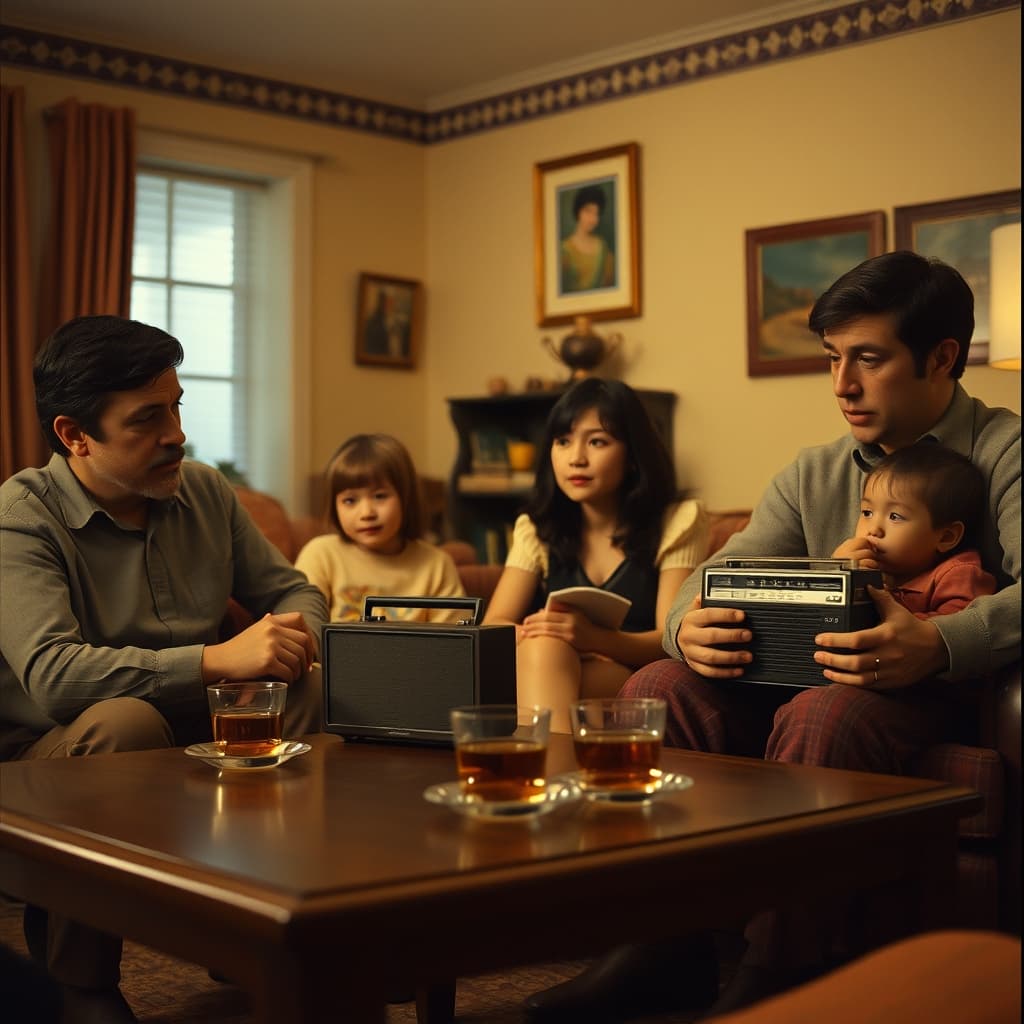
Akşam ezanından sonra salonun ortasındaki küçük sehpanın üstüne konan transistörlü radyo, birçok evde günün ikinci başlangıcı gibiydi. Anten dikkatle uzatılır, düğme çevrilirken çıkan cızırtıdan doğru frekans aranır, bir anda spikerin net sesi odayı doldururdu. Perdeler kapalı, çaylar taze, çocuklar ödevini bitirmiş halde yerini alırdı. Bu, sadece bir cihazı açmak değil, aynı anda aynı hikâyeye bağlanmak demekti.
Transistörlü radyonun unutulmamasının ilk nedeni erişilebilir olmasıydı. Lambalı radyolara göre daha küçük, daha taşınabilir ve daha ekonomikti. Evde salondan mutfağa, yazın balkondan kışın soba yanına kolayca taşınırdı. Bu hareketlilik, radyoyu tek bir köşenin eşyası olmaktan çıkarıp evin yaşayan bir üyesine dönüştürdü. Haber saati geldiğinde herkes susar, tiyatro programında karakter sesleri duyulunca çocuklar gözlerini büyütürdü.
Teknoloji tarihi açısından transistör devrimi, yalnızca mühendislik başarısı değil gündelik hayatın temposunu değiştiren bir eşiği temsil eder. Daha az enerji tüketen, daha dayanıklı ve daha seri üretilen bu cihazlar, bilgiye ve eğlenceye erişimi demokratikleştirdi. Büyük kentte de küçük ilçede de benzer yayınları dinleyen insanlar, aynı şarkılar ve aynı haber başlıkları etrafında ortak bir zaman duygusu geliştirdi. Radyo, bu yönüyle erken bir toplumsal ağ işlevi gördü.
Gündelik sahneler bu alışkanlığın duygusal hafızasını açıkça gösterir. Anne yemek hazırlarken spikerin sesini mutfaktan takip eder, baba koltuğunda gazeteyi yarıda bırakıp spor bültenine kulak kesilir, çocuklar “sessiz olun” uyarısından sonra reklam melodilerini ezbere mırıldanırdı. Komşu kapıyı çalıp “maç başladı mı?” diye sorar, bazen iki aile aynı salonda toplanırdı. Cihaz küçük olsa da etrafında kurulan sosyal alan son derece genişti.
Bu deneyimin unutulmamasında sesin mahrem gücü de etkiliydi. Televizyon görsel bir hakimiyet kurarken, radyo hayal gücüne yer bırakır. Bir tiyatro metnindeki sokak, dinleyenin zihninde kendi mahallesine benzerdi; bir şarkı programı, herkesin kendi anısıyla eşleşirdi. Böylece her yayın hem ortak hem kişisel bir hatıraya dönüşürdü. Transistörlü radyo, tek sesle birçok iç dünyayı aynı anda harekete geçirebildiği için kalıcıdır.
Bugün podcast, müzik platformu ve akıllı hoparlör çağında bile o dönem radyosunun sıcaklığı ayrı anılır. Çünkü mesele teknik kalite değil, dinleme ritüelinin paylaşılmış olmasıdır. Program saatine göre ev düzenlenir, sessizlik birlikte üretilir, yorumlar birlikte yapılırdı. Bu eşzamanlılık, aile içinde görünmez bir bağ dokusu oluşturdu. Modern bireysel dinleme alışkanlıkları çoğaldıkça, o ortak dinleme anları daha da kıymetli görünmeye başladı.
Transistörlü radyo günleri bize teknolojinin yalnızca yenilik getirmediğini, aynı zamanda topluluk biçimi ürettiğini hatırlatır. Salonda toplanan ailelerin sessiz heyecanı, bir cihazın etrafında kurulan kültürel yakınlığın kanıtıdır. Unutulmamasının nedeni tam da budur: o küçük kutu, sesi eve değil, evi birbirine bağlardı.
Bu miras bugün yeniden düşünülmeye değer. Eski radyoların korunması, yayın kayıtlarının arşivlenmesi ve aile anlatılarının yazıya geçirilmesi, teknoloji tarihini soğuk verilerden çıkarıp yaşayan bir kültür hikâyesine dönüştürür. Bir dönemin sesi, ancak onu dinleyenlerin gündelik tanıklığıyla tam anlamını bulur.
🇬🇧 English | Voices Gathered in the Living Room: The Family Rhythm of Transistor Radio
After evening prayer time, the transistor radio placed on a small table in the living room felt like a second beginning of the day in many homes. The antenna was raised carefully, the dial turned through static until the signal settled, and then the announcer’s clear voice filled the room. Curtains were closed, tea was fresh, homework was done, and everyone took a place. This was not only turning on a device; it was tuning into one shared story.
The first reason transistor radio was not forgotten is accessibility. Compared with tube radios, it was smaller, more portable, and more affordable. It could move from living room to kitchen, from balcony in summer to stove corner in winter. That mobility made it more than an object in one fixed corner; it became a living member of the household. During news hours people fell silent, and during radio theater children widened their eyes at each character voice.
In technology history, the transistor revolution marks not only an engineering success but a threshold that changed daily tempo. These devices consumed less power, lasted longer, and could be mass-produced. As a result, access to information and entertainment widened across classes and regions. People in large cities and small towns listened to similar broadcasts, building a shared sense of time around the same songs and headlines. Radio effectively became an early social network.
Daily scenes reveal the emotional memory of this habit. Mothers followed the announcer from the kitchen while cooking, fathers paused newspaper reading to focus on sports bulletins, and children, after being warned to stay quiet, hummed advertisement jingles by heart. Neighbors knocked to ask whether the match had started; sometimes two families listened in one room. The device was small, but the social space around it was remarkably wide.
Sound itself also explains why the memory stayed. Television dominates with images, but radio leaves room for imagination. A street described in a drama could become the listener’s own neighborhood; a song show could attach itself to a private memory. Every broadcast therefore became both collective and personal at once. Transistor radio endured because one voice could activate many inner worlds simultaneously.
Even in the age of podcasts, streaming platforms, and smart speakers, that period’s radio warmth remains distinct. The key was not technical fidelity but shared ritual. Homes adjusted their schedule to program hours, silence was produced together, and commentary happened together. That simultaneity built an invisible texture of family connection. As individualized listening expanded, those collective listening moments became even more precious in hindsight.
Transistor radio days remind us that technology does not only deliver innovation; it also creates forms of community. The quiet excitement of families gathered in the living room proves how cultural closeness can form around a single device. That is why it endures: the small box did not simply bring sound into a house, it tied the house to itself.
🇧🇷 Português (Brasil) | Vozes na Sala: O Ritmo Familiar do Rádio Transistorizado
Depois do início da noite, o rádio transistorizado sobre a mesinha da sala parecia, em muitas casas, um segundo começo do dia. A antena era estendida com cuidado, o botão girava entre chiados até achar a frequência certa, e de repente a voz do locutor enchia o ambiente. Cortinas fechadas, chá fresco, dever de casa concluído, cada um tomava seu lugar. Não era apenas ligar um aparelho; era entrar juntos na mesma narrativa.
A primeira razão para esse hábito não ser esquecido foi a acessibilidade. Em comparação aos rádios valvulados, o transistor era menor, mais portátil e mais barato. Ia da sala para a cozinha, da varanda no verão para perto do fogão no inverno. Essa mobilidade tirou o rádio da condição de objeto estático e o transformou em presença viva da casa. Na hora do noticiário, todos se calavam; no radioteatro, as crianças acompanhavam cada voz com atenção.
Na história da tecnologia, a revolução do transistor representa não só um avanço de engenharia, mas uma mudança concreta no ritmo cotidiano. Com menor consumo de energia, maior durabilidade e produção em escala, o acesso à informação e ao entretenimento se ampliou. Gente da capital e de cidades menores ouvia programas parecidos, criando uma sensação de tempo comum em torno das mesmas músicas e manchetes. O rádio funcionava, assim, como uma rede social antes da internet.
As cenas do dia a dia mostram por que a lembrança permaneceu afetiva. A mãe cozinhava ouvindo o locutor, o pai interrompia a leitura do jornal no boletim esportivo, e as crianças, depois do “silêncio”, cantavam de memória os jingles. O vizinho batia na porta para perguntar se o jogo já tinha começado; às vezes duas famílias ouviam juntas na mesma sala. O aparelho era pequeno, mas o espaço social criado ao redor dele era enorme.
O poder íntimo do som também explica essa permanência. A televisão impõe imagem; o rádio abre espaço para imaginação. A rua citada num drama podia virar a rua do próprio ouvinte, e um programa musical podia se colar a memórias muito pessoais. Cada transmissão se tornava coletiva e individual ao mesmo tempo. O rádio transistorizado ficou porque, com uma voz só, acionava muitas paisagens internas.
Mesmo na era de podcasts, streaming e caixas de som inteligentes, o calor daquele rádio ainda é lembrado de modo especial. A questão não era fidelidade técnica, e sim ritual compartilhado. A rotina doméstica se ajustava ao horário do programa, o silêncio era construído em conjunto, e os comentários também. Essa simultaneidade criou uma textura invisível de vínculo familiar. Quanto mais o consumo de áudio se individualizou, mais valiosos esses momentos coletivos ficaram.
Os dias do transistor lembram que tecnologia não entrega apenas novidade; ela também fabrica formas de convivência. O entusiasmo silencioso das famílias na sala é prova de como um objeto pode organizar proximidade cultural. É por isso que não se apaga: aquela pequena caixa não levava só som para dentro de casa, ela fazia a casa se ouvir por dentro.
