🇹🇷 Türkçe | Zeytinli Çörek Kokusu ve Bahar Sofrası: Ev Mutfağının Karakteri Nasıl Kurulurdu?
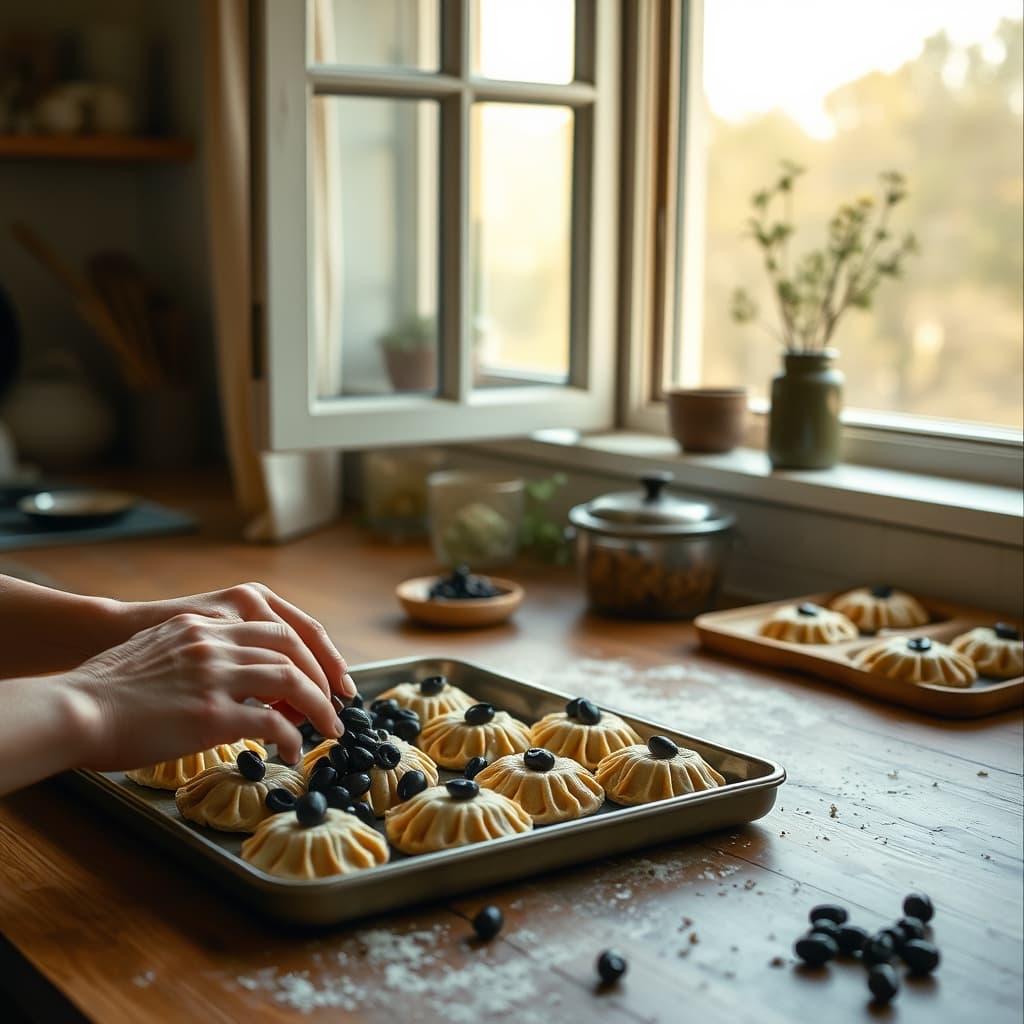
Baharın ilk güneşli günlerinde mutfak pencereleri biraz daha uzun açık kalır, içeri giren hava hamur kokusunu sokağa taşırdı. O kokunun merkezinde çoğu zaman zeytinli çörek olurdu: tezgâhta yoğrulan hamur, elde ufalanan siyah zeytin, ince kıyılmış dereotu, üstüne sürülen yumurta sarısı ve fırından çıkan altın rengi kabuk. Bu sahne yalnızca bir tarifin tekrarı değildi; ev mutfağının karakterini kuran mevsimsel bir ritüeldi.
Türkiye’de pek çok bölgede bahar sofrası, kışın ağır yemeklerinden daha hafif ama daha paylaşımcı bir düzene geçiş anlamına gelirdi. Kahvaltı ile öğle arası uzayan aile buluşmaları, komşuya tabak gönderme alışkanlığı, balkon masasında uzun çaylar bu dönemde belirginleşirdi. Zeytinli çörek hem pratik hem bereketli oluşuyla bu sofranın merkezine yerleşti. Bir tepsiyle çok kişiye ulaşması, saklanıp ertesi güne kalabilmesi ve çayın yanında herkesin eline yakışması onu gündelik hayatın güçlü bir yiyeceği yaptı.
Ev mutfağının karakteri çoğu zaman malzemenin pahasında değil, kullanım zekâsında görünür. Kuru zeytin biraz ılık suda bekletilir, önceki günden kalan peynir az miktarda eklenir, hamura atılan küçük dokunuşlarla her ev kendi imzasını atardı. Kimi çöreği daha ince açar, kimi içine çörekotu serper, kimi üstüne susamla parlak bir yüzey verirdi. Tarif ortak görünse de sonuç daima ev sahibinin el hafızasını taşırdı.
Bu el hafızası kuşaktan kuşağa sözlü olarak geçerdi. “Unu birden dökme”, “hamur kulağı gibi yumuşak olsun”, “fırın kapağını erken açma” gibi cümleler, ölçü kaşığından daha etkili mutfak öğretmenleriydi. Çocuklar mutfakta kenardan izlerken zamanla yoğurma sırasına geçer, sonra bir gün tek başına tepsi hazırlayacak noktaya gelirdi. Böylece tarif değil, evin karakteri aktarılırdı: sabır, ikram, ölçülülük ve paylaşma.
Bahar sofrasının kültürel anlamı yalnız lezzette değil, zamanda saklıydı. Çörek hamurunun mayalanmasını beklemek, çayın demini almak, komşu kapısını çalmak için doğru anı kollamak; bunların hepsi yavaşlayan bir günlük ritim üretiyordu. Bugünün hızlı atıştırmalık kültüründe azalan bu ritim, geçmişte ev hayatının en belirgin temposuydu. Sofra, karın doyurma noktasından çok ilişki kurma alanıydı.
Zeytinli çörek günlerinin bugün yeniden sevilmesinin nedeni de burada. İnsanlar sadece tarif aramıyor; evde aidiyet hissi veren tekrarlar arıyor. Hamuru elde yoğurmak, tepsiyi fırına vermek, pişen çöreği pencere kenarında soğutmak ve ilk dilimi biriyle paylaşmak, gündelik hayatta nadirleşen bir bütünlük duygusu sunuyor.
Damak hafızası bu tür anlarla kalıcı olur. Çünkü tat, tek başına dilde kalmaz; ses, koku, masa düzeni, konuşma tonu ve mevsim ışığıyla birlikte hatırlanır. Zeytinli çörek bu yüzden sıradan bir hamur işi değil, ev mutfağının karakter belgesi gibidir. Her lokma, “bu ev böyle yaşar” cümlesinin yenilebilir hâlidir.
Bahar sofrasına dönen bu eski alışkanlık, bize geçmişten sade bir ders bırakıyor: iyi yemek çoğu zaman gösterişli değil, yerli yerinde olandır. Doğru mevsimde, doğru masada, doğru insanlarla paylaşılan bir çörek; bazen bir ailenin bütün kültürünü anlatmaya yeter.
🇬🇧 English | Olive Pastry Days at the Spring Table: How Home Kitchen Character Was Built
On the first sunny days of spring, kitchen windows stayed open longer, and the smell of dough drifted into the street. At the center of that aroma was often olive pastry: dough kneaded on the counter, black olives crumbled by hand, finely chopped dill, egg wash brushed on top, and a golden crust emerging from the oven. This was not just recipe repetition. It was a seasonal ritual that built the emotional character of the home kitchen.
Across many regions, spring tables marked a shift from winter heaviness toward lighter, more communal meals. Late-morning family gatherings, sending plates to neighbors, and long tea sessions on balconies became more visible in this season. Olive pastry stood at the center because it was practical and generous. One tray fed many people, stayed fresh for the next day, and fit naturally with tea. It became a resilient everyday food with social reach.
Kitchen character is often defined less by expensive ingredients than by intelligent use. Dry olives were softened in warm water, leftover cheese from the previous day was folded in, and each home left a signature through small choices. Some rolled the dough thinner, some added nigella seeds, some finished with sesame for a glossy top. The recipe looked shared, but the result always carried the household’s hand memory.
That hand memory moved across generations through spoken guidance. “Don’t add all the flour at once,” “the dough should feel like an earlobe,” “don’t open the oven too early” were stronger teaching tools than measuring spoons. Children watched from the edge of the kitchen, then gradually kneaded, and eventually prepared full trays alone. What passed on was not only technique, but household values: patience, hospitality, moderation, and sharing.
The cultural meaning of spring table pastry was rooted in timing as much as taste. Waiting for dough to rise, letting tea steep, choosing the right moment to knock on a neighbor’s door created a slower rhythm of daily life. In today’s fast snack culture, this tempo is rarer. Back then, the table was less a feeding station and more a relationship space.
That explains why olive pastry days are returning with new interest. People are not only searching for recipes; they are searching for repeatable acts that build belonging at home. Kneading by hand, placing the tray in the oven, cooling pastry by the window, sharing the first slice with someone else: these gestures restore continuity in fragmented routines.
Taste memory endures through such moments because flavor never lives on the tongue alone. It is remembered with sound, smell, table arrangement, conversational tone, and seasonal light. Olive pastry therefore functions as more than baked dough. It is a document of domestic character, edible evidence of how a household lives.
This old spring-table habit leaves a simple lesson for the present: meaningful food is often not the most elaborate, but the most fitting. In the right season, at the right table, with the right people, one tray of olive pastry can tell the cultural story of an entire family.
🇧🇷 Português (Brasil) | Dias de Pãozinho de Azeitona na Mesa de Primavera: Como se Formava o Caráter da Cozinha de Casa
Nos primeiros dias ensolarados da primavera, a janela da cozinha ficava aberta por mais tempo e o cheiro de massa saía para a rua. No centro desse aroma estava, muitas vezes, o pãozinho de azeitona: massa sovada na bancada, azeitona preta picada à mão, endro bem cortado, gema por cima e crosta dourada saindo do forno. Essa cena era mais do que repetir receita; era ritual de estação que definia a personalidade da cozinha doméstica.
Em muitas regiões, a mesa de primavera marcava passagem dos pratos pesados do inverno para refeições mais leves e compartilhadas. Encontros de fim de manhã, prato enviado ao vizinho, chá demorado na varanda: tudo ganhava força nessa época. O pãozinho de azeitona ocupava o centro por ser prático e generoso. Uma assadeira servia muita gente, podia durar até o dia seguinte e combinava com chá para qualquer idade.
O caráter da cozinha aparece menos no preço dos ingredientes e mais na inteligência de uso. Azeitona seca era hidratada, queijo do dia anterior entrava em pequena quantidade, e cada casa deixava sua marca. Uns abriam a massa mais fina, outros jogavam gergelim ou cominho preto por cima. A base era comum, mas o resultado sempre trazia memória de mão.
Essa memória de mão passava entre gerações por orientação oral. “Não coloque toda a farinha de uma vez”, “a massa precisa ficar macia”, “não abra o forno cedo” ensinavam mais que qualquer tabela. Crianças começavam observando, depois sovavam junto, e um dia faziam a assadeira sozinhas. O que era transmitido não era só técnica, mas valor doméstico: paciência, cuidado, partilha e medida.
O significado cultural da mesa de primavera estava no tempo tanto quanto no sabor. Esperar a massa crescer, respeitar o ponto do chá, escolher a hora de bater na porta do vizinho criava um ritmo mais lento do cotidiano. No presente acelerado, esse compasso ficou raro. Antes, a mesa era lugar de vínculo, não apenas de consumo rápido.
Por isso os dias de pãozinho de azeitona voltam a despertar interesse. As pessoas buscam não só receita, mas repetição que produza pertencimento. Sovar com a mão, levar ao forno, esfriar na janela e dividir o primeiro pedaço com alguém devolve unidade ao dia.
A memória do paladar se fixa nesses detalhes, porque sabor não é isolado. Ele vem junto de cheiro, som, conversa, arranjo da mesa e luz da estação. Assim, o pãozinho de azeitona vira mais que alimento: vira documento do modo de viver da casa.
Esse costume antigo deixa uma lição simples: comida marcante nem sempre é a mais sofisticada, e sim a mais adequada ao contexto. Na estação certa, com a mesa certa e as pessoas certas, uma assadeira conta a história cultural de uma família inteira.