
🇹🇷 Türkçe | Sacın Üzerinde Yükselen Koku: Kalabalık Sofralardan Kalan Gözleme Hafızası
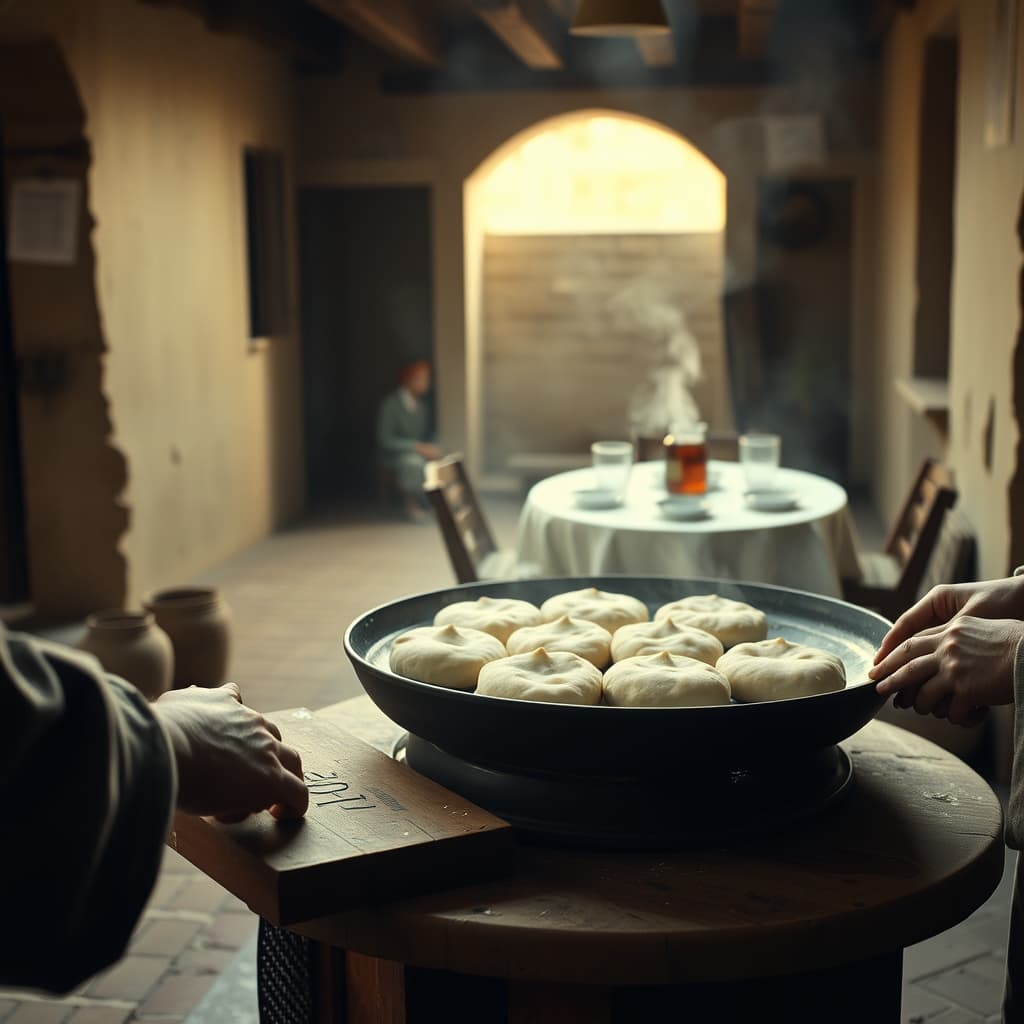
Sabahın erken saatinde avluda kurulan sac ocağı, daha gün tam ısınmadan evin ritmini belirlerdi. Hamur yoğrulurken unun kokusu havaya karışır, ince açılan yufkanın tahtaya sürtünme sesi mutfaktan sokağa kadar duyulurdu. İç harç hazırlanırken biri peyniri ezer, biri maydanozu ince kıyar, biri de çocukların “ilk hangisi çıkacak” sorusuna gülerek cevap verirdi. Sacda pişen gözleme yalnız bir yiyecek değil, aileyi aynı ateşin etrafında toplayan bir zaman düzeniydi.
Damak Hafızası içinde gözlemenin ayrı bir yeri vardır çünkü bu lezzet tek tarifle değil, paylaşım biçimiyle hatırlanır. Aynı hamurdan çıkan her gözleme farklı ele değdiği için hafifçe değişir; birinin kenarı daha çıtır, birinin içi daha bol, birinin tuzu biraz daha cömert olurdu. Bu küçük farklar kusur sayılmaz, sofranın canlılığını artırırdı. Kalabalık aile masasında herkes kendi çocukluk damak izini o çeşitlilik içinde bulurdu.
Gözleme hazırlığı kuşaklar arası bir öğrenme alanıydı. Büyükanneler hamurun kıvamını ele bakarak anlatır, anneler sacın ateşini közden okuyarak ayarlar, çocuklar ise ilk görev olarak bitmiş gözlemeleri peçeteye dizip masaya taşırdı. Bu iş bölümü, mutfakta hiyerarşik bir disiplin değil; birlikte üretmenin neşesini kurardı. “Kenarı iyi kapanmazsa içi dökülür” gibi basit bir uyarı, aslında hayata dair daha geniş bir sabır dersi olurdu.
Kalabalık sofraların unutulmayan tadı yalnız yiyeceğin lezzetinden gelmez; eşzamanlılık duygusundan gelir. Herkesin aynı anda ilk lokmayı alması, birinin ayran doldururken diğerinin sıcak parçayı bölmesi, masada sürekli dolaşan “bir tane daha al” cümlesi bu tadı büyütür. Gözleme, tek başına atıştırılan bir atıştırmalık olmaktan çok ortak zamanın yenebilir hâlidir. Bu yüzden yıllar sonra bile aynı koku duyulduğunda hafızada önce tarif değil, masa görüntüsü canlanır.
Kent yaşamı hızlandıkça yemek hazırlama süreçleri de kısaldı; hazır ürünler arttı, birlikte pişirme zamanları azaldı. Buna rağmen sacda pişen gözlemenin güçlü kalmasının nedeni, nostaljik bir menü maddesi olmasından öte bir aidiyet işareti taşımasıdır. İlk lokmada çocukluğu hatırlatmasının sebebi damak reseptörlerinden çok duygusal çağrışımdır. Koku, ses ve sıcaklık aynı anda geçmiş bir güne kapı açar.
Bu hafızada mekân da önemlidir. Kimi evde avlu, kimi köyde bahçe, kimi apartmanda geniş mutfak; nerede yapılırsa yapılsın gözleme hazırlığı etrafında bir halka kurulur. Sofraya davet çoğu zaman yalnız hane içiyle sınırlı kalmaz; komşuya tabak gönderilir, misafire sıcak parça ayrılır. Böylece lezzet, ev sınırını aşarak mahalle ilişkilerini de besler.
Sonuçta sacda pişen gözleme, kalabalık aile sofralarının hem somut hem duygusal mirasıdır. Tarif değişebilir, iç malzeme farklılaşabilir, ama o ilk lokmada beliren çocukluk duygusu kalır. Çünkü hatırlanan şey yalnız un, peynir ve ateş değil; birlikte beklemek, birlikte pişirmek ve birlikte doymanın insana verdiği güven hissidir. Bu yüzden gözleme bugün de bir yemeğin ötesinde, aile belleğinin sıcak ve paylaşılabilir bir dili olarak yaşamayı sürdürüyor.
🇬🇧 English | Aroma Rising from the Griddle: Why Flatbread from Crowded Family Tables Still Tastes Like Childhood
Early in the morning, the griddle stove set in the courtyard established the day’s rhythm before the sun fully warmed the air. As dough was kneaded, flour scent spread outward, and the sound of thin sheets rolled on wood traveled from kitchen to street. While filling was prepared, one person crumbled cheese, another chopped parsley, and someone laughed at children asking, “Which one comes first?” Griddle-cooked flatbread was never only food. It was a time structure that gathered the family around one fire.
Within culinary memory, this dish is remembered not by recipe alone but by mode of sharing. Even from the same dough, each piece changed slightly according to the hand shaping it: one edge crisper, one filling richer, one seasoning bolder. These variations were not defects; they animated the table. In crowded family meals, everyone could find a personal trace of childhood taste within that diversity.
Preparation created a cross-generational learning space. Grandmothers judged dough texture by touch, mothers read fire intensity from glowing embers, and children received first duties by carrying finished pieces to the table. This division of labor was not strict hierarchy; it was cooperative joy. A simple warning such as “seal the edges well or filling will spill” became a broader lesson in patience.
The unforgettable flavor of crowded tables comes not only from ingredients but from simultaneity. Everyone taking the first bite together, one person pouring ayran while another tears a hot piece, constant offers of “have one more” moving around the table: these gestures magnified taste. Flatbread was less an individual snack than shared time made edible. Years later, when the same aroma appears, memory recalls not the recipe first but the scene of the table.
As city life accelerated, cooking processes shortened, convenience foods increased, and opportunities to prepare meals together declined. Yet the persistence of griddle flatbread comes from more than menu nostalgia. It carries belonging. The first-bite return to childhood is driven less by taste receptors than emotional association. Smell, sound, and warmth open a door to a previous day all at once.
Place also matters in this memory. For some families it was a courtyard, for others a village garden, for others a spacious apartment kitchen. Wherever it happened, a circle formed around preparation. Invitations often extended beyond one household: a plate sent to neighbors, a hot piece reserved for a guest. Flavor crossed domestic boundaries and fed neighborhood ties.
In the end, griddle-cooked flatbread remains both tangible and emotional heritage of crowded family tables. Recipes may shift and fillings may vary, but the childhood feeling in that first bite endures. What survives in memory is not only flour, cheese, and fire, but the confidence born from waiting together, cooking together, and eating together.
🇧🇷 Português (Brasil) | O Aroma que Sobe da Chapa: Por Que o Gözleme das Mesas Cheias Ainda Lembra a Infância na Primeira Mordida
Logo cedo, o fogareiro de chapa montado no quintal já definia o ritmo da casa antes mesmo do sol esquentar o dia. Enquanto a massa era sovada, o cheiro de farinha se espalhava, e o som da folha fina abrindo na madeira saía da cozinha para a rua. No recheio, uma pessoa amassava queijo, outra picava salsa, e alguém ria das crianças perguntando qual sairia primeiro. O gözleme feito na chapa nunca foi apenas comida. Era uma forma de reunir a família em torno do mesmo fogo.
Na memória afetiva da comida, esse sabor se fixa menos pela receita e mais pela forma de partilha. Mesmo com a mesma massa, cada peça saía um pouco diferente conforme a mão que fechava a borda: uma mais crocante, outra mais recheada, outra com tempero mais marcado. Essas diferenças não eram erro, eram vida na mesa. Em refeições cheias, cada pessoa encontrava ali uma marca própria da infância.
O preparo também era escola entre gerações. Avós ensinavam o ponto da massa pelo toque, mães regulavam o calor observando as brasas, crianças recebiam a missão de levar os pedaços prontos até a mesa. Essa divisão não criava rigidez; criava cooperação alegre. Um conselho simples, como “fecha bem a borda para não vazar”, virava lição maior sobre paciência e cuidado.
O gosto inesquecível das mesas grandes não vem só dos ingredientes, mas da simultaneidade. Todos dando a primeira mordida juntos, alguém servindo ayran enquanto outro divide o pedaço quente, o “pega mais um” circulando sem parar: isso amplia a experiência. O gözleme deixa de ser lanche individual e vira tempo compartilhado em forma de comida. Por isso, anos depois, ao sentir o mesmo cheiro, a memória puxa primeiro a cena da mesa, não a lista da receita.
Com a vida urbana mais acelerada, cozinhar junto ficou mais raro, e opções prontas ocuparam espaço. Ainda assim, a força do gözleme na chapa permanece porque ele é mais que nostalgia gastronômica: é sinal de pertencimento. A primeira mordida que lembra a infância vem tanto da emoção quanto do paladar. Cheiro, calor e som acionam a lembrança ao mesmo tempo.
O lugar também conta nessa memória. Em algumas famílias era o quintal, em outras o jardim da casa da avó, em outras uma cozinha ampla de apartamento. Onde quer que fosse, formava-se um círculo ao redor do preparo. E o convite quase nunca ficava só dentro de casa: mandava-se um prato ao vizinho, guardava-se um pedaço quente para visita. O sabor ultrapassava a família e fortalecia laços no bairro.
No fim, o gözleme na chapa permanece como herança concreta e emocional das mesas cheias. Receita e recheio podem mudar, mas a sensação de infância na primeira mordida continua. O que fica não é apenas farinha, queijo e fogo, e sim a segurança de esperar junto, cozinhar junto e comer junto.
