
🇹🇷 Türkçe | Kuşburnu Marmeladıyla Kurulan Sofra Hafızası
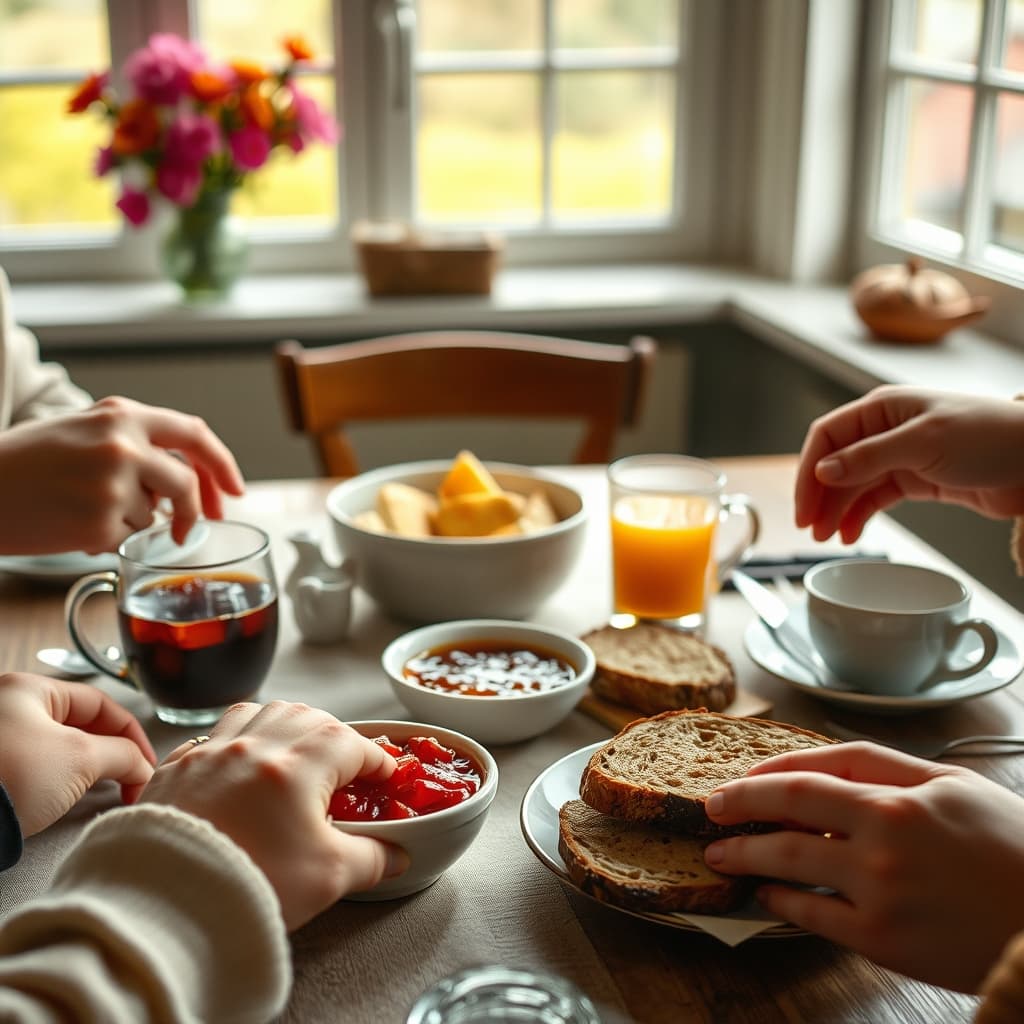
Kuşburnu marmeladının tadı, çoğu evde tek başına bir reçel tadı değildi; kalabalık sofraların sesini ve sabahın yavaş ritmini birlikte taşıyan bir hafıza işaretiydi. Kahvaltı sofrası kurulurken ince belli bardaklar dizilir, ekmek sepeti ortada yerini alır, marmelat küçük bir kâsede kırmızıya çalan koyu tonuyla masanın en dikkat çeken noktasına yerleşirdi. Kaşığın kavanoza değdiği ses, evin uyanmış olduğuna dair sessiz bir ilandı.
Damak hafızasında kuşburnunun özel bir yeri olmasının nedeni, lezzetin emekle ilişkili olmasıdır. Kuşburnu toplamak, ayıklamak, kaynatmak, süzmek ve doğru kıvama getirmek sabır isteyen bir süreçtir. Bu süreç çoğu zaman tek kişinin değil, aile içi yardımlaşmanın ürünüdür. Mutfakta yapılan uzun hazırlık, sofrada birkaç dakikada biten bir tattan daha fazlasını üretir: birlikte yapılan işin kokusunu, bekleyişini ve emeğe saygıyı.
Geçmişte kalabalık aile sofraları yalnızca beslenme noktası değil, günün sosyal merkeziydi. Büyükler sağlık ve mevsim bilgisini burada aktarır, çocuklar hangi yiyeceğin nasıl hazırlandığını dinleyerek öğrenirdi. Kuşburnu marmeladı da bu sözlü kültürün parçasıydı. “Kışa iyi gelir”, “boğazı yumuşatır”, “annelerimiz de böyle yapardı” gibi cümleler, tarifi tıbbi iddia değil kültürel deneyim diliyle nesilden nesile taşırdı.
Unutulan mutfak alışkanlıklarını geri çağırma gücü tam burada başlar. Marmeladın ekmeğe sürülüşü, kaymağın yanına konuluşu, misafire ikram edilirken “bir kaşık daha al” denilişi; hepsi yemekle birlikte ilişki biçimini de hatırlatır. O sofralarda zaman hızlı tüketilmezdi. Çay tazelenir, sohbet uzar, kahvaltı öğlene yaklaşırdı. Lezzet, yalnızca damakta değil konuşma akışında ve oturma süresinde de kendini gösterirdi.
Bugünden bakınca bu ritim zahmetli görünebilir. Hazır ürünlerin hız çağında kavanoz açmak kolay, üretmek zor. Ancak kuşburnu marmeladına dönüp bakmak geçmişi idealize etmek değil, mutfakta kaybolan bazı değerleri fark etmektir: mevsime göre hazırlık, israf etmeme, çok kişilik düşünme ve sabırlı pişirme. Bu alışkanlıklar yalnızca gastronomik değil toplumsal bir bilgi taşır; ev içi iş bölümü, ikram kültürü ve kuşaklararası aktarım bu bilgiyle güçlenir.
Kuşburnunun hafif ekşi, derin tatlı dengesi de bu kültürel hafızayı destekler. Herkes aynı tadı farklı anıyla eşleştirir: biri babaannesinin mutfağını, biri bayram sabahını, biri kış hazırlığındaki kazan buharını hatırlar. Bu yüzden marmelat tek bir tarife indirgenmez; aileden aileye değişen küçük farklarla yaşayan bir gelenek olur. Gelenek tam da böyle sürer: değişerek ama özünü taşıyarak.
Kalabalık sofraların unutulmayan tadı bize şunu hatırlatıyor: mutfak alışkanlıkları sadece ne yediğimizi değil, nasıl birlikte yaşadığımızı da belirler. Kuşburnu marmeladı, kaybolmuş gibi görünen birçok pratiği yeniden görünür kılabilir. Sofrayı biraz daha uzun tutmak, üretimin hikâyesini paylaşmak, mevsimin ritmine dönmek… Bazen bir kaşık marmelat, bir dönemin toplumsal hafızasını yeniden masaya davet etmeye yeter.
Belki de bu yüzden tarif defterlerinin kenarına düşülen küçük notlar bu kadar değerlidir. “Bir taşım daha kaynat”, “kısık ateşte sabret” gibi cümleler yalnızca teknik talimat değildir; mutfakta birlikte geçirilen zamanın duygusal kaydıdır. Kuşburnu marmeladı, o kaydı bugüne taşıyan en güçlü tatlardan biri olmaya devam eder.
🇬🇧 English | Table Memory Built with Rosehip Marmalade
The taste of rosehip marmalade was rarely just a jam flavor. In many homes, it carried the sound of crowded family tables and the slow rhythm of morning together. As breakfast was set, tea glasses lined up, the bread basket took its place, and the marmalade bowl, dark red and dense, became the visual center of the table. The spoon touching the jar sounded like a quiet announcement that the household was fully awake.
Its special place in taste memory comes from the relation between flavor and labor. Gathering rosehips, cleaning them, boiling, straining, and reducing to the right texture requires patience. The process was often not an individual task but a cooperative one within the family. This long kitchen preparation produced more than a taste consumed in minutes at the table; it produced an aroma of shared effort, waiting, and respect for work.
In the past, crowded family breakfasts were not only about nutrition. They were social centers of the day. Elders transmitted seasonal and practical food knowledge, and children learned through listening how ingredients were prepared. Rosehip marmalade belonged to this oral domestic culture. Phrases like “good for winter,” “soothes the throat,” or “our mothers made it this way” moved across generations as lived cultural memory rather than strict technical instruction.
Its power to recall forgotten kitchen habits begins there. The way marmalade was spread on bread, paired with cream, or offered to guests with “have one more spoon,” all remembered not only food but relationship. Time at those tables was not consumed quickly. Tea was refilled, conversation stretched, and breakfast drifted toward noon. Flavor lived in the palate, but also in the pace of dialogue and in the duration of sitting together.
From today’s perspective, this rhythm may appear demanding. In the age of ready products, opening a jar is easy while making one is hard. Yet revisiting rosehip marmalade is not simply romanticizing the past; it is recognizing values that disappeared from kitchens: seasonal preparation, low waste habits, cooking for many, and patient methods. These practices carry social knowledge as much as culinary technique, strengthening household cooperation and intergenerational transfer.
The balanced profile of rosehip, lightly tart yet deeply sweet, reinforces that memory. People attach the same taste to different scenes: a grandmother’s kitchen, a holiday morning, steam from winter preparation pots. That is why marmalade cannot be reduced to one formula. It survives as a living tradition with small family differences. Tradition continues precisely this way: adapting while preserving core meaning.
The unforgettable taste of crowded tables reminds us that kitchen habits shape not only what we eat, but how we live together. Rosehip marmalade can make many seemingly lost practices visible again: keeping the table longer, sharing the story of preparation, returning to seasonal rhythm. Sometimes one spoon is enough to invite an entire social memory back to the table.
🇧🇷 Português (Brasil) | Memória de Mesa Construída com Geleia de Rosa-Mosqueta
O sabor da geleia de rosa-mosqueta, em muitas casas, nunca foi só sabor de doce. Ele carregava o som da mesa cheia e o ritmo lento das manhãs em família. Enquanto o café era posto, os copos de chá eram alinhados, a cesta de pão ia para o centro e a geleia, com seu tom vermelho escuro, ganhava destaque. O toque da colher no pote funcionava como anúncio silencioso de que a casa tinha despertado por completo.
Seu lugar especial na memória gustativa vem da ligação entre sabor e trabalho. Colher a fruta, limpar, cozinhar, peneirar e acertar o ponto exige paciência. Em geral, não era tarefa de uma pessoa só, mas resultado de cooperação doméstica. Essa preparação longa produzia mais do que um gosto consumido em minutos: criava memória de esforço partilhado, tempo de espera e respeito ao trabalho manual.
No passado, mesas familiares cheias não eram apenas espaço de alimentação. Eram centros sociais do dia. Os mais velhos transmitiam saberes de estação e cuidado, e as crianças aprendiam ouvindo como cada alimento era feito. A geleia de rosa-mosqueta participava dessa cultura oral da cozinha. Frases como “faz bem no frio” ou “sua avó fazia assim” circulavam entre gerações como experiência cultural, não como receita rígida.
A força de recuperar hábitos esquecidos começa nesse ponto. A forma de passar a geleia no pão, combinar com creme, oferecer ao visitante com “pega mais uma colher” lembrava não só o alimento, mas o vínculo entre pessoas. Nessas mesas, o tempo não era apressado. O chá era renovado, a conversa se estendia e o café da manhã avançava até perto do almoço. O sabor ficava na boca e também no tempo compartilhado.
Hoje, esse ritmo pode parecer trabalhoso. Na era dos produtos prontos, abrir um pote é simples; produzir é difícil. Mas voltar à geleia não significa idealizar o passado, e sim reconhecer valores que se perderam: preparo sazonal, menos desperdício, cozinhar para muitos e paciência no fogo. Esses hábitos carregam conhecimento social além da técnica culinária, fortalecendo divisão de tarefas e transmissão entre gerações.
O equilíbrio entre acidez leve e doçura profunda reforça essa memória. Cada pessoa liga o mesmo sabor a uma cena diferente: cozinha da avó, manhã de festa, vapor dos tachos no preparo de inverno. Por isso, a geleia não cabe numa fórmula única. Ela segue viva com pequenas variações de família para família. Tradição continua justamente assim: muda em detalhes e preserva essência.
O gosto inesquecível das mesas cheias lembra algo central: hábitos de cozinha definem não só o que comemos, mas como convivemos. A geleia de rosa-mosqueta pode tornar visíveis práticas que pareciam perdidas. Alongar a mesa, contar a história do preparo, voltar ao ritmo das estações. Às vezes, uma colher basta para trazer de volta uma memória social inteira.
