
🇹🇷 Türkçe | İftar Öncesi Sokağın En Tanıdık Kokusu: Ramazan Pidesinin Evi Bir Araya Getiren Hafızası
Ramazan akşamlarında saat iftara yaklaşırken bazı kokular mahalleyi aynı anda harekete geçirirdi. En belirgini, fırından yeni çıkan pidenin sıcak susam ve mayalı hamur kokusuydu. Bu koku yalnız bir dükkândan yükselmez, dar sokaklardan apartman boşluklarına, oradan mutfağa kadar katman katman yayılırdı. Evin kapısı açıldığında içeri giren pide, beraberinde sokak ritmini de getirirdi. Sofra henüz tamamlanmadan herkes bir anlığına aynı duyguda buluşurdu: bekleyişin sonuna yaklaşmanın sevinci.
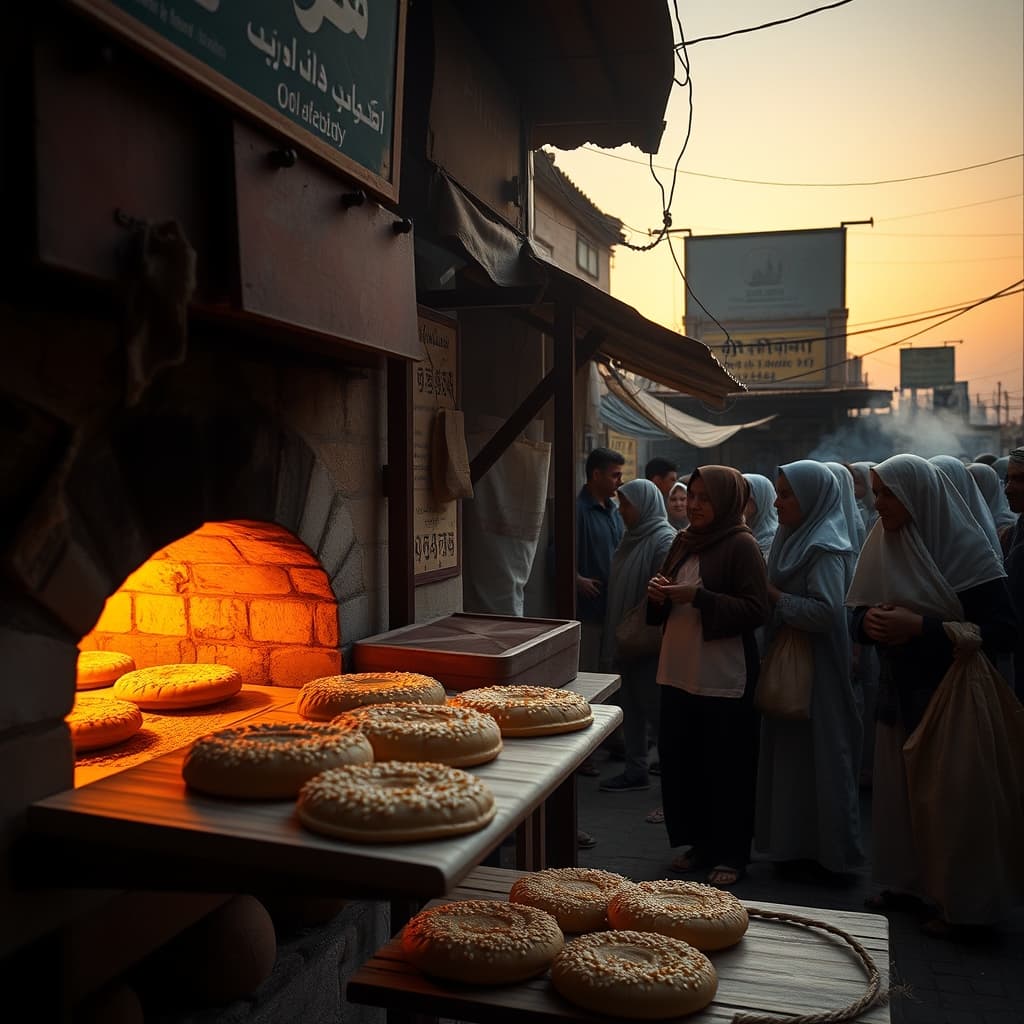
1970’lerden 90’lara kadar birçok şehirde ramazan pidesi, iftar hazırlığının en görünür toplumsal ritüellerinden biriydi. Fırın önünde oluşan kuyruk, yalnız alışveriş sırası değil; günün haberlerinin paylaşıldığı kısa bir mahalle meclisiydi. Kimisi elinde bez torbayla gelir, kimisi sıcak pidenin üstünü kapatmak için temiz bir mutfak bezi getirirdi. Fırıncıların “yenisi birazdan çıkacak” cümlesi, bekleyenlerde sabrı ve iştahı aynı anda artırırdı. Bu süreç, sofraya gelecek ekmeği sıradan bir üründen kültürel bir ana dönüştürürdü.
Pidenin eve gelişi başlı başına bir sahneydi. Çocuklar kapıya koşar, büyükler pidenin kenarını koparmamak için “ezmeyin” diye uyarır, mutfakta çorbanın buharı ve iftariyeliklerin kokusu pidede birleşirdi. Hamurun sıcaklığı elde hissedilirken, susam taneleri masaya düşer, herkesin yüzünde benzer bir iştah ifadesi belirirdi. O an, aile içindeki farklı gündemler kısa süreliğine geri çekilir, tek merkezli bir paylaşım doğardı. Pide, doyurucu bir yiyeceğin ötesinde iftarın duygusal başlangıç işaretiydi.
Damak hafızası burada devreye girer. İnsanlar yıllar geçse de “o pide kokusu”nu başka kokulardan ayırabilir; çünkü koku, belleğin en kalıcı kapılarından biridir. Ramazan pidesi aynı zamanda mahalle ekonomisinin de canlı bir parçasıydı: un tedarikçisi, fırın işçisi, dağıtım yapan çırak, iftara yetişmeye çalışan müşteri aynı döngüde buluşurdu. Bu toplu emek, sofraya gelen tek bir pidenin arkasında görünmeyen bir dayanışma örgüsü kurardı. Dolayısıyla koku, yalnız aromatik değil toplumsal bir anlam da taşırdı.
Bugün birçok şehirde pideye ulaşmak daha hızlı ve konforlu olabilir; sipariş uygulamaları, paket servisler ve zincir üretim süreçleri işimizi kolaylaştırıyor. Yine de geçmişteki o “bütün ev aynı kokuyla doldu” anının yoğunluğu başka bir yerde duruyor. Çünkü mesele sadece tazelik değildi; sokaktan eve taşınan ortak bir ramazan ritmiydi. Pidenin kokusu, mahalleyi ve evi aynı hikâyede buluşturuyordu. Bu yüzden hafızada hâlâ sıcak: bir ekmek türü olarak değil, birlikte beklemenin ve birlikte açılan sofranın kültürel imzası olarak.
Kokuya eşlik eden sesler de bu hafızayı tamamlıyordu: fırın küreğinin taş zemine değmesi, kese kâğıdının hışırtısı, mutfakta tabakların son kez yer değiştirmesi, ezan öncesi kısa bir sessizlik. Pidenin gelişiyle bu sesler tek bir ritme bağlanır, evin her köşesinde aynı hazırlık duygusu hissedilirdi. Bu çok duyulu deneyim, Ramazan akşamını sıradan bir yemek saatinden çıkarıp paylaşım ve hatırlama törenine dönüştürürdü.
Bu ritmin bir başka yönü de iftar saatine dakikalar kala ev içindeki küçük telaştı. Sofraya tabak dizen el, kapıyı dinleyen kulakla aynı anda çalışırdı; “pide geldi mi?” sorusu mutfakta yankılanırdı. Kapı açıldığında içeri dolan sıcak koku, gün boyu tutulan sabrın görünür ödülü gibiydi. O nedenle ramazan pidesi, lezzetten önce paylaşılmış zamanın simgesi olarak anılır.
🇬🇧 English | The Most Familiar Scent Before Iftar: How Ramadan Pide Gathered the Whole House in One Breath
As sunset approached during Ramadan evenings, certain smells activated an entire neighborhood at once. The strongest was the aroma of freshly baked pide: warm sesame, fermented dough, and oven heat. That scent did not stay inside the bakery. It traveled through narrow streets, stairwells, and kitchen doors in layered waves. When someone entered home carrying hot pide, they also brought in the rhythm of the street. Before the table was fully set, everyone shared the same feeling: the relief and excitement of nearing the end of a day of waiting.
From the 1970s to the 1990s, Ramadan pide in many cities was one of the most visible communal rituals of iftar preparation. The line in front of the bakery was not merely transactional. It functioned as a short neighborhood forum where daily updates circulated. Some arrived with cloth bags, others brought clean kitchen towels to keep bread warm. When bakers called out, “Fresh batch in a minute,” patience and appetite rose together. This sequence transformed bread from an ordinary product into a cultural moment.
The arrival of pide at home was a scene in itself. Children ran to the door. Elders warned, “Don’t crush the edges.” In the kitchen, soup steam and appetizer aromas merged with hot dough. Sesame seeds fell on the tablecloth, and the same expression of hunger appeared on every face. For a brief interval, different worries inside the family stepped aside and one shared center emerged. Pide was more than nourishment. It marked the emotional beginning of iftar.
This is where taste memory becomes powerful. Even after decades, people can distinguish “that pide smell” from any other bread scent, because smell is one of memory’s most durable gates. Ramadan pide also represented a living local economy: flour suppliers, oven workers, apprentices carrying trays, and customers rushing to iftar formed one cycle of labor. Behind a single loaf stood a hidden network of coordination and care. Its aroma therefore carried not only flavor, but social meaning.
Today, access is faster through delivery apps, packaged services, and large-scale production. Yet the old moment when “the whole house filled with one smell” holds a different intensity. It was not only freshness; it was a shared Ramadan tempo moving from street to home. Pide connected neighborhood and family inside the same story. That is why the memory remains warm: not simply as a type of bread, but as a cultural signature of waiting together and opening the evening table together.
🇧🇷 Português (Brasil) | O Cheiro Mais Familiar Antes do Iftar: Como o Pão de Ramadã Enchia a Casa Inteira de Memória
Quando o horário do iftar se aproximava nas noites de Ramadã, alguns aromas colocavam o bairro inteiro em movimento. O mais marcante era o cheiro do pão recém-saído do forno: gergelim quente, massa fermentada e calor de lenha. Esse perfume não ficava preso à padaria. Ele atravessava ruas estreitas, subia pelas escadas e entrava na cozinha em camadas. Quando alguém chegava em casa com o pão quente, trazia junto o ritmo da rua. Antes de a mesa estar completa, todos já compartilhavam o mesmo sentimento de espera prestes a terminar.
Dos anos 1970 aos anos 1990, em muitas cidades, o pão de Ramadã foi um dos rituais comunitários mais visíveis da preparação do iftar. A fila da padaria não era apenas compra e venda. Era uma pequena assembleia de bairro onde circulavam notícias do dia. Uns levavam sacola de pano, outros um pano limpo para conservar o calor. Quando o padeiro dizia “a próxima fornada está saindo”, fome e paciência cresciam juntas. Esse processo transformava o pão de item comum em acontecimento cultural.
A chegada do pão em casa também era uma cena. Crianças corriam para a porta, os mais velhos alertavam para não amassar as bordas, e o vapor da sopa se misturava ao aroma da massa. Grãos de gergelim caiam sobre a mesa, e o mesmo brilho de apetite aparecia no rosto de todos. Por alguns minutos, diferenças e preocupações da rotina ficavam em segundo plano. O pão virava centro de partilha. Mais que alimento, ele marcava o início afetivo da refeição de iftar.
É aqui que a memória gustativa ganha força. Mesmo depois de anos, muita gente reconhece “aquele cheiro” imediatamente, porque o olfato é uma das portas mais persistentes da lembrança. O pão de Ramadã também mostrava uma economia local viva: fornecedor de farinha, padeiro, ajudante de forno e cliente correndo contra o horário participavam do mesmo ciclo. Por trás de um único pão havia uma rede invisível de trabalho e cuidado. Por isso, o aroma carregava significado social além do sabor.
Hoje, pedir pão ficou mais rápido com aplicativos e serviços de entrega. Ainda assim, aquele momento em que “a casa inteira ficava com o mesmo cheiro” permanece especial. Não era só frescor; era um ritmo coletivo de Ramadã atravessando rua e lar. O pão unia bairro e família na mesma narrativa. Talvez por isso essa memória siga tão quente: não apenas como gastronomia, mas como assinatura cultural de esperar juntos e abrir a mesa juntos.
