 Eski Pano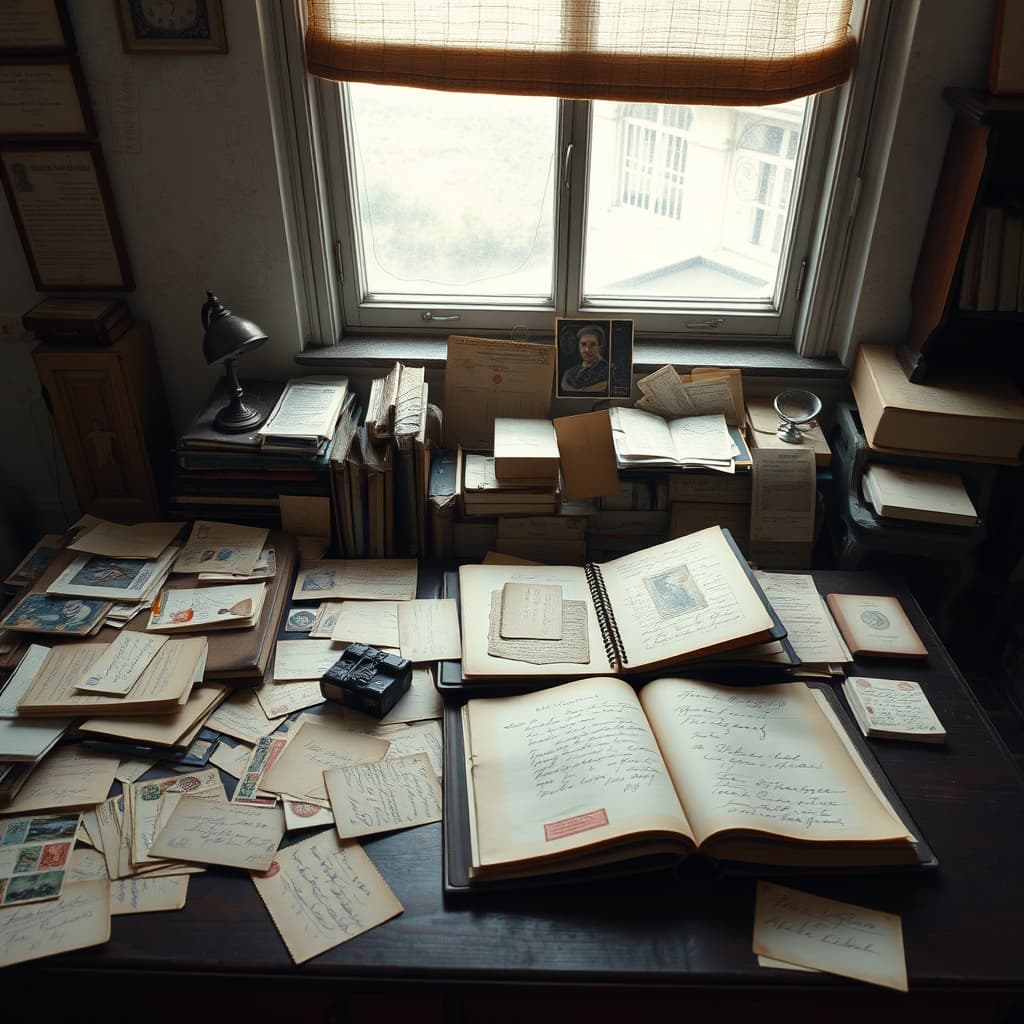
A postcard album could hold a city in fragments. One page showed a square before traffic altered it; another presented a railway station, waterfront, hotel, monument, or newly opened avenue. Collectors arranged these views by place, subject, publisher, or personal association. Turning the pages created a route that no single walk could follow, moving between districts, years, printing styles, and the imagined city offered to visitors.
The picture side attracts first attention, but the reverse often carries stronger evidence. A stamp can suggest postal rate and route. A postmark may provide place and date, though incomplete impressions require caution. Handwriting records language, address, affection, urgency, and the ordinary fact that someone selected this view for another person. Publisher marks, card numbers, captions, paper, and printing processes help identify editions. Image and message should therefore be documented together.
The Printed City Was a Choice
Postcards did not reproduce urban life without bias. Photographers selected viewpoints, publishers chose commercially promising subjects, and retouching could clear skies, strengthen colour, or remove inconvenient details. Busy streets might appear orderly; prestigious buildings received more attention than workshops or peripheral housing. A postcard is evidence of the city and of how the city wished to be seen.
Comparing several cards makes that selection visible. Changes in tram lines, trees, signs, paving, clothing, shoreline, or neighbouring buildings can support research when dates and sources are checked. A caption alone is not sufficient proof. Mislabelled locations, reused negatives, later reprints, and approximate dates are common enough that confident claims need corroboration from maps, directories, newspapers, or archival photographs.
Collectors Added Another History
An album records the collector as well as the cards. Pencil prices, dealer envelopes, exchange notes, page order, and gaps reveal how the collection grew. Some albums came from travel; others were assembled decades later at markets. Removing every card and reorganising it by modern taste can erase provenance. Before changing an inherited album, photograph each page and record its sequence.
Collecting also raises ethical questions. Personal messages may name living families or disclose intimate information. Public display should consider privacy and context. Ownership history matters, especially when cards came from institutional or family archives. A responsible collector distinguishes purchase, gift, inheritance, and uncertain origin rather than allowing value to replace evidence.
Keeping Paper Without Silencing It
Old adhesive, acidic pages, pressure-sensitive tape, damp, and direct sunlight can damage postcards. Clean hands or suitable gloves, stable support, acid-free enclosures, and cool, dry storage are generally safer than household repairs. Stamps and cards should not be separated merely to create two collections. If a card is stuck, brittle, mouldy, or historically important, a paper conservator can recommend treatment.
Digitisation lets distant viewers compare streets and read messages, but files need accurate fronts, backs, dimensions, sequence, and catalogue notes. The album remains valuable as an object that shows touch, order, and collecting practice. When printed view, postal journey, handwriting, and collector history remain connected, postcard albums become more than attractive souvenirs: they operate as compact, imperfect, and unusually human atlases of urban change.