Eski Pano
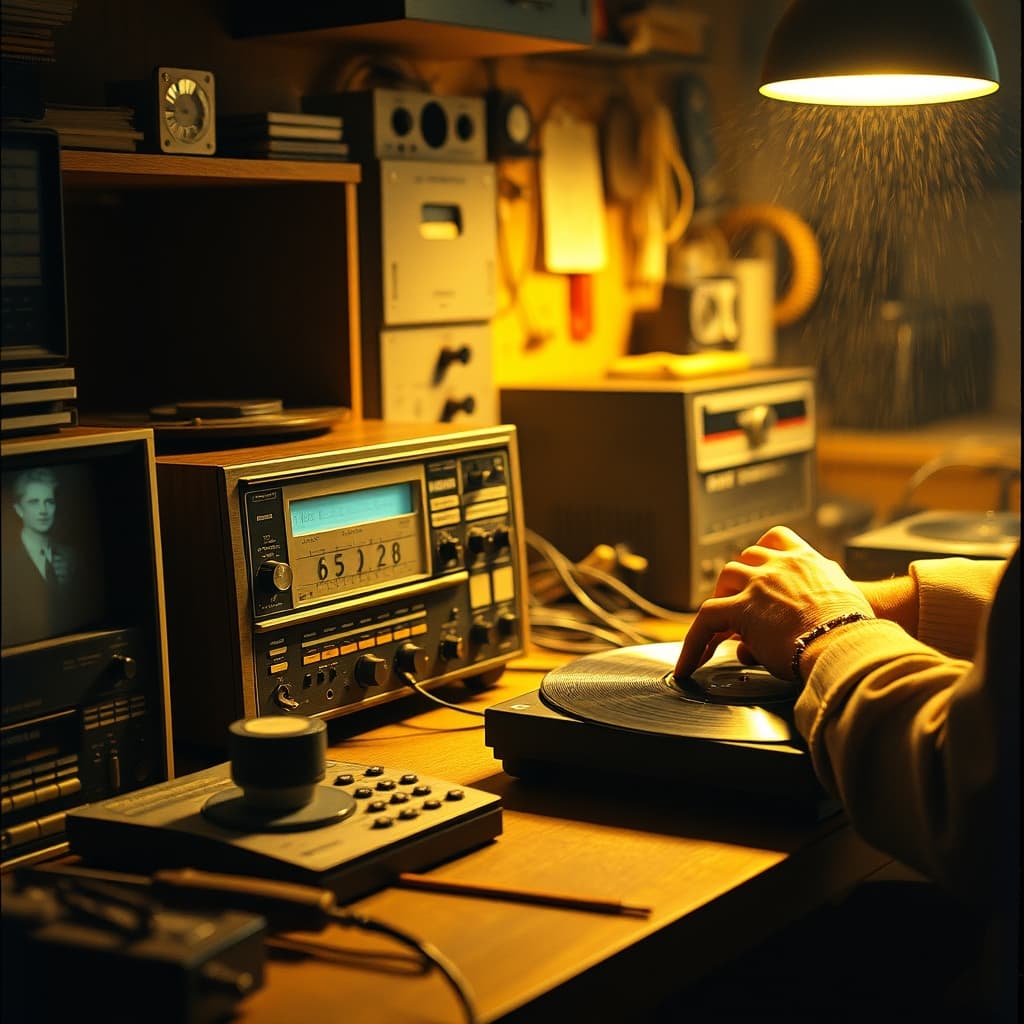
Evenings of an earlier era often began with the hopeful act of turning a metal radio antenna until the signal grew clearer. In living rooms, everyone paused for a brief silence, then someone said, “There, now it’s right.” In the same homes, turntable lids opened regularly, and a small brush moved gently across records to remove dust. At first this looked like a minor ritual of music listening. Over time, however, the record brush entered a wider technical culture, because analog sound quality depended on keeping devices alive through care.
Its real second life emerged on neighborhood repair benches. In years when televisions, radios, cassette decks, and turntables were all fixed in the same shop, repairmen relied on tools that served more than one purpose. The soft bristles of a record-cleaning brush were perfect for clearing dust from narrow device gaps, cleaning around potentiometers, and lifting delicate debris near stylus assemblies. It was less visible than soldering irons and screwdrivers, yet always present at the corner of the table. A household music accessory quietly became a maintenance essential.
Behind that transformation stood an economic and cultural reality: preserve before replacing. When a device failed, the first instinct was repair, not immediate purchase. Repair shops were therefore more than technical service points; they were workshop schools where practical knowledge moved from master to apprentice. “Don’t press hard; touch with the brush, don’t scrape,” a master might say. That sentence taught not only technique but also respect for objects. The record brush embodied this ethic: remove dust without scratching surfaces, protect needles while restoring function, sustain performance through careful handling.
There is an invisible kinship between turning an antenna for clearer reception and extending the life of a brush in a repair shop. Both are based on the belief that with patience and precision, things can improve. Just as finding a stable frequency demanded calm attention, keeping aging devices functional required measured care. For that reason, the record brush is not merely an audio accessory. It symbolizes the repair ethic of the analog age. Its softness recalls that even in harder economic times, gentle practice still had value.
Today digital audio is nearly flawless, yet that perfection often hides the maintenance ritual from view. In the past, clarity needed small manual acts: brushing, checking the stylus, stabilizing a cable, turning a dial with restraint. These actions made people active partners in technology rather than passive consumers. The record brush that found a second life in repairmen’s hands carries the memory of that partnership.
That is why many people returning to vintage devices today are not chasing nostalgia alone. They are also searching for the dignity of care. As an object, the record brush is small; as a cultural sign, it is large. It tells a story of hope, patience, and repair woven together. Like those old signals that sharpened as antennas turned, this story makes an overlooked value audible again in a fast era: understand, touch, and sustain an object before discarding it.
Record Cleaning Brush: Why It Found a Second Life in Repairmen’s Hands Amid the Hope That Sharpened as We Turned the Antenna