Eski Pano
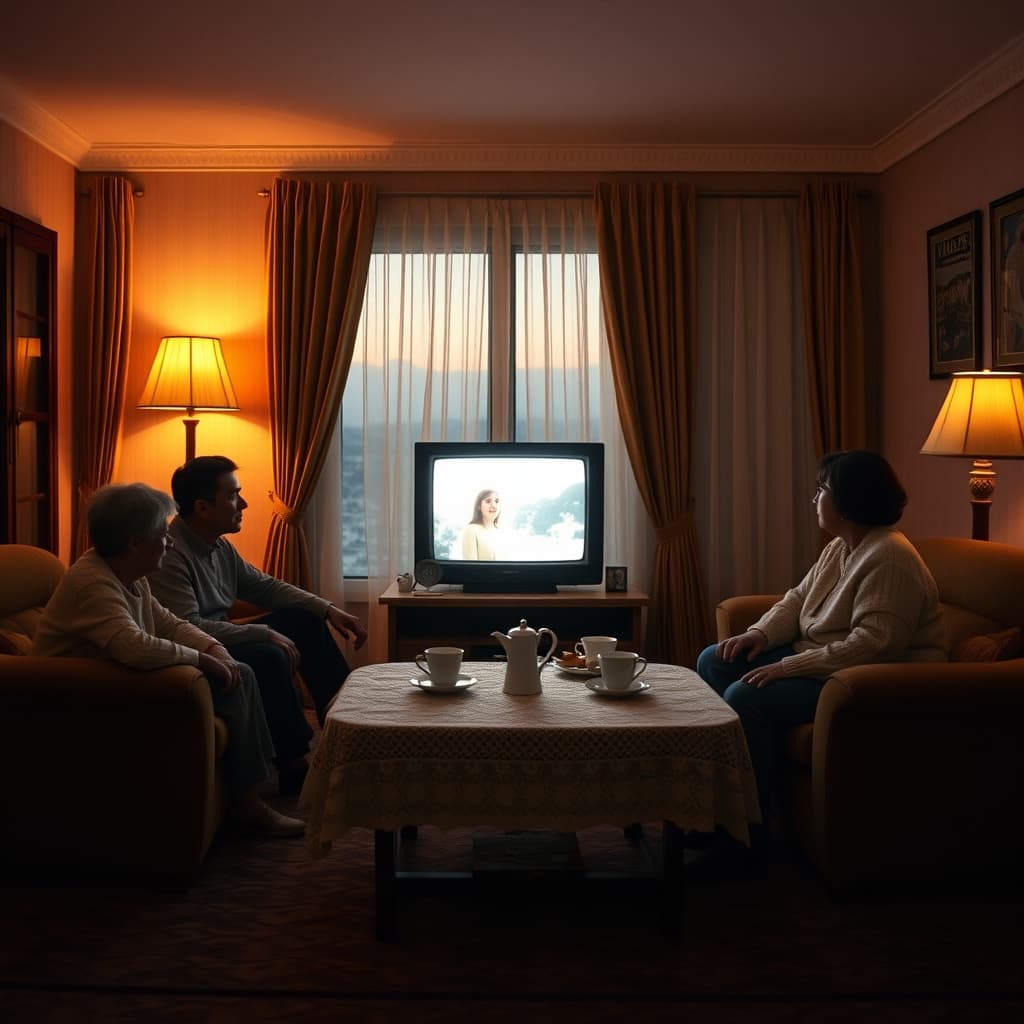
When evening chill slipped through the window, a small preparation began in the brightest corner of the home, right in front of the television. Tea was poured for a second round, children were put into light cardigans, and chairs were angled toward the screen. In those years, television did not offer endless options; most homes had one channel, and that single flow gathered thousands of households into the same hour and the same image. A program schedule was not only part of broadcasting; it became part of family timekeeping.
From the 1970s to the 1990s, night broadcasts quietly set the rhythm of daily life. Finishing homework, clearing the dinner table, even returning from the grocery were often timed around the news or the evening drama. The next morning, at school gates, apartment entrances, and bus stops, conversations began with the same line: “Did you see last night’s scene?” Unlike today’s individualized streaming habits, one-channel viewing created social simultaneity. People interpreted events differently, but they witnessed them together.
This system shaped behavior codes inside homes as well. As a program started, kitchen noise softened; during commercials, people stood up for water; when the closing credits arrived, a brief silence entered the room. Children learned to split time with the rule “homework first, TV later.” Adults used “the news is starting” as a shift into seriousness. These small rituals became a quiet education in timing: waiting, taking turns, and focusing together on one shared moment.
Neighborhood culture absorbed this schedule too. Open windows carried the same opening music across apartment blocks. If one home had the volume higher, neighbors could guess what had begun. During sudden power cuts, children gathered outside asking each other what happened right before the screen went dark. Local newspaper columns and reader letters the next day preserved this collective evening memory in print. Technically, one-channel television was limited; socially, it was expansive.
One lasting habit from those cardigan evenings was shared patience. Missed scenes could not be replayed, episodes could not be started on demand, and reruns might take days or weeks. That waiting culture nurtured an emotion that is rarer now: deferred curiosity. People carried the story through the week, debated endings in neighborhood shops, and built collective anticipation for the next broadcast.
These nights also shaped household arrangement and care. Lace cloth covered the TV stand, family photos stood beside the set, and the remote had a fixed place so it would not disappear. This was more than decoration; it reflected value. Television was not just an object placed in the living room, but a center around which behavior was organized.
Today we can access hundreds of channels and platforms in seconds. Comfort improved, picture quality improved, choice expanded. Yet the ache for one-channel nights comes less from technical scarcity and more from the loss of shared experience. People were not only watching content; they were returning to the same story at the same hour and confirming each other’s presence.
Perhaps that is the quiet legacy those evenings left behind: the habit of building time together. Under light cardigans, we learned rhythm before speed, waiting before instant access, and collective attention before private scrolling. The one-channel era is gone, but its social cadence remains in memory like a window whose light never fully goes out.
One-Channel Television Nights: How Shared Time Habits Were Shaped