 Eski Pano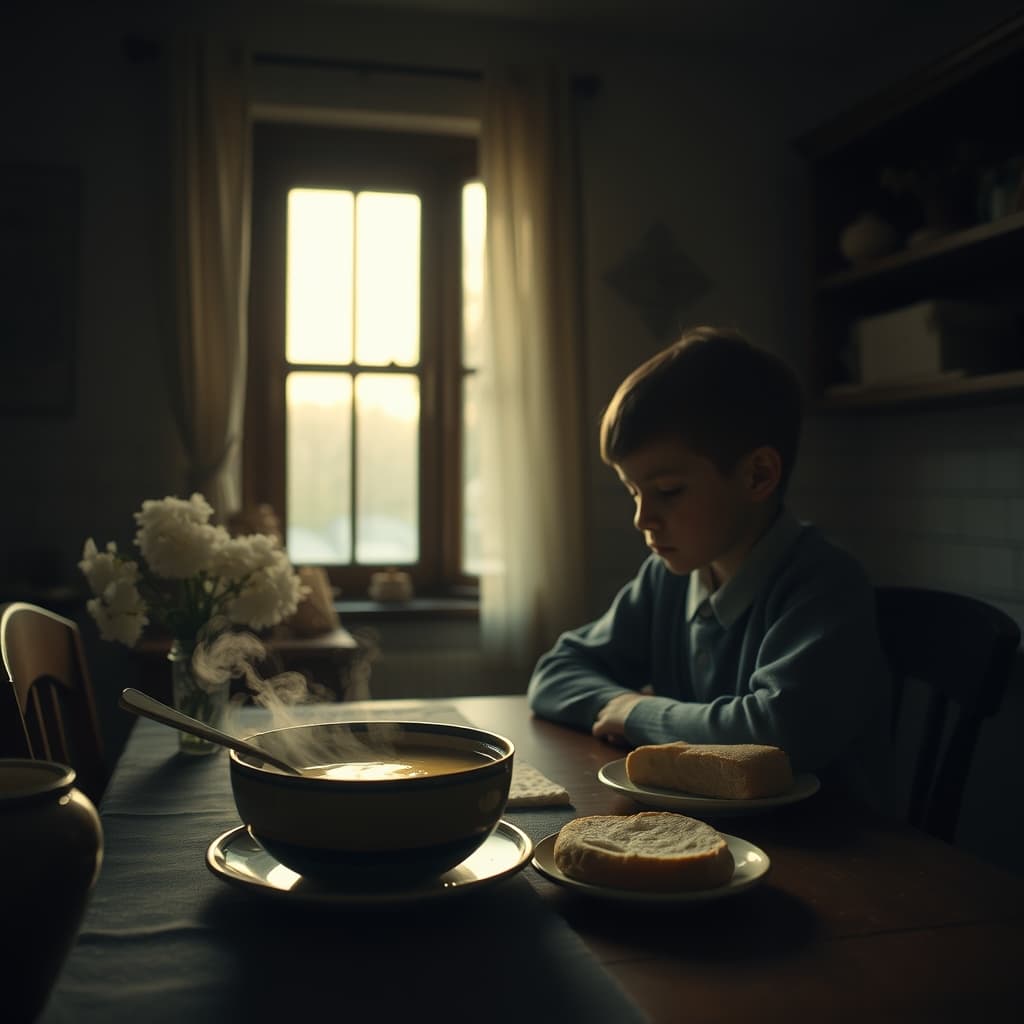
On a cool day between seasons, tarhana soup could make the walk home feel complete. The child entered with cold hands, school smells, and an appetite sharpened by the weather. In the kitchen, a pot turned stored powder or crumbled tarhana into a steaming bowl. The first spoonful connected the immediate need for warmth to work performed months earlier, often during late summer when ingredients were fermented, dried, broken, and stored.
Tarhana describes a family of preparations rather than one recipe. Flour or grain may be combined with yoghurt or other fermented dairy, vegetables, herbs, spices, and regional ingredients in different proportions. Fermentation time, drying method, particle size, colour, acidity, and cooking vary across Turkey and neighbouring food cultures. Some forms are powdery; others are pieces. A household’s preferred version should be documented without treating it as universal.
Summer Work Entered the Winter Pot
Making tarhana required planning, suitable weather, clean surfaces, repeated turning, and protection from moisture and contamination. The mixture changed during fermentation and lost water during drying. Several people might spread, crumble, sift, and collect it. Describing the final soup as quick should not hide the earlier labor that made quick cooking possible.
Knowledge was sensory. Makers watched texture, smell, acidity, surface condition, sun, wind, and nighttime humidity. Recipes written only in cups cannot capture every environmental decision. This does not mean safety should depend on intuition alone. Fermentation and drying need hygienic methods, appropriate acidity and moisture control, and reliable guidance, especially when adapting an inherited practice.
The Bowl Varied Even after the Tarhana Was Made
Some cooks dispersed tarhana in cool water before heating to prevent lumps. Stock, water, milk, butter, oil, tomato, pepper, mint, or other additions changed the soup. Thickness reflected age, preference, and available food. Bread, cheese, or pickles might accompany it. The after-school bowl was therefore one performance of a stored ingredient, not a fixed endpoint.
Serving also carried care and caution. Thick soup retains heat and can burn, especially when given quickly to a hungry child. Clean utensils, thorough reheating, suitable refrigeration of leftovers, and attention to dairy or gluten needs are important. Tarhana should not be presented as a medical cure. It is nutritious according to ingredients and portion, but health claims require evidence.
Recording the Chain, Not Only the Recipe
An archive can document ingredient source, fermentation vessel, duration, drying place, weather, tools, storage container, signs used by the maker, and cooking variations. Samples should not be kept indefinitely as food without appropriate conservation planning. Photographs, interviews, written recipes, and sound from the preparation can preserve knowledge more safely.
Tarhana gains meaning at seasonal transitions because it joins two times: the warmth and labor of preparation with the cool day of eating. Its place in memory comes from this stored foresight, the family-specific sourness, and the dependable bowl after school. Keeping variation, labor, safety, and sensory knowledge together allows the soup to carry old kitchen culture without turning it into a simplified symbol or unsupported remedy. The storage container itself can add useful evidence about quantity, climate, and household planning.