Eski Pano
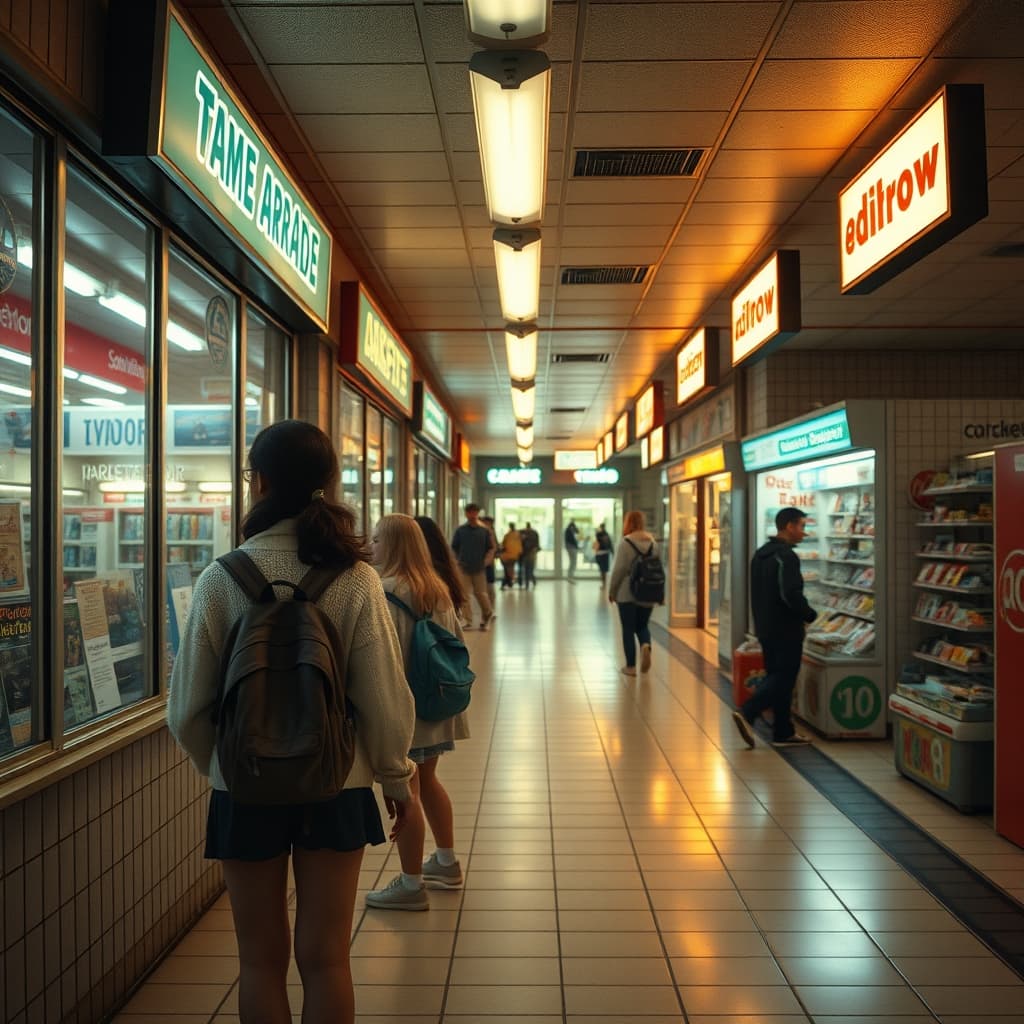
In the years of light cardigans and single-strap school bags, going straight home after class was rarely the default route. When the final bell rang, the real day seemed to begin. Groups of friends drifted slowly toward the neighborhood arcade, where cassette covers filled music-shop windows, colorful pens lined stationery shelves, and faded portrait samples stared from photo studios. Most of us bought little, if anything, yet we spent long minutes looking, listening to shopkeepers greet us, and lingering without urgency. That lingering was never wasted time. It was a way of rehearsing adulthood without rushing into it.
Arcade culture functioned as a small, practical school of city life. We learned patience from local tradespeople and confidence from peer dynamics at the same time. Who could chat most easily with the record seller, who could bargain for a used magazine in the second-hand bookstore, who could turn class gossip into laughter near the simit stand; all of this built the social alphabet of youth. Courtesy learned at home met courage learned on the street. In that sense, after-school lingering was not just a stop between school and home, but a soft education embedded in everyday movement.
Its atmosphere was also deeply sensory: matte reflections of fluorescent lights on display glass, the smell of wet coats mixing with grilled-toast steam on rainy afternoons, footsteps echoing on stone floors. Every corner held a ritual. Entering a shop just to say “we’re only looking,” passing around a friend’s new pen to test it, joking with an empty payphone token, then descending stairs slowly with no urgent destination. Those details planted habits we still carry today, often without noticing.
One of the strongest habits that survived is observational patience. Back then, reading labels carefully, noticing a seller’s tone, understanding a friend’s mood from the way they said a sentence became natural reflexes. In today’s digital speed, those reflexes remain quietly active: watching people in a cafe, recognizing familiar body language in a crowd, choosing objects with story rather than pure convenience. What arcades taught us was that decisions belong not only to outcomes but also to the process of paying attention.
Another legacy is the skill of creating shared time with almost nothing. Nobody planned “activities” in formal terms. Walking the same block twice, standing five more minutes near a tea stall, delaying the route home a little was enough. Youth was built in accessible everyday spaces, not expensive venues. Even now, the most durable parts of friendship often come from those simple patterns: being able to sit in silence together, spending time in small shops, and feeling attached to places without consuming them.
Those cardigan days have passed, and many arcades have been renovated or replaced. Yet the same scene stays alive on memory’s dusty shelves: teenagers leaning toward shop windows and learning that belonging does not always require buying. That is why those years are more than nostalgic snapshots. They are a behavioral archive that still shapes urban life today. Looking carefully, moving without panic, honoring shared time, and preserving the spirit of ordinary places remain among the quiet gifts left by generations who once lingered in arcades after school.
In the Dusty Shelves of Memory, the Years When Lingeri̇ng İn Arcades After School Blended with Youth: Whi̇ch Qui̇et Habits Di̇d Those Li̇ght-Cardigan Days Leave Us Today?