 Eski Pano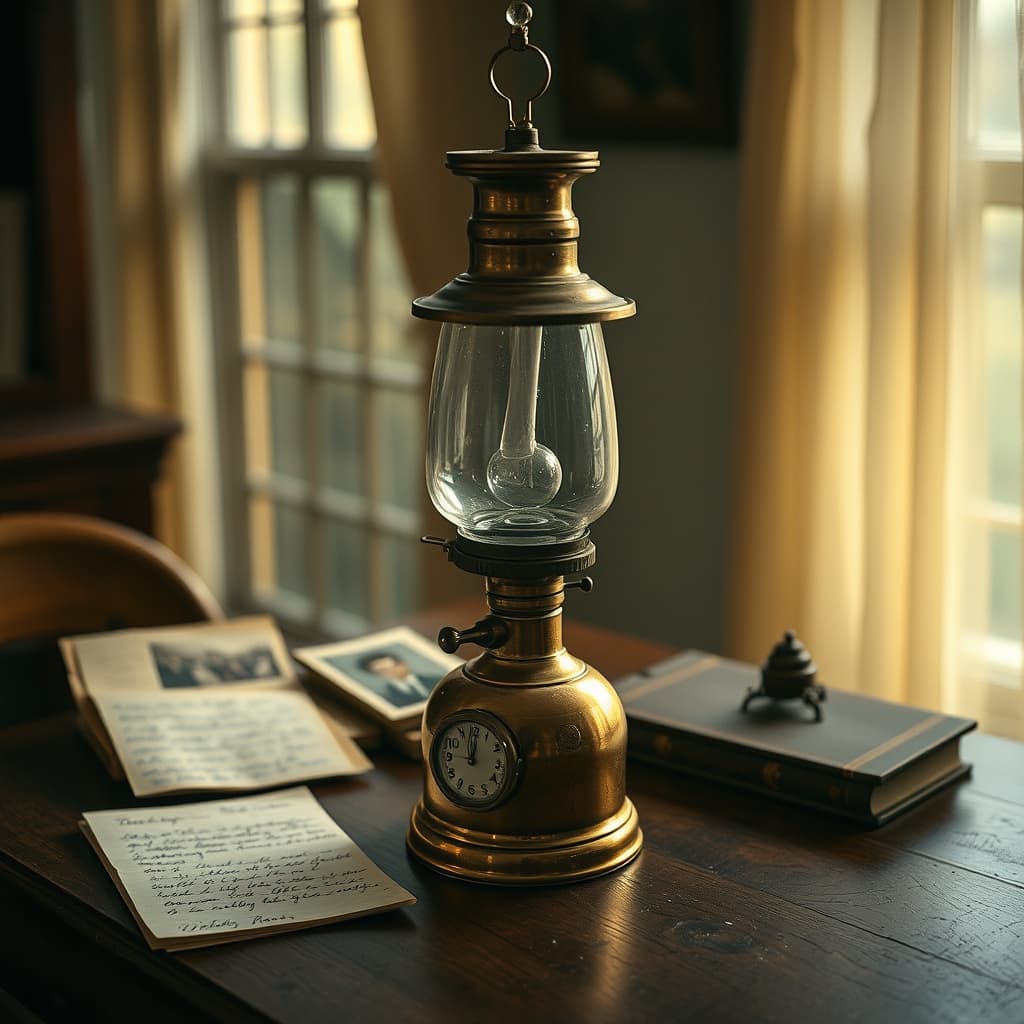
An oil lamp became a family heirloom only after it had first been a working object. Its reservoir held fuel, the burner controlled a wick, and the glass chimney directed airflow while shielding the flame. Each part carried evidence of use: darkening near the top, polish worn from metal, small dents, replaced screws, or a wick adjusted countless times. These marks connect inheritance to maintenance rather than to decoration alone.
Lamps differed greatly in fuel, construction, size, and setting, so one example should not stand for every household or period. Some served as a principal light; others were kept for outages, carried between rooms, or used in work spaces. Access depended on means and local supply. A careful object history begins with the lamp itself—its materials, mechanism, labels if present, and repairs—before attaching broad claims about how a family lived.
Light Required a Sequence of Small Tasks
Using the lamp involved filling the reservoir without spilling, trimming or raising the wick, cleaning soot from the chimney, and placing the object on a stable surface. Too much exposed wick could produce smoke and an unsteady flame. The glass became hot, and moving the lamp carelessly increased danger. These routines made light visible as labour. Someone had to notice fuel level, air, cleanliness, and the presence of children, curtains, or draughts.
Historic practice does not remove present-day risk. Old reservoirs, burners, seals, and glass may be cracked or incompatible with modern fuel. A lamp of uncertain condition should be treated as a display object until assessed by someone with relevant expertise. It should never be left unattended, used near flammable material, or tested merely to create an atmospheric photograph. Conservation and fire safety take priority over proving that an heirloom still works.
Repairs Recorded the People Who Kept It Useful
A replacement chimney, soldered joint, improvised knob, or mismatched burner can appear to reduce originality, yet such changes often document a longer working life. Families repaired practical objects with the parts and skills available. Identifying those interventions requires caution: a repair may be old or recent, domestic or professional. Photographs, receipts, or reliable recollections can add context, but the object should not be given a precise provenance without evidence.
Cleaning also changed when the lamp moved from use to display. Vigorous polishing may remove patina, plating, paint, or traces useful for interpretation. Dry dusting and material-specific conservation advice are safer than household chemicals. Loose components should be photographed in position before removal, and any original paper, packaging, spare wick, or note stored with the lamp deserves its own record.
Inheritance Included Knowledge as Well as Metal and Glass
When the lamp passed to another generation, its story depended on names, places, and circumstances. Who cleaned it, where it stood, whether it was used during outages, and which parts were replaced can turn an anonymous antique into a documented family object. Conflicting memories should be retained as such. A short written history with approximate dates is more honest than a polished legend that fills every gap.
For a Digital Nostalgia Archive, the oil lamp matters because it shows how material and responsibility travelled together. The heirloom is not only the reservoir, burner, wick, and chimney; it is also the accumulated practice of keeping a flame steady and a household safe. Electrification changed its everyday role, but did not erase the evidence held in soot, repairs, and careful storage. Passed from hand to hand, the lamp became a legacy when the family preserved both the fragile object and the knowledge needed to understand why it had been kept.