
Skip to content

Eski Pano

🇹🇷 Geçmişin güzelliğini keşfedin 🇬🇧 Exploring the beauty of the past 🇧🇷 Explorando a beleza do passado

Menu
  • Hakkımızda | About Us | Sobre Nós
  • İletişim | Contact | Contato
Menu

Yaz Serinliği: El Yapımı Dondurmalar ve Meyve Şurupları | Summer Coolness: Handmade Ice Creams and Fruit Syrups | Frescor de Verão: Sorvetes Artesanais e Xaropes de Frutas
Posted on 06/03/202606/03/2026 by admin

🇹🇷 Türkçe | Mahalle Dondurmacısından Gelen Yaz Serinliği: Nostaljik El Yapımı Dondurmalar ve Meyve Şurupları

Mahallenin köşesinden gelen o tanıdık ses… İnce metal bir çıngırağın ritmik tınısı sokak aralarında yankılanır. Çocuklar oyunlarını yarım bırakır, pencereler açılır, kapı önlerinde sohbet edenler başlarını çevirir. Çünkü herkes bilir: Dondurmacı geliyor. Yaz güneşinin kavurduğu bir öğleden sonra, o çıngırağın sesi yalnızca bir satıcının habercisi değil; aynı zamanda serinliğin, paylaşımın ve çocukluğun en tatlı anlarının da müjdecisidir.

Dondurmacı arabasının kapağı açıldığında içinden yayılan hafif süt kokusu, bekleyenlerin sabrını iyice zorlar. İlk kaşığın ağıza değdiği o an… Serinlik dilin üzerinde yavaşça yayılır. Bir yandan tatlı, bir yandan sütlü o yoğun kıvam, yaz sıcağının bütün ağırlığını birkaç saniyede unutturur. İşte nostaljik el yapımı dondurmaların büyüsü tam olarak burada saklıdır.

Eskiden dondurma yapmak başlı başına bir ustalık ve emek işiydi. Bugünün fabrikasyon üretimlerinden çok uzak bir yöntemle hazırlanırdı. Gerçek sahlep, taze keçi sütü ve mevsiminde toplanmış meyveler… Bu üçlü, dondurmanın karakterini belirleyen temel unsurlardı. Sahlep yalnızca aroma vermez, aynı zamanda o meşhur elastik kıvamın da sırrını taşırdı. Keçi sütü ise dondurmaya hem yoğunluk hem de kendine özgü bir koku katardı.

Dondurma karışımı hazırlandıktan sonra işin en zahmetli kısmı başlardı. Büyük metal fıçıların içine yerleştirilen dondurma kapları, etrafı buz ve kalın tuz katmanlarıyla çevrili şekilde hazırlanırdı. Ardından uzun bir kol yardımıyla bu fıçı saatlerce çevrilirdi. Bu işlem yalnızca mekanik bir hareket değil, aynı zamanda sabır gerektiren bir ritüeldi. Dondurmacının elleri yorulsa da o kol dönmeye devam ederdi; çünkü her dönüş, karışımın biraz daha yoğunlaşmasını ve pürüzsüz bir kıvama ulaşmasını sağlardı.

Bu yöntemle yapılan dondurmalar, bugünün hızlı üretim tekniklerinden farklı olarak daha yoğun ve daha karakterli bir tat sunardı. Kaşığa alındığında hemen erimez, ağızda yavaşça çözülürdü. Ve gerçekten de eridiğinde bile süt kokusu hissedilirdi.

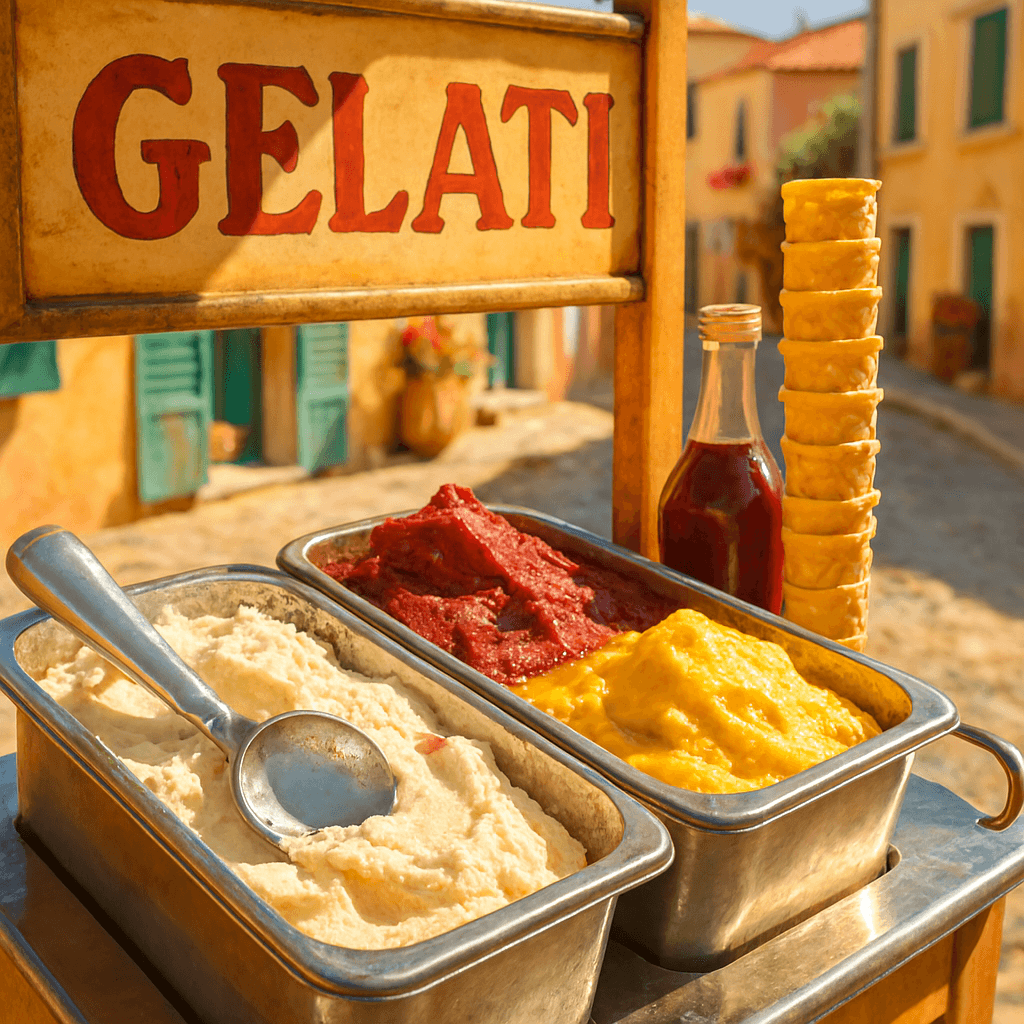
Yaz serinliğinin bir diğer kahramanı ise meyve şuruplarıydı. Vişne, karadut ve limon gibi meyveler büyük kazanlarda kaynatılarak koyu renkli ve yoğun kıvamlı şuruplara dönüştürülürdü. Bu şuruplar bazen dondurmanın üzerine dökülür, bazen de buzla karıştırılarak serinletici bir içeceğe dönüşürdü. Özellikle vişne şurubunun o koyu kırmızı rengi ve hafif ekşi aroması, sıcak yaz günlerinin vazgeçilmez tatlarından biriydi.

Kornetlerin yaygınlaşmasından önce dondurma çoğu zaman küçük metal kaselerde ya da kağıt helvaların arasında servis edilirdi. Kağıt helva, hem pratik hem de estetik bir sunum sağlardı. Dondurmanın yavaşça eriyip helvaya karışması, ortaya ayrı bir lezzet çıkarırdı. Metal kaseler ise mahalle kültürünün bir parçasıydı; yenilen dondurma bittikten sonra kaseler geri verilir, bazen aynı kase birkaç çocuğun arasında paylaşılırdı.

Bugün market raflarında yüzlerce farklı aromaya sahip dondurmalar görmek mümkün. Ancak çoğu zaman bu tatların arkasında yapay aromalar ve katkı maddeleri bulunur. Oysa eski usul el yapımı dondurmalar, yalnızca birkaç doğal malzemeyle hazırlanırdı. Belki seçenekler azdı ama her biri gerçekti.

Belki de bu yüzden o eski dondurmaların tadı hâlâ hafızamızda bu kadar canlıdır. Çünkü onlar sadece bir tatlı değil, aynı zamanda bir dönemin kokusu, sesi ve dokusuydu. Ve en önemlisi, eridiğinde bile süt kokan o gerçek dondurmalar, damaklarımızda silinmesi zor bir hatıra bırakmayı başardı.


🇬🇧 English | Summer Refreshment from the Neighborhood Ice Cream Cart: Nostalgic Handmade Ice Creams and Fruit Syrups

That familiar sound echoes from the corner of the neighborhood… The rhythmic ringing of a small metal bell travels through narrow streets. Children pause their games, windows open, and people chatting at their doorsteps turn their heads. Everyone knows what it means: the ice cream vendor is coming. On a scorching summer afternoon, that bell is not just the sign of a seller arriving—it is the promise of cool relief, shared joy, and some of the sweetest memories of childhood.

When the lid of the ice cream cart opens, a gentle scent of milk spreads into the warm air, making the waiting crowd even more impatient. Then comes that magical moment—the first spoonful touching the tongue. Coolness slowly spreads across the palate. The sweet, milky density melts gently, making the heavy summer heat disappear within seconds. This is where the charm of nostalgic handmade ice creams truly lives.

In the past, making ice cream was both a craft and a labor-intensive process. It was far removed from today’s industrial production methods. Real salep, fresh goat’s milk, and fruits harvested in their proper season formed the foundation of authentic ice cream. Salep was not only responsible for flavor; it also created the famous stretchy texture that traditional ice cream is known for. Goat’s milk added richness and a distinctive aroma that made the flavor deeper and more memorable.

Once the mixture was prepared, the most demanding part of the process began. Ice cream containers were placed inside large metal barrels surrounded by layers of ice and thick salt. Using a long crank handle, the barrel would then be turned by hand for hours. This action was more than a simple mechanical motion—it was a ritual of patience and endurance. Even when the vendor’s arms grew tired, the handle kept turning, because every rotation slowly thickened the mixture and helped it reach that smooth, dense consistency.

Ice creams produced in this way had a much richer character than today’s quick-production varieties. They did not melt instantly when scooped. Instead, they softened slowly in the mouth, releasing layers of flavor. And even when they began to melt, they still carried the unmistakable scent of milk.

Another refreshing hero of summer was fruit syrup. Cherries, black mulberries, and lemons were boiled in large pots until they turned into thick, deeply colored syrups. Sometimes these syrups were poured over ice cream, and sometimes they were mixed with crushed ice to create refreshing drinks. Sour cherry syrup, in particular, was unforgettable with its deep crimson color and slightly tangy taste—one of the most beloved flavors of hot summer days.

Before cones became common, ice cream was often served in small metal bowls or between pieces of wafer-like paper halva. Paper halva provided both practicality and visual charm. As the ice cream slowly melted into it, the wafer softened and created a delightful combination of textures. The metal bowls, meanwhile, were part of neighborhood culture. Once finished, they were returned to the vendor, and sometimes one bowl would even be shared among several children.

Today, supermarket freezers offer hundreds of ice cream flavors. Yet many of them rely heavily on artificial aromas and additives. Traditional handmade ice cream, by contrast, required only a few natural ingredients. The options might have been fewer, but every flavor was authentic.

Perhaps that is why those old ice creams remain so vivid in our memories. They were not merely desserts; they carried the scent, sound, and texture of an entire era. And above all, those real ice creams—still smelling of milk even as they melted—left a mark on our taste memory that time could never truly erase.


🇧🇷 Português (Brasil) | O Frescor do Carrinho de Sorvete da Rua: Sorvetes Artesanais Nostálgicos e Xaropes de Frutas

Há um som familiar vindo da esquina do bairro… O tilintar rítmico de um pequeno sino metálico ecoa pelas ruas estreitas. As crianças interrompem suas brincadeiras, janelas se abrem e quem conversa nas portas de casa vira a cabeça. Todos sabem o que significa: o vendedor de sorvete está chegando. Em uma tarde de verão escaldante, aquele sino não anuncia apenas um vendedor — ele traz a promessa de refresco, de encontros e das lembranças mais doces da infância.

Quando a tampa do carrinho de sorvete se abre, um leve aroma de leite se espalha pelo ar quente, deixando quem espera ainda mais ansioso. Então chega o momento mágico: a primeira colherada tocando a língua. O frescor se espalha lentamente pelo paladar. A textura doce e cremosa se dissolve devagar, fazendo o peso do calor do verão desaparecer em segundos. É exatamente aí que vive o encanto dos sorvetes artesanais nostálgicos.

Antigamente, fazer sorvete era um verdadeiro ofício e exigia muito trabalho manual. O processo estava longe da produção industrial de hoje. Salep verdadeiro, leite fresco de cabra e frutas colhidas na estação certa formavam a base do sorvete autêntico. O salep não servia apenas para dar sabor; ele também criava aquela textura elástica característica dos sorvetes tradicionais. Já o leite de cabra acrescentava densidade e um aroma especial que tornava o sabor mais profundo e marcante.

Depois que a mistura estava pronta, começava a parte mais trabalhosa. Os recipientes de sorvete eram colocados dentro de grandes barris metálicos cercados por camadas de gelo e sal grosso. Com a ajuda de uma longa manivela, o barril era girado manualmente durante horas. Esse movimento não era apenas mecânico — era quase um ritual de paciência. Mesmo quando os braços do vendedor se cansavam, a manivela continuava girando, porque cada volta deixava a mistura mais espessa e mais suave.

Os sorvetes feitos dessa maneira tinham um sabor muito mais intenso do que muitos dos produzidos rapidamente hoje em dia. Eles não derretiam imediatamente quando servidos. Em vez disso, amoleciam lentamente na boca, liberando camadas de sabor. E mesmo quando começavam a derreter, ainda mantinham aquele inconfundível aroma de leite.

Outro protagonista refrescante do verão eram os xaropes de frutas. Cerejas ácidas, amoras e limões eram fervidos em grandes panelas até se transformarem em xaropes densos e de cores profundas. Às vezes esses xaropes eram despejados sobre o sorvete; outras vezes eram misturados com gelo para criar bebidas refrescantes. O xarope de cereja azeda, em especial, era inesquecível com sua cor vermelho intenso e seu sabor levemente ácido — um clássico dos dias quentes de verão.

Antes que as casquinhas se tornassem comuns, o sorvete muitas vezes era servido em pequenas tigelas metálicas ou entre folhas de wafer conhecidas como “papel de halva”. Esse wafer oferecia praticidade e também um charme especial. À medida que o sorvete derretia lentamente sobre ele, criava-se uma deliciosa mistura de texturas. As tigelas metálicas, por sua vez, faziam parte da cultura do bairro: depois de usadas, eram devolvidas ao vendedor e, às vezes, uma mesma tigela era compartilhada entre várias crianças.

Hoje, os freezers dos supermercados oferecem centenas de sabores de sorvete. No entanto, muitos deles dependem de aromas artificiais e aditivos. O sorvete artesanal tradicional, por outro lado, precisava apenas de alguns ingredientes naturais. As opções talvez fossem menos numerosas, mas cada sabor era genuíno.

Talvez seja por isso que aqueles sorvetes antigos permanecem tão vivos em nossa memória. Eles não eram apenas sobremesas; carregavam o cheiro, o som e a textura de toda uma época. E, acima de tudo, aqueles sorvetes verdadeiros — que mesmo ao derreter ainda cheiravam a leite — deixaram uma marca inesquecível em nossa memória gustativa.


Category: Damak Hafızası / Taste of Memory / Memória do Paladar

Yazı gezinmesi

← Masmavi Bir Yolculuk: Klasik Şehir Hatları Vapurları | A Journey in Deep Blue: Classic City Ferryboats | Uma Jornada em Azul Profundo: Os Clássicos Barcos a Vapor da Cidade
Evlerin Bilgi Penceresi: Ansiklopediler | The Window of Knowledge at Home: Encyclopedias | A Janela do Conhecimento em Casa: Enciclopédias →

Bir yanıt yazın Yanıtı iptal et

E-posta adresiniz yayınlanmayacak. Gerekli alanlar * ile işaretlenmişlerdir

🇹🇷 Retro, Tarih ve Nostaljik Hikayeler
🇬🇧 Retro, History & Vintage Stories
🇧🇷 Histórias Retro, Históricas e Vintage

Son Yazılar | Recent Posts | Postagens recentes

  • Ramazan Şerbeti Geleneği: Eski Sofralarda Bu Lezzetin Yeri Neydi? | The Tradition of Ramadan Sherbet: What Place Did This Flavor Hold at Old Tables? | A Tradição do Sherbet de Ramadã: Qual Era o Lugar Desta Bebida nas Mesas Antigas?
  • Vintage Deri Bavul Hikâyesi: Bir Tasarım Nesnesi Nasıl İkon Haline Geldi? | The Story of the Vintage Leather Suitcase: How a Design Object Became an Icon | A História da Mala de Couro Vintage: Como um Objeto de Design se Tornou um Ícone
  • Faks Makinesi Teknolojisinin Altın Çağı: Analog Cihazlar Günlük Hayatı Nasıl Değiştirdi? | The Golden Age of Fax Machine Technology: How Analog Devices Changed Everyday Life | A Era de Ouro do Fax: Como Dispositivos Analógicos Transformaram a Vida Cotidiana
  • Tarihte Bugün (10 March): eski gazeteler Üzerinden Günlük Hayat | Today in History (10 March): Everyday Life Through Old Newspapers | Hoje na História (10 de Março): A Vida Cotidiana Através de Jornais Antigos
  • 1970–1990 Arası Türkiye’de Okul Dönüşü Sokak Hayatı: Mahalle Kültürünün Unutulmayan Günleri | After-School Street Life in Turkey (1970–1990): The Unforgettable Days of Neighborhood Culture | A Vida nas Ruas Após a Escola na Turquia (1970–1990): Os Dias Inesquecíveis da Cultura de Bairro

Son Yorumlar | Recent Comments | Comentários recentes

  1. fjuleir - Gazoz Kapaklarından Koleksiyonlara | Treasures of the Street: Soda Caps | Tesouros de Rua: Tampinhas de Garrafa
  2. nerpev - Kadifeden Atlasa: Sandık Mirası | Velvet and Silk: The Legacy of Hope Chests | Veludo e Seda: O Legado dos Baús de Enxoval

Arşivler | Archives | Arquivos

  • Mart 2026
  • Şubat 2026

Kategoriler | Categories | Categorias

  • Damak Hafızası / Taste of Memory / Memória do Paladar
  • Mahalle Kültürü / Neighborhood Culture / Cultura do Bairro
  • Obje Hikayeleri / Object Stories / Histórias de Objetos
  • Teknoloji Mirası / Tech Heritage / Herança Tecnológica
  • Zamanın İzinde / Traces of Time / Trilhas do Tempo
  • Gizlilik Politikası | Privacy Policy | Política de Privacidade
  • Hakkımızda | About Us | Sobre Nós
  • İletişim | Contact | Contato
  • Site Haritası | Sitemap | Mapa do site
© 2026 Eski Pano | Powered by Minimalist Blog WordPress Theme