🇹🇷 Türkçe | Cam Açtıran Sabahların Sessiz Manşeti: Mahalleye Haberi Taşıyan Gazete Bayileri
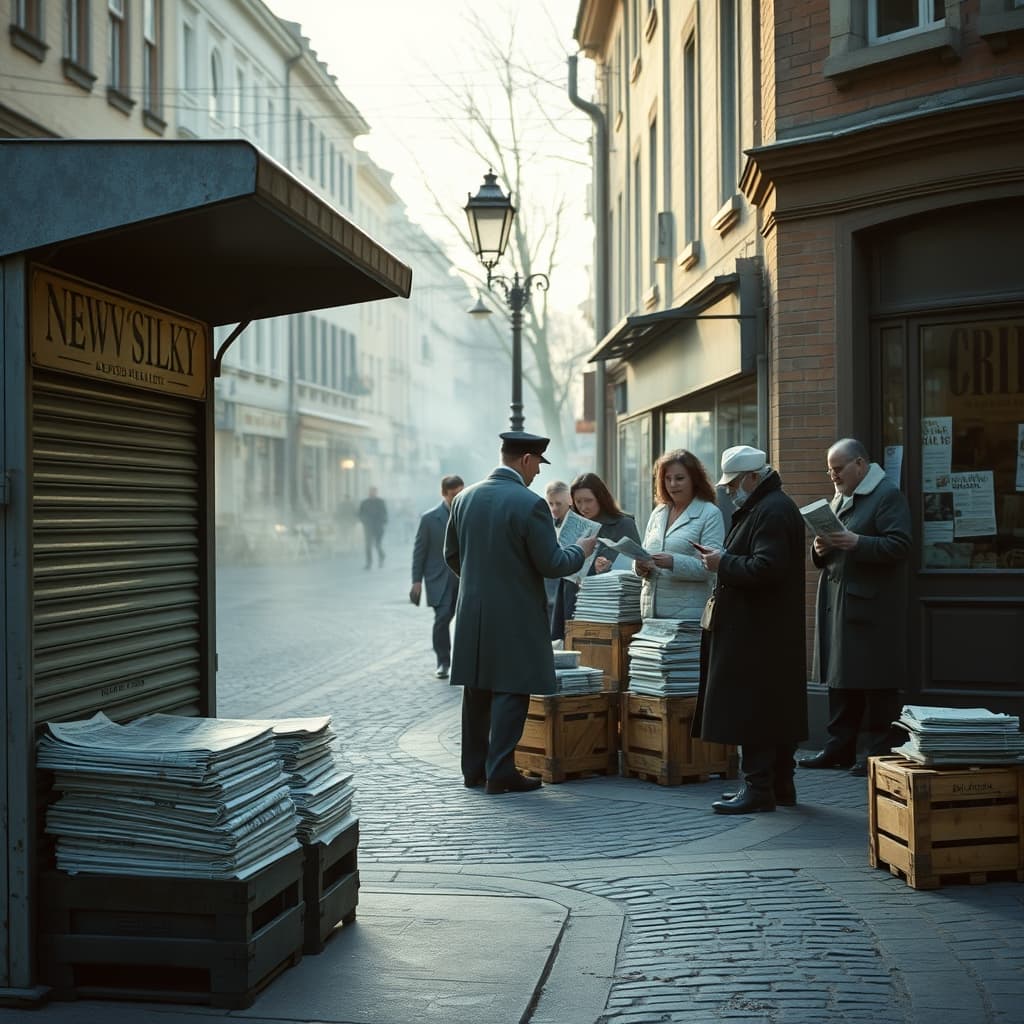
Sabah henüz tam aydınlanmadan, sokağın taşlarına ince bir serinlik çökerken ilk hareket gazete bayisinin kepenginde başlardı. Metalin sürtünme sesi mahallede günün açıldığını haber verirdi. Fırından gelen sıcak ekmek kokusu daha köşeyi dönmeden duyulur, bayinin önündeki ipte dizili dergiler rüzgârla hafifçe sallanırdı. O yıllarda haber, bir ekrana düşen bildirim değil; parmaklarda mürekkep izi bırakan somut bir sabah ritüeliydi. İnsanlar daha çaylarını demlemeden paltolarını alır, apartman kapısını aralayıp bakkalın önünden geçer ve gazeteye uzanan yolu kendine ait bir törene dönüştürürdü.
Zamanın İzinde bakıldığında gazete bayileri yalnızca satış noktası değildi; kentin hafızasını gündelik dile çeviren küçük kamusal odaklardı. Bayi sahibinin sesi, manşetlerin ilk yorumunu taşırdı. “Bugün spor eki kalın”, “ekonomi sayfasında zam haberi var”, “hafta sonu eki kaçırma” gibi cümleler, haberi okumadan önce mahalleye bir çerçeve sunardı. Gazete daha açılmadan sohbet başlar, apartman görevlisiyle memur aynı başlığı farklı gözle yorumlardı. Bu ortak okuma zemini, farklı sınıfları ve kuşakları birkaç dakika için aynı kaldırımda buluştururdu.
Gazetenin eve giriş biçimi de başlı başına bir kültürel koreografiydi. Kimileri gazeteyi kapının altından alır, kimileri balkondan sarkıp seyyar dağıtıcıya seslenirdi. Bazı evlerde manşet önce büyükbabanın elinden geçer, sonra sırayla diğerlerine verilirdi. Bulmaca sayfası teyzeye, spor sayfası çocuğa, ilanlar sayfası evin alışveriş planını yapan anneye giderdi. Kağıdın hışırtısı, çay kaşığının bardağa değen tınısına karıştığında sabahın temposu kurulmuş olurdu. Haber okumak böylece yalnız zihinsel bir faaliyet değil, aile içi düzeni belirleyen bir saat ayarı hâline gelirdi.
Gazete bayilerinin mahalle kültürüne kattığı en önemli şeylerden biri güven ilişkisiydi. Veresiye defterine yazılan dergi parası, ay sonunda ödenen haftalık ekler, çocuğa emanet edilen bozukluklar; bunların hepsi mahalledeki karşılıklı itimada dayanırdı. Bayi, hangi hanede kimin hangi gazeteyi tercih ettiğini bilir, sınav haftasında gençler için eğitim eklerini ayırır, emeklilere bulmaca özel sayısını saklardı. Bu kişisel takip, bugünün algoritmik öneri sistemlerinden daha sıcak bir hafıza yaratırdı çünkü öneriyi yapan bir yazılım değil, aynı sokakta selamlaşılan bir insandı.
Teknolojik dönüşümle birlikte haberin hızı arttı, erişim kolaylaştı, başlıklara ulaşmak saniyelere indi. Ancak hızın artması, sabahın ortak ritmini inceltti. Eskiden herkes benzer saatlerde benzer manşetlerle güne başlarken şimdi her ekran farklı bir gündem taşıyor. Buna rağmen birçok kişi hâlâ hafta sonu gazetesi aldığında sayfaları hemen katlamıyor, önce kokusunu içine çekiyor, başlıkları yüksek sesle okuyor. Çünkü hafıza, haberi yalnız içeriğiyle değil; onu alma biçimiyle de saklıyor.
Cam açtıran sabahlar ifadesi tam da bu yüzden güçlü kalıyor. Gazete dağıtıcısının bisiklet zili, bayi önünde bekleyen birkaç kişinin kısa selamı, ilk sayfadaki fotoğrafın yarattığı ortak şaşkınlık; bunların her biri şehirde birlikte uyanma kültürünün parçasıydı. Mahalleye haberi taşıyan gazete bayileri, aslında haberi kadar bir davranış biçimini de taşımıştı: dinleyerek tartışmak, farklı fikre tahammül etmek, önce okumak sonra hüküm vermek.
Bugün kentlerin temposu değişse de o davranış mirası hâlâ yaşayabiliyor. Bir haberi paylaşmadan önce kaynağına bakmak, komşunun görüşünü duyunca hemen kesip atmamak, çocuklara manşet dilini birlikte çözmeyi öğretmek gibi küçük alışkanlıklar geçmişin bu basit ama güçlü okulundan geliyor. Gazete bayisinin önünde başlayan o kısa sabah buluşmaları, geride yalnız kâğıt değil, toplumsal hafızanın zarif bir okuma terbiyesini bıraktı.
🇬🇧 English | The Quiet Headline of Window-Opening Mornings: Newspaper Kiosks Carrying News into the Neighborhood
Before daylight fully settled over the street, the first movement of the day began with the shutter of the newspaper kiosk. The scrape of metal signaled that morning had officially arrived. Warm bread from the bakery drifted through the block, and magazines hanging by clips swayed in the cool breeze. In those years, news was not a push notification on a screen; it was a tangible ritual that left ink marks on fingertips. People grabbed coats before tea was finished, stepped through apartment doors, crossed in front of the corner grocer, and turned the short walk to the kiosk into a personal ceremony.
Seen historically, kiosks were never simple sales points. They were small civic nodes where urban memory was translated into daily language. The vendor’s voice often delivered the first interpretation of headlines: “The sports supplement is thick today,” “There’s a new price rise story on the economy page,” “Don’t miss the weekend insert.” Conversations started before papers were unfolded. A doorman and a clerk could read the same front page through different lives, yet stand on the same pavement in the same moment. That shared reading ground briefly connected classes, generations, and routines.
The way newspapers entered the home formed its own cultural choreography. Some families picked them from under the door, others leaned from balconies and called to delivery boys. In many houses, the front page passed through the grandfather first, then circulated by habit. Crossword pages went to an aunt, sports to a child, classified ads to the mother planning household purchases. The rustle of paper mixed with the teaspoon tapping against tea glass, and the rhythm of morning locked into place. Reading news became more than information; it became a domestic clock.
One of the kiosk culture’s strongest contributions to neighborhood life was trust. Magazine payments written in ledger books, weekly supplements settled at month’s end, coins entrusted to children: these worked through reciprocal confidence. Vendors knew who preferred which paper, reserved education inserts during exam weeks, and set aside puzzle specials for retirees. This personal memory often felt warmer than modern recommendation algorithms, because the recommendation came from a familiar human face, not software.
As technology changed, news became faster and easier to access. Yet increased speed thinned the collective tempo of mornings. Once, people began the day around similar hours with similar headlines. Now each screen carries its own agenda. Still, many people who buy weekend newspapers today do not fold pages immediately. They smell the print, read titles aloud, and linger over photos. Memory preserves not only what news said, but how news arrived.
That is why “window-opening mornings” remains such a vivid phrase. The bicycle bell of the paper boy, brief greetings beside the kiosk, and shared surprise at a front-page photo were all parts of waking up together in the city. Kiosks carried more than headlines; they carried a civic habit: listen before arguing, tolerate different views, read before judging.
Even in today’s faster urban rhythm, that inheritance can survive in small gestures: checking a source before sharing a story, letting a neighbor finish a thought, teaching children how to read headline language critically. Those brief meetings in front of kiosks left behind more than printed pages. They left a refined reading etiquette within collective memory.
🇧🇷 Português (Brasil) | A Manchete Silenciosa das Manhãs de Janela Aberta: As Bancas que Levavam a Notícia para o Bairro
Antes de o dia clarear por completo, o primeiro movimento da rua começava na porta de metal da banca de jornal. O som da abertura anunciava que a manhã tinha começado. O cheiro de pão quente da padaria chegava cedo, e as revistas penduradas balançavam com o vento fresco. Naquela época, notícia não era alerta no celular; era um ritual concreto que deixava tinta nos dedos. Muita gente pegava o casaco antes mesmo de terminar o chá, saía do prédio, passava pelo mercadinho da esquina e transformava o caminho até a banca em um pequeno rito diário.
Quando olhamos esse período com distância histórica, vemos que a banca não era só ponto de venda. Era um núcleo cívico em miniatura, onde a memória da cidade virava conversa de calçada. A voz do jornaleiro trazia a primeira leitura da manchete: “Hoje o caderno de esporte está forte”, “Tem aumento na página de economia”, “Não perca o suplemento de fim de semana”. O diálogo começava antes da abertura do jornal. Porteiro, comerciante, professor e aposentado liam o mesmo tema por ângulos diferentes, mas dividiam o mesmo chão por alguns minutos.
A entrada do jornal na casa também seguia uma coreografia própria. Em alguns lares, ele vinha por baixo da porta; em outros, alguém chamava o entregador da varanda. Em muitas famílias, a capa passava primeiro pelas mãos do avô e depois circulava conforme o costume. O passatempo ia para a tia, o esporte para as crianças, os classificados para quem organizava compras da casa. O som do papel abrindo se misturava ao tilintar da colher no copo de chá, e o ritmo da manhã ganhava forma. Ler notícia era mais do que se informar: era acertar o relógio da casa.
Um dos maiores legados das bancas para a cultura de bairro foi a confiança. Revistas anotadas no caderno, pagamento no fim do mês, troco entregue para criança: tudo dependia de vínculo humano. O jornaleiro conhecia preferências de cada família, guardava cadernos escolares em época de prova e separava edições de palavras cruzadas para os mais velhos. Essa memória personalizada era mais calorosa do que muitos sistemas digitais de recomendação, porque vinha de uma pessoa conhecida, e não de um algoritmo.
Com a transformação tecnológica, a notícia ficou mais rápida e mais acessível. Mas a velocidade também reduziu o ritmo coletivo da manhã. Antes, muita gente começava o dia com manchetes parecidas; hoje cada tela organiza um mundo próprio. Ainda assim, quem compra jornal de fim de semana muitas vezes não abre correndo. Primeiro sente o cheiro do papel, depois lê títulos em voz alta, observa a foto principal com calma. A memória guarda não só o conteúdo, mas também a forma de chegada da notícia.
Por isso a imagem das “manhãs que faziam abrir a janela” continua tão viva. O sino da bicicleta do entregador, os cumprimentos curtos na frente da banca, o espanto coletivo diante de uma capa marcante: tudo isso fazia parte do despertar da cidade. A banca levava mais do que informação. Levava um modo de convivência: ouvir antes de discutir, respeitar diferenças, ler antes de concluir.
Mesmo com a cidade acelerada de hoje, esse legado aparece em práticas simples: conferir a fonte antes de compartilhar, escutar o vizinho até o fim, ensinar crianças a interpretar manchetes. Aqueles encontros rápidos na calçada deixaram mais do que papel impresso. Deixaram uma ética de leitura que ainda sustenta a memória coletiva.