Eski Pano
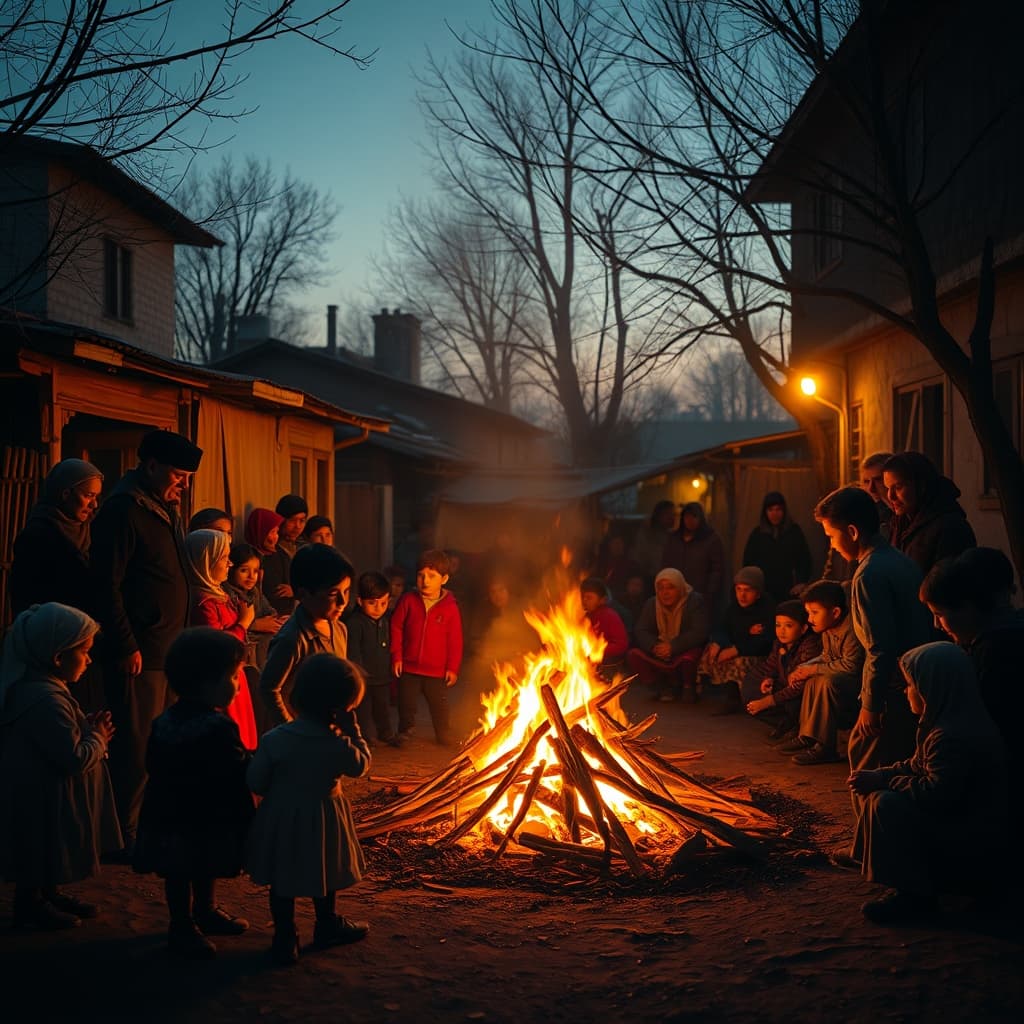
At the threshold of spring, there was an evening when winter’s long shadow slowly withdrew from neighborhood streets. In an empty lot, branches were gathered, children circled with excitement, and elders checked the wind before deciding where the fire should stand. The Nevruz fire was not merely lit; it was prepared, awaited, and collectively owned. When the first spark rose, the smell of burning wood mixed with damp soil, and everyone took a deep breath at the same moment. That moment marked a beginning written less on calendars and more in memory.
In older urban life, seasonal transitions were the true rhythm of daily existence. A clock tower could show the hour, but people’s inner clock was often set by nature. Nevruz was one of the clearest moments of that inner timing. Winter fatigue, household debts, stove routines, and the heaviness of early darkness changed language around the fire. Neighbors exchanged wishes, children borrowed courage from one another to jump over flames, and elders narrated scenes from earlier Nevruz nights. Individual stories connected into a shared narrative within one circle of fire.
One reason the night remains unforgettable is its ritual simplicity. It needed no expensive setup, no grand stage. A few branches, a safe open space, shared intention, and collective feeling were enough. In many homes, special food was prepared and offered beyond family borders. Warm pastries, nuts, and tea extended conversation around the flames. For children, it was where play met courage; for adults, a symbolic way to release the weight of the previous year and call in a new season.
Historically, Nevruz has been celebrated with different local practices, yet the backbone remained the same: spring’s arrival and the idea of beginning again. In Anatolian towns, neighborhood-scale gatherings often mattered more than official events because they strengthened everyday social ties. People knocked on each other’s doors more often, old tensions softened, and new ventures received public goodwill. In that sense, the Nevruz fire is more than folklore; it is a civic memory tool that refreshes solidarity at a human scale. The circle around the flames creates an equal meeting space with no single center.
The ache people feel today when recalling those nights is not simple romanticism. It is longing for a form of togetherness that once felt natural. In the age of personal screens and fragmented attention, each person often lives a separate season. Nevruz night used to be a concrete scene of breathing the same air in shared time. The spark in children’s eyes, the quiet approval of elders, the shoulder-to-shoulder stance of neighbors carried one message: life can be rebuilt.
Even when the fire began to fade, people did not leave immediately. As embers dimmed, conversation deepened, plans for the next day emerged, and small promises for spring were made. “Let us visit more,” “we should fix the garden together,” “let us take the children to the park.” These were everyday agreements disguised as casual talk. That is where Nevruz fire gains durability: the ritual ends, but the community feeling built around it continues to live.
Renewed Hope Around the Nevruz Fire: The Place of Spring’s Beginning in Shared Memory