
Skip to content

Eski Pano

🇹🇷 Geçmişin güzelliğini keşfedin 🇬🇧 Exploring the beauty of the past 🇧🇷 Explorando a beleza do passado

Menu
  • Hakkımızda | About Us | Sobre Nós
  • İletişim | Contact | Contato
Menu

Sokak Lambalarının Altında Büyüyen Anılarda Semt Pazarlarının Haftanın Nabzını Tuttuğu Sabahlar: Unutulan Ayrıntılarıyla Bize ne Söylüyor Çiçek Kokulu Sokaklar | In the Memories That Grew Beneath the Streetlights, the Mornings When Neighborhood Markets Held the Pulse of the Week: What do Flower-Scented Streets Tell Us with Their Forgotten Details? | Nas Memórias Que Cresceram Sob as Luzes da Rua, as Manhãs Em Que as Feiras de Bairro Marcavam o Ritmo da Semana: O Que Nos Dizem as Ruas Com Cheiro de Flores Em Seus Detalhes Esquecidos?
Posted on 11/04/2026 by admin

🇹🇷 Türkçe | Semt Pazarlarının Çiçek Kokulu Sabahlarında Saklanan Şehir Ritmi

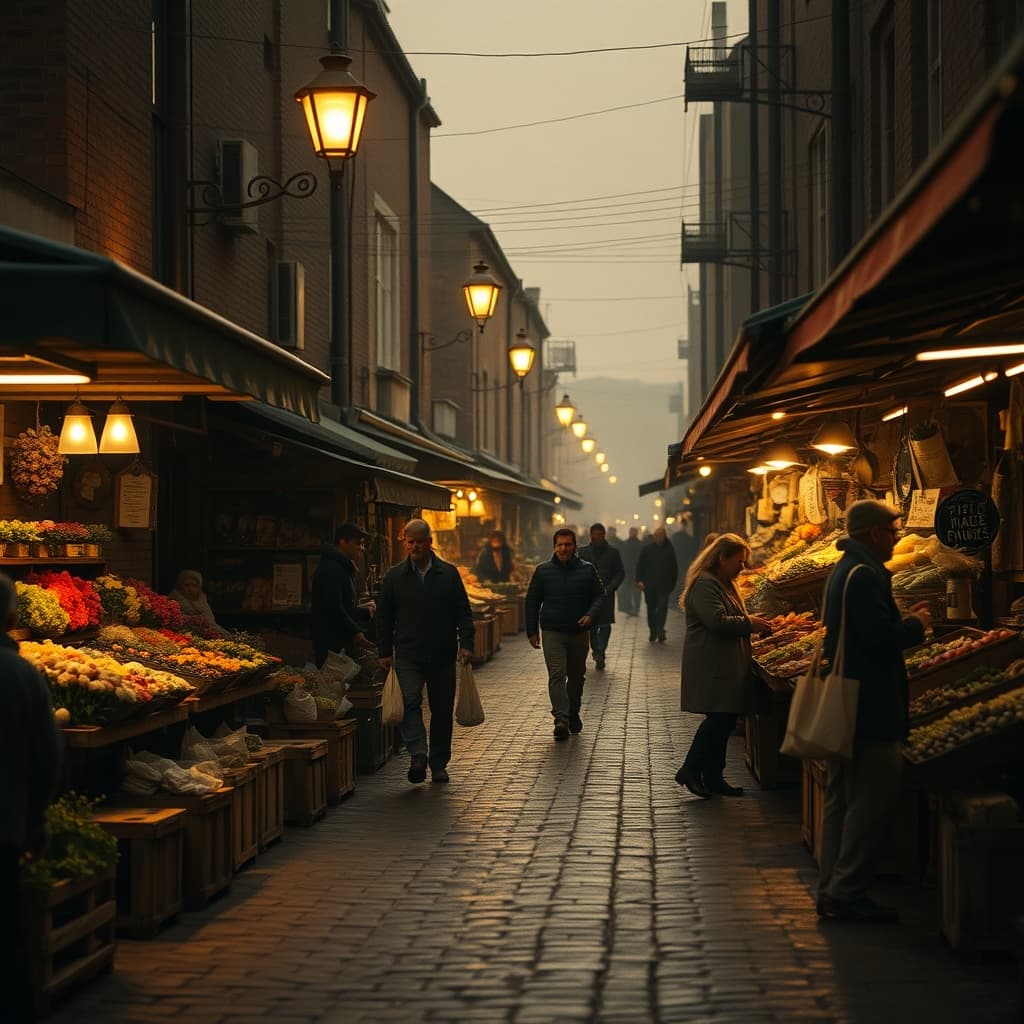
Bir zamanlar semt pazarı yalnız alışveriş edilen bir yer değildi; haftanın ritmini kuran, mahallenin nabzını görünür kılan sabah töreniydi. Gün daha iyice açılmadan sokak lambalarının solgun ışığı altında ilk kasalar taşınır, kamyonların arkasından inen tahta sebze sandıkları kaldırım taşlarına sürtünür, uzaktan gelen sesler yavaş yavaş sokağın uykusunu çözerdi. Hava serin olurdu ama içine karışan maydanoz, ıslak toprak, taze ekmek ve bir kenarda yeni açılmış çiçeklerin kokusu, sabahı kuru bir serinlikten çıkarıp canlı bir bekleyişe dönüştürürdü. Pazara gitmek, evin ihtiyaç listesini tamamlamaktan çok, haftaya hangi duyguyla başlanacağını belirleyen küçük bir toplumsal buluşmaydı.

Zamanın İzinde bakıldığında semt pazarları, eski şehir hayatının en canlı hafıza alanlarından biridir. Çünkü burada yalnız ürünler değil, zamanın kendisi de dolaşıma girerdi. Hangi mevsimde hangi meyvenin ilk kez tezgâha düştüğü, balığın hangi haftalarda bollaştığı, annelerin hangi saatten sonra kalabalıktan kaçınmak için pazara indiği, çocukların hangi tezgâhta bedava maydanoz ya da erik koparmaya heves ettiği hep bu düzenin parçasıydı. Pazar sabahı, eski gazetelerde şehir haberleri kadar tanıdık bir gündelik manzaraydı. Toplumsal dönüşümler büyük cümlelerle anlatılsa da onların izleri çoğu zaman burada, bez torbanın ağırlığında, tezgahtaki tartının dilinde ve satıcıyla alıcı arasındaki pazarlık cümlelerinde görülürdü.

Bu çiçek kokulu sokakların bugün bize söylediği ilk şey, eski şehirde kamusal hayatın daha dokunulur ve daha yavaş kurulduğudur. Pazara giden yol üzerinde herkes birbirini biraz tanırdı. Apartmanın alt katındaki teyze fileyle çıkarken görülür, bakkal kepengi yarım açmış olur, simitçi çoktan ilk turunu atmış olurdu. Sokak lambalarının henüz tamamen sönmediği o saatlerde şehir, geceyle gündüz arasında kısa bir ortaklık yaşardı. İnsanlar acele ederdi ama birbirinden kopuk değildi. Birinin elindeki taze nane ötekinin dikkatini çeker, bir başkası domatesin bu hafta pahalı oluşundan söz açar, çiçekçi köşesinde karanfillerle sardunyalar sebze kasalarının sert kokusunu yumuşatırdı. Demek ki pazar sabahı, ekonomik bir zorunluluktan çok, mahallenin birbirini yeniden görme biçimiydi.

Gündelik hayat ayrıntıları bu eski ritmin asıl sıcaklığını daha iyi gösterir. Tezgâh bezleri sabahın ilk nemini taşır, satıcıların sesleri henüz tam yükselmemiş olur, “abla bak yeni geldi” cümlesi her hafta aynı güvenle söylenirdi. Çocuklar için pazar, yetişkinlerin dünyasına usulca sokuldukları yerdi; fasulye seçmeyi, meyvenin kokusundan olgunluk anlamayı, pazarcının yüzünden indirim ihtimalini okumayı burada öğrenirlerdi. Anneler ya da büyükanneler hangi domatesin menemene, hangisinin salçaya uygun olduğunu anlatırken aslında yalnız mutfak bilgisini değil, yaşamı tartma terbiyesini de aktarırlardı. Bir demet dereotunun, iki kilo patatesin ve bir avuç zeytinin etrafında örülen bu küçük sahneler, şehir kültürünün en alçak sesli ama en kalıcı dersleriydi.

Unutulan ayrıntılar tam da burada anlam kazanır. Bugün market rafları daha düzenli, daha aydınlık ve daha sessiz olabilir; ama eski semt pazarının hafızada kalmasının nedeni kusursuz düzen değil, hafif dağınıklık içindeki insani sıcaklıktır. Kasaların yanındaki çamur izi, gazeteye sarılmış maydanoz, üst üste yığılan portakal sandıkları, filelerin kola bıraktığı iz ve dönüş yolunda eve yayılan taze ot kokusu, geçmişi bugünden ayıran küçük ama güçlü işaretlerdir. Çiçek kokulu sokaklar bize, eski şehir hayatında ihtiyaçların bile estetik bir çevre içinde karşılandığını söyler. Alınan şey yalnız sebze meyve değil, haftayı taşıyacak bir canlılık duygusuydu.

Sonuçta sokak lambalarının altında büyüyen semt pazarı sabahları, geçmişin bize bıraktığı en güçlü şehir tanıklıklarından biridir. Orada haftanın nabzı fiyatlarda, seslerde, yüzlerde ve kokularda atardı. Bugün o sokakları hatırlarken özlenen şey yalnız taze ürün değil; birbirini gören, birbirine seslenen ve sabahı ortak bir ritimle açan şehir terbiyesidir. Çiçek kokulu sokaklar bu yüzden bize hâlâ çok şey söyler: bir kentin ruhu, en çok gündelik alışkanlıklarının arasına saklanır.


🇬🇧 English | The Urban Rhythm Hidden in the Flower-Scented Mornings of Neighborhood Markets

There was a time when the neighborhood market was not merely a place to shop, but a morning ritual that set the rhythm of the week and made the pulse of the district visible. Before daylight had fully opened, the first crates were carried beneath the fading glow of streetlights, wooden produce boxes scraped against the pavement, and distant voices slowly loosened the sleep of the street. The air was cool, yet mixed with parsley, damp earth, fresh bread, and the scent of flowers newly opened at a nearby corner, it became more than a cold morning. It turned into a living anticipation. Going to the market was not simply about completing a household list. It was a small social gathering that helped decide with what feeling the week would begin.

Seen historically, neighborhood markets are among the liveliest memory spaces of older city life. Not only goods circulated there, but time itself. Which fruit first arrived on the stalls in a given season, in what weeks fish became plentiful, at what hour mothers preferred to come before the crowd thickened, or at which stand children hoped to receive a free sprig of parsley or a plum, all formed part of the order. A market morning belonged to the city as much as local news in an old newspaper. Social transformations may be described in grand language, but their traces were often visible here, in the weight of a cloth shopping bag, in the tongue of a scale, and in the bargaining sentences exchanged between seller and buyer.

The first thing these flower-scented streets tell us today is that public life in the older city was more tangible and more slowly built. On the road to the market, almost everyone knew one another a little. An older woman from the ground floor would be seen stepping out with her net bag, the grocer would have half-opened his shutter, and the simit seller would already be on his first round. At those hours when the streetlights had not yet completely gone out, the city shared a brief partnership between night and day. People hurried, yet they were not cut off from one another. The mint in someone’s hand drew another’s attention, someone else commented that tomatoes were expensive this week, and the carnations and geraniums at the flower stall softened the harsher smell of the vegetable crates. In that sense, the market morning was not merely an economic necessity, but a way for the neighborhood to see itself again.

The details of daily life reveal the warmth of that rhythm even more clearly. Stall cloths still held the first dampness of morning, the voices of vendors had not yet risen to full strength, and the sentence “sister, this just came in” was spoken each week with the same practiced confidence. For children, the market was where they entered the adult world quietly. They learned how to choose beans, how to smell ripeness in fruit, and how to read on a vendor’s face whether a discount might be possible. When mothers or grandmothers explained which tomatoes belonged in a menemen and which were better for sauce, they were passing on not only kitchen knowledge, but a discipline for weighing life itself. The scenes built around a bunch of dill, two kilos of potatoes, and a handful of olives were among the quietest yet most lasting lessons of urban culture.

It is in these forgotten details that the old meaning becomes clear. Today supermarket shelves may be more orderly, brighter, and quieter, yet what keeps the neighborhood market alive in memory is not perfect order but human warmth inside slight disorder. The trace of mud beside the crates, parsley wrapped in old newspaper, stacks of orange boxes, the marks left on an arm by a heavy shopping bag, and the scent of fresh herbs spreading through the house on the way back are all small but powerful signs separating the past from the present. The flower-scented streets tell us that in the old city, even necessities were met within an atmosphere that carried beauty. What people took home was not only fruit and vegetables, but a feeling of vitality that would carry the week.

In the end, the mornings of neighborhood markets growing beneath the streetlights remain one of the strongest urban testimonies the past has left us. The week’s pulse beat there in prices, voices, faces, and smells. What is missed now is not only fresh produce, but a civic discipline in which people saw one another, spoke to one another, and opened the morning together in a shared rhythm. That is why flower-scented streets still have so much to say: the spirit of a city hides most deeply among its everyday habits.


🇧🇷 Português (Brasil) | O Ritmo da Cidade Guardado nas Manhãs com Cheiro de Flores das Feiras de Bairro

Houve um tempo em que a feira de bairro não era apenas um lugar de compras, mas um ritual da manhã que organizava o ritmo da semana e tornava visível o pulso do bairro. Antes de o dia clarear por completo, as primeiras caixas eram carregadas sob a luz já enfraquecida dos postes, os caixotes de madeira raspavam nas pedras da calçada e vozes distantes começavam aos poucos a desfazer o sono da rua. O ar era fresco, mas misturado ao cheiro de salsinha, terra molhada, pão novo e flores recém-abertas numa esquina próxima, deixava de ser apenas frio e se transformava em expectativa viva. Ir à feira não significava só completar a lista da casa. Era um pequeno encontro social que ajudava a definir com que sentimento a semana começaria.

Olhando no tempo, as feiras de bairro estão entre os espaços de memória mais vivos da antiga vida urbana. Não circulavam ali apenas produtos, mas o próprio tempo. Em que estação surgia a primeira fruta, em quais semanas o peixe aparecia em abundância, a que horas as mães preferiam chegar antes do aperto, ou em qual banca as crianças esperavam ganhar um ramo de salsa ou uma ameixa, tudo isso fazia parte da ordem do lugar. A manhã de feira era uma cena tão familiar quanto as notícias locais de um jornal antigo. As transformações sociais podem ser explicadas em frases grandes, mas seus sinais muitas vezes apareciam ali, no peso da sacola de pano, na agulha da balança e nas palavras trocadas entre freguês e feirante.

Essas ruas com cheiro de flores nos dizem hoje, antes de tudo, que a vida pública da cidade antiga era mais palpável e construída de modo mais lento. No caminho até a feira, quase todos se conheciam ao menos um pouco. Via-se a senhora do térreo saindo com sua rede de compras, o mercadinho de porta meio aberta e o vendedor de simit já no primeiro giro da manhã. Naquelas horas em que os postes ainda não tinham apagado por completo, a cidade vivia uma breve parceria entre a noite e o dia. Havia pressa, mas não havia isolamento. O maço de hortelã na mão de alguém chamava a atenção de outro, alguém comentava o preço do tomate naquela semana, e os cravos e gerânios da barraca de flores adoçavam o cheiro mais duro dos caixotes de legumes. A manhã de feira era, assim, menos uma obrigação econômica e mais uma forma de o bairro se reencontrar.

Os detalhes do cotidiano mostram ainda melhor a temperatura desse antigo ritmo. Os panos das bancas guardavam a primeira umidade da manhã, as vozes dos vendedores ainda não tinham alcançado o volume mais alto, e a frase “irmã, isso acabou de chegar” era repetida toda semana com a mesma confiança treinada. Para as crianças, a feira era uma entrada discreta no mundo dos adultos. Ali se aprendia a escolher feijão-vagem, sentir pelo cheiro se a fruta estava no ponto e perceber pelo rosto do feirante se havia chance de desconto. Quando mães e avós explicavam qual tomate servia para menemen e qual ficava melhor no molho, elas transmitiam não apenas saber culinário, mas uma disciplina de medir a vida. As pequenas cenas formadas em torno de um maço de endro, dois quilos de batata e um punhado de azeitonas estavam entre as lições mais silenciosas e duradouras da cultura urbana.

É justamente nesses detalhes esquecidos que o antigo sentido reaparece. Hoje as prateleiras de supermercado podem ser mais organizadas, mais claras e mais silenciosas, mas o que mantém a feira de bairro viva na memória não é a perfeição da ordem, e sim o calor humano dentro de uma leve desordem. A marca de lama ao lado dos caixotes, a salsa embrulhada em jornal, as caixas de laranja empilhadas, o sinal deixado no braço por uma sacola pesada e o cheiro de ervas frescas espalhado pela casa na volta são sinais pequenos, porém fortes, que separam o passado do presente. As ruas perfumadas por flores nos dizem que, na cidade antiga, até as necessidades eram atendidas dentro de uma paisagem com beleza. O que se levava para casa não era só fruta e verdura, mas uma sensação de vitalidade capaz de sustentar a semana.

No fim, as manhãs de feira de bairro que cresciam sob os postes permanecem como um dos testemunhos urbanos mais fortes deixados pelo passado. O pulso da semana batia ali nos preços, nas vozes, nos rostos e nos cheiros. O que hoje faz falta não são apenas os produtos frescos, mas uma disciplina urbana em que as pessoas se viam, se chamavam e abriam a manhã num ritmo comum. Por isso as ruas com cheiro de flores ainda têm tanto a dizer: o espírito de uma cidade se esconde, acima de tudo, entre seus hábitos cotidianos.


Category: Zamanın İzinde / Traces of Time / Trilhas do Tempo

Yazı gezinmesi

← Ayva Reçeli: Mevsim Geçişlerinde Neden Daha da Anlam Kazanıyor ve Eski Mutfak Kültürünü Nasıl Yaşatıyor | Quince Jam: Why It Gains Even More Meaning During Seasonal Transitions and How It Keeps Old Kitchen Culture Alive | Geleia de Marmelo: Por Que Ganha Ainda Mais Sentido Nas Mudanças de Estação E Como Mantém Viva a Antiga Cultura da Cozinha
Salonda Toplanan Ailelerin Sessiz Heyecanı ve Telesekreter: Analog Çağın Unutulmayan Heyecanını Anlatıyor | the Quiet Excitement of Families Gathering in the Living Room and the Answering Machine: It Tells the Unforgotten Thrill of the Analog Age | A Emoção Silenciosa Das Famílias Reunidas Na Sala E a Secretária Eletrônica: Conta a Emoção Inesquecida da Era Analógica →

Bir yanıt yazın Yanıtı iptal et

E-posta adresiniz yayınlanmayacak. Gerekli alanlar * ile işaretlenmişlerdir

🇹🇷 Retro, Tarih ve Nostaljik Hikayeler
🇬🇧 Retro, History & Vintage Stories
🇧🇷 Histórias Retro, Históricas e Vintage

Son Yazılar | Recent Posts | Postagens recentes

  • Fırında Patates Oturtması Günleri: Unutulan Mutfak Alışkanlıklarını Nasıl Geri Çağırıyor | the Days of Baked Potato Oturtma: How Does It Call Back Forgotten Kitchen Habits? | Os Dias do Patates Oturtması No Forno: Como Faz Voltar Hábitos Esquecidos da Cozinha?
  • Boza Gecelerinin Sıcaklığı Neden Eski Şehir Hayatının Kalbinde Yer Etti | Why Did the Warmth of Boza Nights Settle in the Heart of Old City Life? | Por Que o Calor Das Noites de Boza Ocupou o Coração da Antiga Vida Urbana?
  • Desenli Çay Tepsisi ve Anneanne Evinin Değişmeyen Köşesi: Ustalık ve Sabrın İzini Neden Hâlâ Taşıyor | the Patterned Tea Tray and the Unchanging Corner of Grandmother’s House: Why Does It Still Carry the Trace of Craftsmanship and Patience? | A Bandeja de Chá Estampada E o Canto Imutável da Casa da Avó: Por Que Ainda Carrega o Rastro da Habilidade E da Paciência?
  • Salonda Toplanan Ailelerin Sessiz Heyecanı ve Telesekreter: Analog Çağın Unutulmayan Heyecanını Anlatıyor | the Quiet Excitement of Families Gathering in the Living Room and the Answering Machine: It Tells the Unforgotten Thrill of the Analog Age | A Emoção Silenciosa Das Famílias Reunidas Na Sala E a Secretária Eletrônica: Conta a Emoção Inesquecida da Era Analógica
  • Sokak Lambalarının Altında Büyüyen Anılarda Semt Pazarlarının Haftanın Nabzını Tuttuğu Sabahlar: Unutulan Ayrıntılarıyla Bize ne Söylüyor Çiçek Kokulu Sokaklar | In the Memories That Grew Beneath the Streetlights, the Mornings When Neighborhood Markets Held the Pulse of the Week: What do Flower-Scented Streets Tell Us with Their Forgotten Details? | Nas Memórias Que Cresceram Sob as Luzes da Rua, as Manhãs Em Que as Feiras de Bairro Marcavam o Ritmo da Semana: O Que Nos Dizem as Ruas Com Cheiro de Flores Em Seus Detalhes Esquecidos?

Son Yorumlar | Recent Comments | Comentários recentes

  1. Susiewedia - Seramik Sürahi ve Gündelik Kullanımın İçinde Görünmeden Bıraktığı İz: bir Dönemin Zevk Anlayışını Nasıl Yansıttı | the Ceramic Pitcher and the Trace İt Left Almost İnvisibly in Everyday Use: How İt Reflected an Era’s Sense of Taste | A Jarra de Cerâmica E o Rastro Quase İnvisível Que Deixou No Uso Cotidiano: Como Refletiu o Senso de Gosto de Uma Época
  2. GregoryLossy - Seramik Sürahi ve Gündelik Kullanımın İçinde Görünmeden Bıraktığı İz: bir Dönemin Zevk Anlayışını Nasıl Yansıttı | the Ceramic Pitcher and the Trace İt Left Almost İnvisibly in Everyday Use: How İt Reflected an Era’s Sense of Taste | A Jarra de Cerâmica E o Rastro Quase İnvisível Que Deixou No Uso Cotidiano: Como Refletiu o Senso de Gosto de Uma Época
  3. SheilaWex - Seramik Sürahi ve Gündelik Kullanımın İçinde Görünmeden Bıraktığı İz: bir Dönemin Zevk Anlayışını Nasıl Yansıttı | the Ceramic Pitcher and the Trace İt Left Almost İnvisibly in Everyday Use: How İt Reflected an Era’s Sense of Taste | A Jarra de Cerâmica E o Rastro Quase İnvisível Que Deixou No Uso Cotidiano: Como Refletiu o Senso de Gosto de Uma Época
  4. Susiewedia - Seramik Sürahi ve Gündelik Kullanımın İçinde Görünmeden Bıraktığı İz: bir Dönemin Zevk Anlayışını Nasıl Yansıttı | the Ceramic Pitcher and the Trace İt Left Almost İnvisibly in Everyday Use: How İt Reflected an Era’s Sense of Taste | A Jarra de Cerâmica E o Rastro Quase İnvisível Que Deixou No Uso Cotidiano: Como Refletiu o Senso de Gosto de Uma Época
  5. SheilaWex - Seramik Sürahi ve Gündelik Kullanımın İçinde Görünmeden Bıraktığı İz: bir Dönemin Zevk Anlayışını Nasıl Yansıttı | the Ceramic Pitcher and the Trace İt Left Almost İnvisibly in Everyday Use: How İt Reflected an Era’s Sense of Taste | A Jarra de Cerâmica E o Rastro Quase İnvisível Que Deixou No Uso Cotidiano: Como Refletiu o Senso de Gosto de Uma Época

Arşivler | Archives | Arquivos

  • Nisan 2026
  • Mart 2026
  • Şubat 2026

Kategoriler | Categories | Categorias

  • Damak Hafızası / Taste of Memory / Memória do Paladar
  • Mahalle Kültürü / Neighborhood Culture / Cultura do Bairro
  • Obje Hikayeleri / Object Stories / Histórias de Objetos
  • Teknoloji Mirası / Tech Heritage / Herança Tecnológica
  • Zamanın İzinde / Traces of Time / Trilhas do Tempo
eskipano.com'da yer alan bilgi, yorum ve değerlendirmeler yatırım danışmanlığı kapsamında değildir. Yatırım danışmanlığı hizmeti; aracı kurumlar, portföy yönetim şirketleri, mevduat kabul etmeyen bankalar ve yatırımcı arasında imzalanacak sözleşme çerçevesinde sunulmaktadır.

Sitede paylaşılan içerikler genel bilgilendirme amacı taşımakta olup, bunları hazırlayanların kişisel görüş ve değerlendirmelerine dayanabilir. Bu içerikler, ziyaretçilerin mali durumu ile risk ve getiri tercihleri dikkate alınarak hazırlanmış özel öneriler niteliğinde değildir. Bu nedenle yalnızca burada yer alan bilgi, yorum ve değerlendirmelere dayanılarak yatırım kararı verilmesi, beklentilere uygun sonuçlar doğurmayabilir.

eskipano.com üzerinde yayımlanan bazı içeriklerde reklam, sponsorluk, tanıtım, iş birliği, bağlı kuruluş bağlantıları (affiliate links) veya ticari yönlendirmeler yer alabilir. Bu tür içerikler, ilgili durumun niteliğine göre açıkça belirtilmeye çalışılsa da, kullanıcıların sitede yer alan her içeriği kendi değerlendirmeleri çerçevesinde incelemesi tavsiye edilir. Reklam, sponsorluk veya benzeri ticari unsurlar içeren içerikler, hiçbir şekilde kesin tavsiye, garanti ya da taahhüt anlamına gelmez.

eskipano.com'da yayımlanan içeriklerde doğruluk ve güncellik konusunda azami özen gösterilmekle birlikte, sitede yer alan bilgi ve verilerde oluşabilecek hata, eksiklik, gecikme ya da farklılıklardan; ayrıca bu bilgilerin kullanılması veya kullanılmaması nedeniyle ortaya çıkabilecek doğrudan ya da dolaylı zararlardan, kar kaybından veya üçüncü kişilerin uğrayabileceği zararlardan site yönetimi sorumlu tutulamaz.
  • Gizlilik Politikası | Privacy Policy | Política de Privacidade
  • Hakkımızda | About Us | Sobre Nós
  • İletişim | Contact | Contato
  • Site Haritası | Sitemap | Mapa do site
© 2026 Eski Pano | Powered by Minimalist Blog WordPress Theme