
🇹🇷 Türkçe | Fırından Eve Uzanan Koku Yolu: Mahalle Pastanesi Poğaçasının Ortak Hafızası
Eski mahallelerde sabahın en tanıdık habercilerinden biri, köşe başındaki pastaneden yükselen taze poğaça kokusuydu. Daha dükkân kepengi tam açılmadan sokaktan geçenler yağın ve mayanın sıcak izini alır, evde çay demlenen mutfaklar bu kokuyla aynı ritme girerdi. Poğaça yalnızca kahvaltı tabağına konan bir hamur işi değildi; mahallenin güne başlama biçimiydi. Bu yüzden sofraya geldiğinde bütün evin aynı kokuyla dolması, tesadüf değil, paylaşılan bir gündelik düzenin sonucuydu.
Damak Hafızası açısından bu kokunun gücü, üretim tekniği ile sosyal alışkanlığın birleşiminden doğar. Mahalle pastanelerinde hamur geceden mayalanır, sabah erken saatte tezgâha girer, ilk tepsi çıkınca sokakla dükkân arasında görünmez bir çağrı başlardı. Çocuklar okula yetişmeden poğaça alınır, işe gidenler kâğıda sarılmış sıcak paketle yola çıkar, evde kalanlar demlik başında “bir tane daha almalı mıydık” diye gülümserdi. Koku, bu akışın ortak imzasıydı.
Kültürel olarak poğaça, ekonomik erişilebilirliği sayesinde her sınıftan haneye girebilen bir lezzetti. Simitle akraba kadar sade, ev böreği kadar tanıdık, ama pastane dokunuşuyla biraz özel hissedilirdi. Peynirli, patatesli ya da sade fark etmeksizin, esas değer paylaşım anındaydı. Misafire çabucak ikram edilir, komşuya tabakla gönderilir, sınava gidecek çocuğun çantasına “aç kalma” notuyla konurdu. Böylece bir hamur işi, mahallenin duygusal ekonomisinde önemli bir araca dönüşürdü.
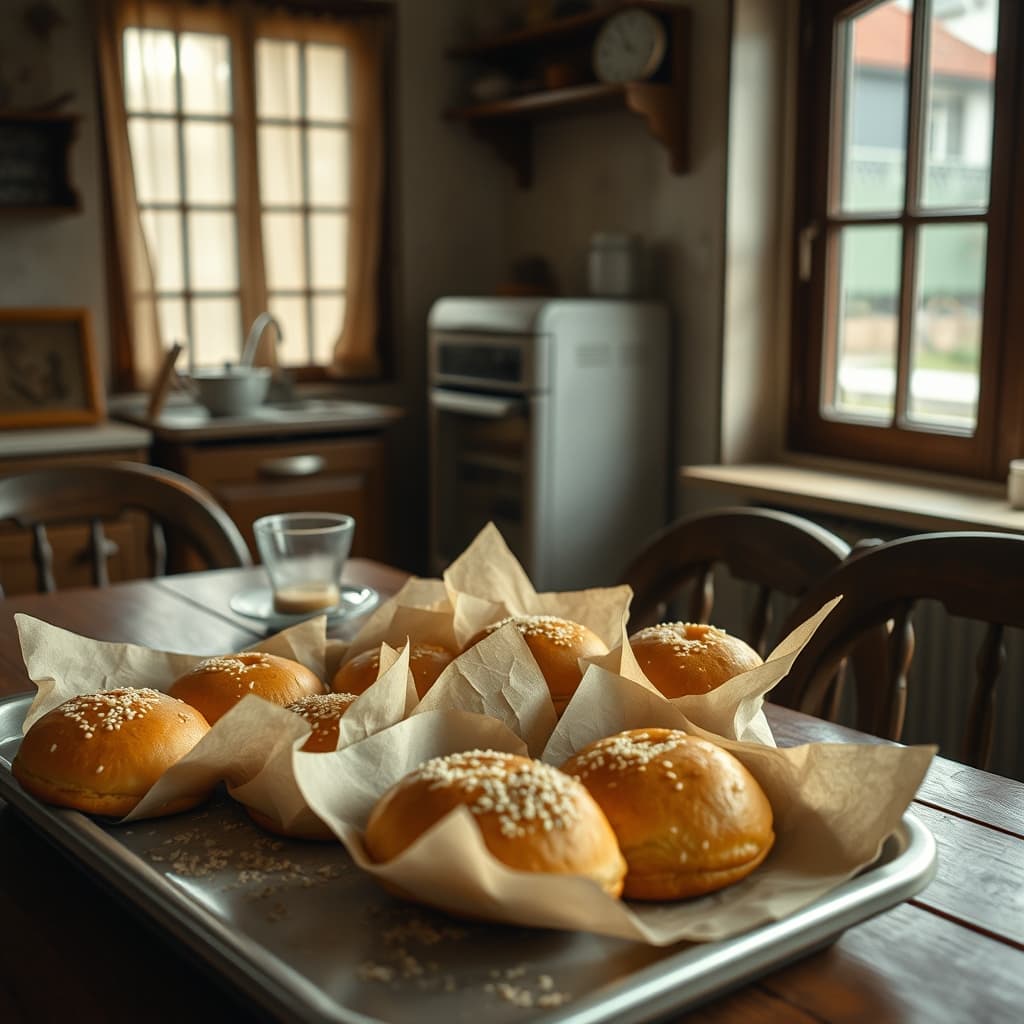
Ev içine taşınan koku, sadece iştah değil hatıra da üretirdi. Kağıt paketin açılma sesi, tezgâha düşen susam kırıntıları, cam bardakta buğulanan çayla birleşen tereyağı kokusu; tümü bellekte birlikte kaydolurdu. Yıllar sonra benzer bir koku duyulduğunda aniden çocukluk mutfağına dönme hissi buradan gelir. Tat belleği sözcüklerden hızlı çalışır; bir koku tek başına bir dönemi geri çağırabilir.
Mahalle pastanelerinin toplumsal işlevi de göz ardı edilemez. Pastacı, çoğu müşterisini adıyla tanır; “her zamanki gibi iki peynirli mi?” sorusu hem ticari hem insani bir bağ kurardı. Veresiye defterinin güvene dayalı dili, bayram sabahı uzayan kuyruk, okul çıkışında vitrine bakan çocukların heyecanı, bu mekânları yalnızca satış noktası olmaktan çıkarırdı. Pastane, mahallenin ritmini ölçen küçük bir kamusal odak hâline gelirdi.
Bugün zincir fırınlar ve paketli ürünler hız kazandırsa da eski mahalle pastanesinin kokusal hafızası ayrı bir yerde duruyor. Çünkü o koku, yalnızca fırından çıkan bir ürünün kokusu değildi; komşuluğun, sabah telaşının, aile içi paylaşımın ve şehir kültürünün birlikte mayalandığı bir yaşam biçimiydi. Sofraya gelen poğaçayla evin aynı anda dolması, işte bu ortak mayanın en görünür anıydı.
Kültürel miras olarak bakıldığında poğaça, büyük gastronomi anlatılarının dışında kalan ama gündelik hayatı taşıyan temel lezzetlerden biridir. Onu özel yapan tarifin karmaşıklığı değil, toplumsal dolaşımıdır. Pastaneden eve, evden komşuya, komşudan okul yoluna uzanan bu yol, şehirde birlikte yaşamanın yenilebilir bir haritasını çizer. Bu nedenle mahalle pastanesi poğaçası hâlâ aynı duyguyu uyandırır: sıcak, tanıdık ve birleştirici.
🇬🇧 English | The Scent Path from Bakery to Home: The Shared Memory of Neighborhood Poğaça
In old neighborhoods, one of the most familiar signs of morning was the smell of fresh poğaça rising from the corner bakery. Even before shutters were fully open, passersby caught warm traces of butter and yeast, and kitchens brewing tea at home fell into the same rhythm. Poğaça was not merely a pastry on a breakfast plate; it was the neighborhood’s way of beginning the day. That is why when it reached the table, the whole house filled with one aroma: not by chance, but through a shared routine.
From the perspective of taste memory, this scent’s power comes from the union of craft and social habit. In neighborhood bakeries, dough was fermented overnight, baked early, and once the first tray emerged, an invisible call started between shop and street. Children bought poğaça before school, workers carried warm paper-wrapped packs, and those at home smiled over tea saying, “should we have bought one more?” The aroma became the signature of this flow.
Culturally, poğaça was accessible across social classes. It was as simple as simit, as familiar as homemade pastry, yet a little special with bakery touch. Whether cheese, potato, or plain, its value was in sharing. It was offered quickly to guests, sent on a plate to neighbors, tucked into a student’s bag with a loving “don’t stay hungry.” A pastry thus became a key element in the neighborhood’s emotional economy.
The smell entering home produced not only appetite but memory. The sound of opening paper wrapping, sesame crumbs on the table, butter notes mixing with steaming tea in glass cups, all were encoded together. Years later, a similar aroma can suddenly return someone to a childhood kitchen. Taste memory works faster than language; one smell can retrieve an era.
The social function of neighborhood bakeries was equally important. Bakers knew many customers by name: “the usual two with cheese?” created both commercial and human connection. Trust-based credit notebooks, holiday-morning lines, children staring at the display after school, all made these places more than retail points. The bakery became a small civic node measuring neighborhood rhythm.
Today chain bakeries and packaged products offer speed, yet the aromatic memory of old neighborhood pastry shops remains distinct. That aroma was never only about baked dough; it carried neighborliness, morning urgency, family sharing, and urban culture rising together. The moment poğaça reached the table and scent spread through the house was the clearest expression of that common ferment.
As cultural heritage, poğaça belongs to everyday food traditions often absent from grand culinary narratives. What makes it special is not recipe complexity, but social circulation. From bakery to home, from home to neighbor, from neighbor to school road, this path draws an edible map of coexistence in the city. That is why neighborhood poğaça still evokes the same feeling: warm, familiar, and unifying.
🇧🇷 Português (Brasil) | O Caminho do Aroma da Padaria para Casa: A Memória Compartilhada da Poğaça de Bairro
Nos bairros antigos, um dos sinais mais conhecidos da manhã era o cheiro de poğaça fresca saindo da padaria da esquina. Antes mesmo de a porta abrir por completo, quem passava sentia o rastro quente de manteiga e fermento, e as cozinhas onde o chá era preparado entravam no mesmo ritmo. A poğaça não era apenas um salgado no café da manhã; era um modo coletivo de começar o dia. Por isso, quando chegava à mesa, a casa inteira se enchia do mesmo aroma.
Pela ótica da memória gustativa, a força desse cheiro nasce da união entre técnica de preparo e hábito social. Nas padarias de bairro, a massa fermentava à noite, ia ao forno cedo e, quando a primeira assadeira saía, começava um chamado invisível entre loja e rua. Crianças compravam antes da escola, trabalhadores seguiam com pacotes quentes no papel, e quem ficava em casa sorria com a pergunta: “será que devíamos ter trazido mais?”. O aroma era a assinatura dessa rotina.
Culturalmente, a poğaça era acessível para diferentes classes. Tinha a simplicidade do simit, a familiaridade da massa caseira e um toque especial da padaria. Com queijo, batata ou simples, o valor maior estava no compartilhamento. Era servida ao visitante, enviada em prato para o vizinho, colocada na mochila de quem ia estudar com o recado “não fique com fome”. Assim, um alimento simples ganhava papel central na economia afetiva do bairro.
O cheiro que entrava em casa despertava não só fome, mas lembrança. O som do papel sendo aberto, as sementes de gergelim caindo na mesa, o perfume de manteiga encontrando o chá quente no copo de vidro, tudo ficava registrado junto. Anos depois, um aroma parecido pode levar alguém de volta à cozinha da infância em segundos. A memória do paladar é rápida: um cheiro sozinho chama uma época inteira.
A função social da padaria de bairro também era marcante. O padeiro conhecia clientes pelo nome e perguntava “os dois de queijo de sempre?”. Essa frase criava vínculo comercial e humano. O caderno de fiado, as filas de manhã em dias festivos, o encanto de crianças diante da vitrine após a escola faziam da padaria mais que ponto de venda. Era um pequeno centro público do cotidiano local.
Hoje redes e produtos embalados aceleram a rotina, mas a memória aromática da antiga padaria de bairro ocupa um lugar próprio. Aquele cheiro não era só de forno; era o resultado de vizinhança, pressa da manhã, partilha familiar e cultura urbana fermentando juntas. Quando a poğaça chegava à mesa e o aroma tomava a casa, esse pacto cotidiano ficava visível.
Como patrimônio cultural, a poğaça representa tradições alimentares diárias que sustentam a vida social. O especial não está na complexidade da receita, e sim no caminho que ela percorre. Da padaria para casa, de casa para o vizinho, do vizinho para o trajeto da escola, forma-se um mapa comestível da convivência urbana. Por isso a poğaça de bairro ainda desperta a mesma sensação: calor, familiaridade e união.
