
🇹🇷 Türkçe | Okul Dönüşü Sofrasında İlk Kaşık: Anne Köftesinin Aile Hafızasındaki Yeri
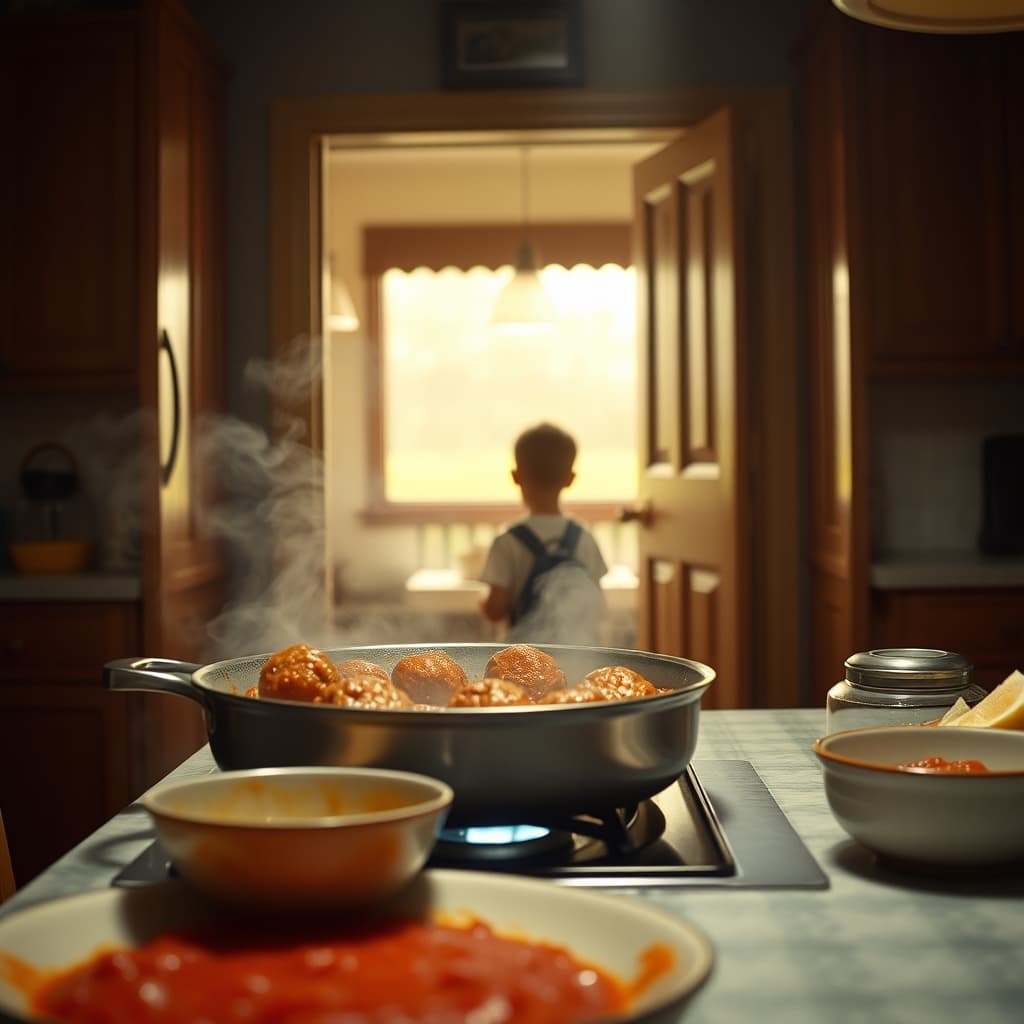
Okuldan eve dönülen saatlerin kendine özgü bir kokusu olurdu; apartman boşluğunda kızaran soğanın, tencerede kaynayan domatesin ve tavada mühürlenen köftenin kokusu birbirine karışırdı. Kapı açılır açılmaz çanta bir köşeye bırakılır, mutfaktan gelen “ellerini yıka” sesiyle çocukluk ritüeli tamamlanırdı. Masada henüz herkes toplanmamışken bile anne köftesi tabağı, günün yorgunluğunu ilk lokmada yumuşatan bir karşılama cümlesi gibi dururdu.
Anne köftesini özel yapan yalnız tarifin lezzeti değildi; zamanlamasıydı. Çoğu evde köfte, okul dönüşü saatine göre pişirilir, içi sıcak kalsın diye son dakikada tavaya bırakılırdı. Bu özen, yemek ile şefkat arasındaki sınırı görünmez hale getirirdi. Köftenin yanındaki patates püresi, domates sosu ya da pilav aileden aileye değişse de değişmeyen şey, ilk kaşığın “evdesin” duygusunu taşımasıydı.
Damak hafızası açısından bakıldığında köfte, Türkiye’de kuşaklar arası aktarımın en güçlü yemeklerinden biridir. Tarif defterinde yazan ölçüler kadar elde yoğurma süresi, ekmeğin hangi kıvamda ıslatıldığı, kimyonun ne kadar cömert kullanıldığı belirleyicidir. Anne tarifleri bu nedenle gramajdan çok sezgiye dayanır. “Göz kararı” diye geçen bu bilgi biçimi, mutfakta yalnız tekniği değil aile içi dili de aktarır; çocuk izler, koklar, zamanla aynı hareketleri devralır.
Okul dönüşü tabağa ilk uzanan kaşık da bu aktarımın sembolüdür. O kaşık sadece açlığı bastırmaz; günün dış dünyasından eve geçişi düzenler. Sınav stresi, öğretmenin uyarısı, arkadaşla yaşanan küçük kırgınlık, çoğu zaman köftenin yanında sessizce konuşulur. Yemek masası böylece beslenme alanı olmanın ötesine geçip duygusal onarım mekânına dönüşür. Anne köftesi burada bir tarif değil, konuşmayı kolaylaştıran sıcak bir aracı olur.
Tarihsel olarak bu yemek, ekonomik erişilebilirliği ve doyuruculuğu sayesinde şehirli ailelerin haftalık düzeninde sağlam bir yer edindi. Kasaptan alınan kıyma, bayat ekmekle değerlendirilen iç malzeme, mevsime göre değişen yan garnitürler bütçe dostu ama özenli bir sofra kurmaya imkân verdi. Bu pratiklik, köfteyi sıradanlaştırmadı; tersine her evin damak imzasını taşıyan kişisel bir yemeğe dönüştürdü.
Bugün dışarıdan sipariş kültürü, hazır soslar ve hız odaklı mutfak düzeni yaygınlaşsa da anne köftesinin duygusal etkisi sürüyor. Pek çok yetişkin, yıllar sonra aynı tarifi denediğinde çocukluk akşamını yeniden çağırdığını söylüyor. Tat birebir tutmasa bile kokunun benzemesi bile yeterli oluyor; çünkü hafıza, kusursuz kopyayı değil tanıdık hissi arıyor. Aile tariflerinin kalıcılığı biraz da bu esnek ama güçlü bağdan doğuyor.
Anne köftesi ve okul dönüşü ilk kaşık, aile tarifleri içinde bu yüzden özel bir yerde durur. Bu ikili, yiyeceği yalnız kalori değil ilişki dili yapan kültürel bir düzenin parçasıdır. Her köfte harcı, her tava sesi, her “bir tane daha al” cümlesi kuşaklar arasında görünmez bir köprü kurar. Bugün o günleri hatırlarken özlenen yalnızca bir yemek değil; eve varmanın güvenini taşıyan o ilk sıcak lokmadır.
🇬🇧 English | The First Spoon After School: Why Mother’s Meatballs Hold a Special Place in Family Recipes
The hour of returning home from school had its own aroma: sautéed onion in the hallway air, tomato simmering in a pot, meatballs searing in a pan. As soon as the door opened, a bag dropped in the corner and the childhood ritual completed itself with a voice from the kitchen: “Wash your hands.” Even before everyone sat at the table, a plate of mother’s meatballs stood like a welcome sentence, softening the day’s fatigue in the first bite.
What made these meatballs special was not flavor alone, but timing. In many homes, they were cooked according to school return hours, placed in the pan at the last moment to stay warm inside. That care blurred the line between food and affection. Side dishes varied by household, mashed potatoes here, rice there, tomato sauce elsewhere, yet one thing remained constant: the first spoon carried the feeling of “you are home.”
From the perspective of taste memory, meatballs are among the strongest intergenerational dishes in Turkey. Beyond written measurements, key factors include kneading time, bread moisture, and how generously cumin is used. Mother’s recipes rely more on intuition than exact grams. This “by eye” knowledge transmits not only technique but family language: children watch, smell, and eventually inherit the same gestures.
The first spoon reaching the plate after school symbolizes that transfer. It does more than satisfy hunger; it organizes passage from the outside world into home. Exam stress, teacher warnings, small friendship hurts were often spoken quietly beside that plate. The table thus became more than a nutrition site; it became a place of emotional repair. In this scene, mother’s meatballs were not merely a recipe but a warm facilitator of conversation.
Historically, the dish secured a stable place in urban family routines because it was affordable and filling. Minced meat from the butcher, stale bread reused in the mixture, and seasonal side options enabled careful but budget-conscious meals. This practicality did not make meatballs ordinary; instead, each household turned them into a personal signature taste.
Today, delivery culture, ready sauces, and speed-focused kitchens are widespread, yet the emotional force of mother’s meatballs remains. Many adults say that trying the same recipe years later brings back an entire childhood evening. Even when taste is not identical, a similar smell is enough, because memory seeks familiar feeling rather than perfect replication. The persistence of family recipes comes from that flexible but strong bond.
That is why mother’s meatballs and the first after-school spoon hold a distinct place in family culinary memory. Together they belong to a cultural order where food functions not only as calories but as relationship language. Every mixture in the bowl, every sound from the pan, every “have one more” sentence builds an invisible bridge across generations. What people miss today is not only a dish, but the first warm bite that carried the safety of arriving home.
🇧🇷 Português (Brasil) | A Primeira Colher da Volta da Escola: Por Que a Almôndega da Mãe É Tão Especial
A hora de voltar da escola tinha um cheiro próprio: cebola dourando no ar do corredor, molho de tomate fervendo, almôndegas selando na frigideira. A porta abria, a mochila era largada num canto, e o ritual infantil se completava com a voz da cozinha: “lava as mãos”. Mesmo antes de todos se sentarem, o prato de almôndega da mãe já estava ali como frase de boas-vindas, amaciando o cansaço do dia na primeira garfada.
O que tornava essa almôndega especial não era só o sabor, mas o tempo certo. Em muitas casas, ela era preparada para coincidir com a volta da escola, indo para a panela no último momento para chegar quente à mesa. Esse cuidado apagava a fronteira entre comida e afeto. O acompanhamento mudava de família para família, purê, arroz, molho, mas uma coisa permanecia: a primeira colher dizia “você chegou em casa”.
Na memória do paladar, a almôndega é um dos pratos mais fortes de transmissão entre gerações. Mais do que medidas anotadas, contam o tempo de amassar, a umidade do pão, a mão no cominho. Receitas de mãe dependem menos de grama exata e mais de intuição. Esse “no olho” transmite não só técnica, mas linguagem familiar: a criança observa, sente o cheiro e, com o tempo, repete o gesto.
A primeira colher após a escola simboliza exatamente essa herança. Ela não apenas mata a fome; organiza a passagem da rua para o lar. Ansiedade de prova, bronca do professor, pequena tristeza com amigos, tudo isso era conversado ao lado desse prato. A mesa deixava de ser só espaço de alimentação e virava lugar de reparo emocional. A almôndega da mãe, ali, funcionava como mediadora quente da conversa.
Historicamente, esse prato ganhou lugar fixo na rotina urbana por ser acessível e nutritivo. Carne moída do açougue, pão amanhecido reaproveitado, acompanhamentos de estação permitiam uma refeição caprichada com orçamento controlado. Essa praticidade não banalizou o prato; ao contrário, cada casa imprimiu nele sua assinatura de sabor.
Hoje, com delivery, molhos prontos e cozinhas aceleradas, o cotidiano mudou, mas a força afetiva da almôndega da mãe continua. Muitos adultos dizem que, ao tentar a receita anos depois, recuperam uma tarde inteira da infância. Mesmo quando o sabor não fica idêntico, um cheiro parecido basta, porque a memória procura sentimento reconhecível, não cópia perfeita. A longevidade das receitas de família nasce desse vínculo firme e flexível.
Por isso, a almôndega da mãe e a primeira colher da volta da escola ocupam lugar singular no repertório doméstico. Elas pertencem a uma cultura em que comida é também linguagem de relação. Cada mistura na tigela, cada som da frigideira, cada “pega mais uma” constrói uma ponte invisível entre gerações. O que se sente falta hoje não é apenas de um prato, mas daquele primeiro bocado quente com gosto de chegada.
