
🇹🇷 Türkçe | Tik Takla Ölçülen Emek: Mekanik Metronomun Tamir Tezgâhındaki İkinci Hayatı
Bir müzik odasının sessizliğinde, kapağı açılan mekanik metronomun içinden çıkan yay kokusu ve metalin ince tınısı duyulurdu. Ahşap gövdeye hafifçe dokunulduğunda yılların izi parmakta kalır, sarkaç ilk hareketini aldığında odanın ritmi yeniden kurulurdu. Metronom, yalnızca tempo veren bir araç değil, çalışmanın ciddiyetini belirleyen bir eşikti. Özellikle konservatuvar öğrencileri, müzik öğretmenleri ve evde kendi kendine çalışan gençler için tik tak sesi, dağınık zamanı toparlayan görünmez bir rehberdi.
Bu cihazın bugüne kadar yaşamasının temel nedeni, mekanik doğasının tamire açık olmasıydı. Dijital cihazlar bozulduğunda çoğu zaman değiştirilirken, metronom açılır, temizlenir, ayarlanır ve yeniden hayata dönerdi. Şehrin eski pasajlarında saat ustalığıyla müzik aleti tamirciliğini birleştiren küçük dükkânlar vardı. Ustalar, sarkacın dengesini göz kararıyla değil kulak terbiyesiyle test ederdi. Tik sesindeki milisaniyelik sapmayı fark eden bu zanaatkâr dikkat, metronomu sadece çalışır hale getirmez, karakterini de korurdu.
Mekanik metronomun ikinci ömrü, onu kullanan kuşakların duygusal yatırımıyla da ilgilidir. Birçok evde aynı metronom anne-babadan çocuğa geçerdi. Ahşap yüzeydeki çizikler, taşınma sırasında alınan darbeler, üzerine düşen nota kaleminin bıraktığı izler bir tür aile arşivine dönüşürdü. Cihaz bozulduğunda yenisini almak yerine tamire götürmek, geçmişle bağı sürdürme isteğiydi. Çünkü bu nesne yalnız ritim ölçmezdi; emek disiplini, sabır ve tekrarın değerini de öğretirdi.
Teknoloji mirası açısından metronom, analog mühendisliğin günlük öğrenme pratiğine nasıl entegre olduğunu gösteren güçlü bir örnektir. Kurmalı mekanizma, enerji depolama ve kontrollü salınım prensibini görünür kılar. Kullanıcı, kapağı açtığında bir makinenin nasıl nefes aldığını neredeyse gözle görür. Bu şeffaflık, mekanik araçlarla kurulan ilişkiyi kişiselleştirir. Günümüzde yazılımların görünmez algoritmalarıyla tempo takip edilirken, metronomun çıplak mekanizması öğrenme sürecine somut bir nesne etiği kazandırır.
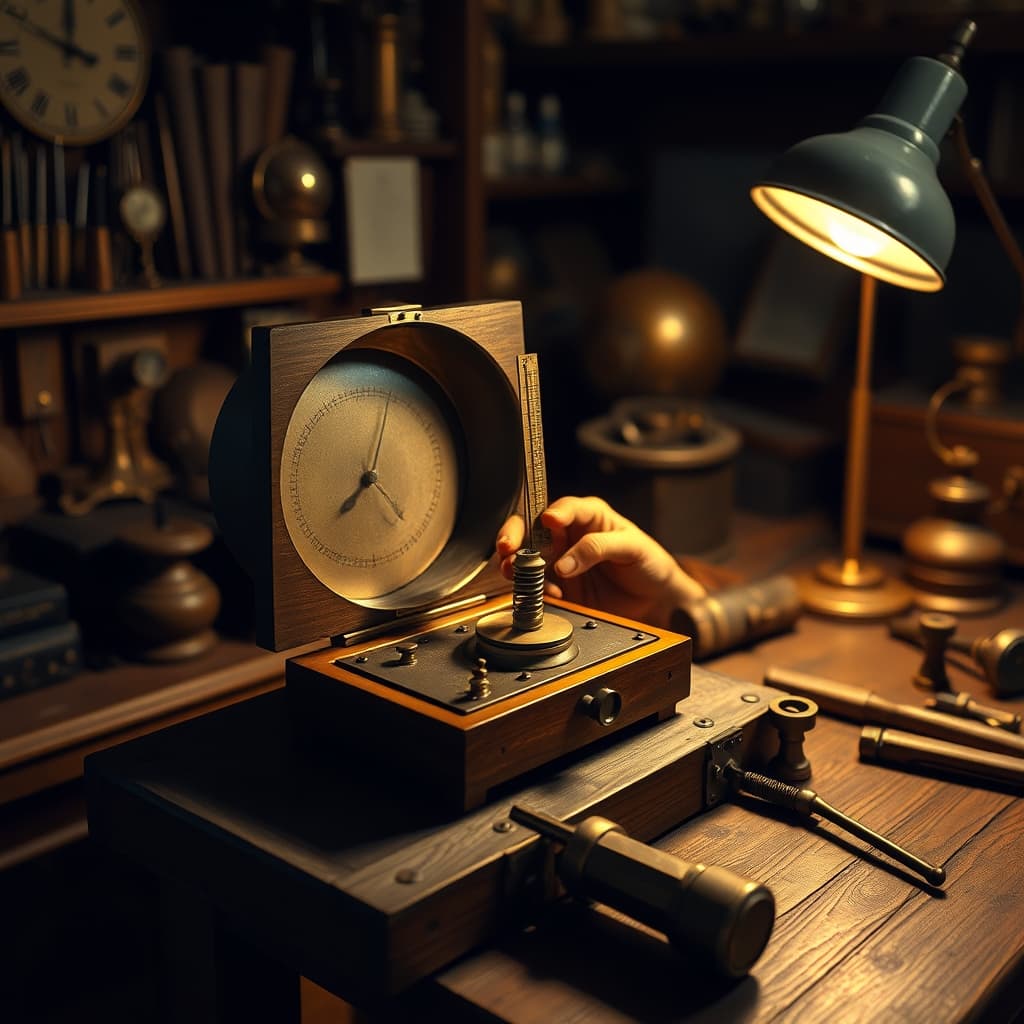
Tamircilerin rolü burada belirleyicidir. Usta, sadece vida sıkmaz; cihazın hikâyesini dinler. “Babamdan kaldı”, “ilk dersimde bunu kullandım”, “çocuğum sınava bununla hazırlandı” gibi cümleler tezgâhta sık duyulur. Tamir süreci teknik bir işlem olmaktan çıkar, kuşaklar arası bir teslim törenine dönüşür. Usta yayı değiştirirken sahibi heyecanla bekler, cihaz yeniden tik tak etmeye başladığında dükkânın içinde kısa bir sevinç sessizliği oluşur. Bu an, onarım kültürünün en insani tarafını görünür kılar.
Bugün mekanik metronoma artan ilgi, retro bir estetik hevesinden daha fazlasıdır. İnsanlar hızlanan dijital dünyada ölçülü ritme, elle kurulan düzene ve görülebilir mekanizmaya yeniden değer veriyor. Metronomun ikinci hayatı, tamir edilebilir teknolojinin sürdürülebilirliğini ve duygusal dayanıklılığını kanıtlıyor. Bir nesnenin ömrü üretim bandında değil, onunla kurulan bakım ilişkisinde uzar. Bu yüzden tik tak sesi, geçmişin kalıntısı değil; emek, zanaat ve kültürel sürekliliğin hâlâ canlı bir ritmidir.
Kimi müzik okullarında bugün bile derse başlarken kısa bir sessizlikten sonra metronom kurulması, bu kültürel sürekliliğin pratikteki karşılığıdır. Öğrenci için bu ses yalnız hız göstergesi değil, dikkat toplama çağrısıdır. Usta tamirciden çıkan bir metronomun yeniden sınıfta duyulması ise teknolojik mirasın yaşayan biçimde dolaşmaya devam ettiğini gösterir.
🇬🇧 English | Labor Measured by Tick and Tock: The Mechanical Metronome’s Second Life on the Repair Bench
In the quiet of a music room, opening a mechanical metronome released the faint scent of old springs and metal. Touching its wooden body revealed marks of years, and the first swing of the pendulum rebuilt the room’s rhythm. The metronome was never just a tempo device; it was a threshold of discipline. For conservatory students, music teachers, and self-taught young players, the tick-tock sound gathered scattered time and turned practice into intention.
Its survival into the present comes mainly from one quality: repairability. While many digital tools are replaced when they fail, a mechanical metronome can be opened, cleaned, calibrated, and revived. In old city arcades, small workshops combined clockmaking skill with instrument repair. Masters tested pendulum balance not only with tools but with trained ears. Detecting tiny timing drift, they restored not merely function but personality. Precision here was craft, not just procedure.
The metronome’s second life is also tied to emotional investment across generations. In many homes, the same unit passed from parents to children. Scratches on wood, dents from moving boxes, and pencil marks from music lessons formed a family archive. When it failed, owners often chose repair over replacement because they were preserving continuity, not only hardware. The object measured more than beats; it taught patience, repetition, and respect for incremental progress.
As technological heritage, the metronome demonstrates how analog engineering once sat inside everyday learning. The winding mechanism makes stored energy and controlled oscillation visible. When users open the case, they can almost see a machine breathing. That transparency creates intimate trust between person and device. Today, tempo apps run through hidden software logic; the mechanical metronome offers a tangible ethic of process, where function can be observed, understood, and maintained.
Repairers are central to this story. A good technician does not only tighten screws; they listen to the object’s biography. “It was my father’s,” “I used this in my first class,” “my child prepared with this for exams.” Such phrases are common at the bench. Repair becomes more than technical intervention; it becomes intergenerational stewardship. While the spring is replaced, the owner waits in quiet anticipation, and when tick-tock returns, a small silence of relief fills the workshop.
The renewed interest in mechanical metronomes today is more than retro fashion. In accelerated digital life, people are rediscovering value in measured rhythm, hand-wound order, and visible mechanics. The metronome’s second life proves that repairable technology can be both sustainable and emotionally resilient. An object’s lifetime is not fixed at manufacturing; it expands through care. That is why the tick-tock remains alive as a rhythm of labor, craft, and cultural continuity.
🇧🇷 Português (Brasil) | Trabalho Medido no Tic-Tac: A Segunda Vida do Metrônomo Mecânico na Bancada de Conserto
No silêncio de uma sala de música, ao abrir um metrônomo mecânico surgia o cheiro leve de mola antiga e metal. Ao tocar o corpo de madeira, os sinais do tempo apareciam sob os dedos, e o primeiro movimento do pêndulo reorganizava o ritmo do ambiente. O metrônomo nunca foi apenas um marcador de tempo; era um limiar de disciplina. Para estudantes de conservatório, professores e jovens que praticavam em casa, o tic-tac reunia o tempo disperso e dava direção ao estudo.
Sua permanência até hoje se explica por uma qualidade essencial: possibilidade de reparo. Muitos dispositivos digitais são trocados quando falham, mas o metrônomo mecânico pode ser aberto, limpo, calibrado e revivido. Em galerias antigas da cidade, pequenas oficinas uniam saber de relojoaria e conserto de instrumentos. Mestres avaliavam o equilíbrio do pêndulo não apenas com ferramentas, mas com ouvido treinado. Ao corrigir desvios mínimos, eles restauravam não só a função, mas o caráter do objeto.
A segunda vida do metrônomo também nasce do investimento afetivo entre gerações. Em muitas famílias, o mesmo aparelho passava de pais para filhos. Riscos na madeira, marcas de mudança e vestígios de lápis de partitura viravam arquivo doméstico. Quando o mecanismo parava, a escolha pelo conserto preservava continuidade, não apenas matéria. O objeto media mais que batidas; ensinava paciência, repetição e valor do progresso construído aos poucos.
Como herança tecnológica, o metrônomo mostra como a engenharia analógica fazia parte do aprendizado cotidiano. O mecanismo de corda torna visíveis os princípios de armazenamento de energia e oscilação controlada. Ao abrir a caixa, o usuário quase vê a máquina respirar. Essa transparência aproxima pessoa e tecnologia. Hoje, aplicativos de tempo funcionam por lógicas invisíveis; o metrônomo mecânico oferece uma ética concreta do processo, onde funcionamento pode ser observado e cuidado.
Os técnicos de reparo ocupam papel decisivo nessa história. Um bom profissional não apenas aperta parafusos; ele escuta a biografia do objeto. “Era do meu pai”, “usei no meu primeiro curso”, “meu filho estudou com ele para prova.” Essas frases aparecem com frequência na bancada. O conserto deixa de ser ato técnico puro e vira gesto de guarda entre gerações. Quando a mola é trocada e o tic-tac retorna, instala-se uma pequena pausa de alívio na oficina.
O interesse atual pelo metrônomo mecânico vai além de moda retrô. Na vida digital acelerada, cresce o valor de ritmos medidos, de ordem acionada à mão e de mecanismos visíveis. Sua segunda vida comprova que tecnologia reparável pode ser sustentável e emocionalmente resistente. A duração de um objeto não termina na fábrica; ela se amplia na relação de cuidado. Por isso, o tic-tac segue vivo como ritmo de trabalho, artesanato e continuidade cultural.
