Eski Pano
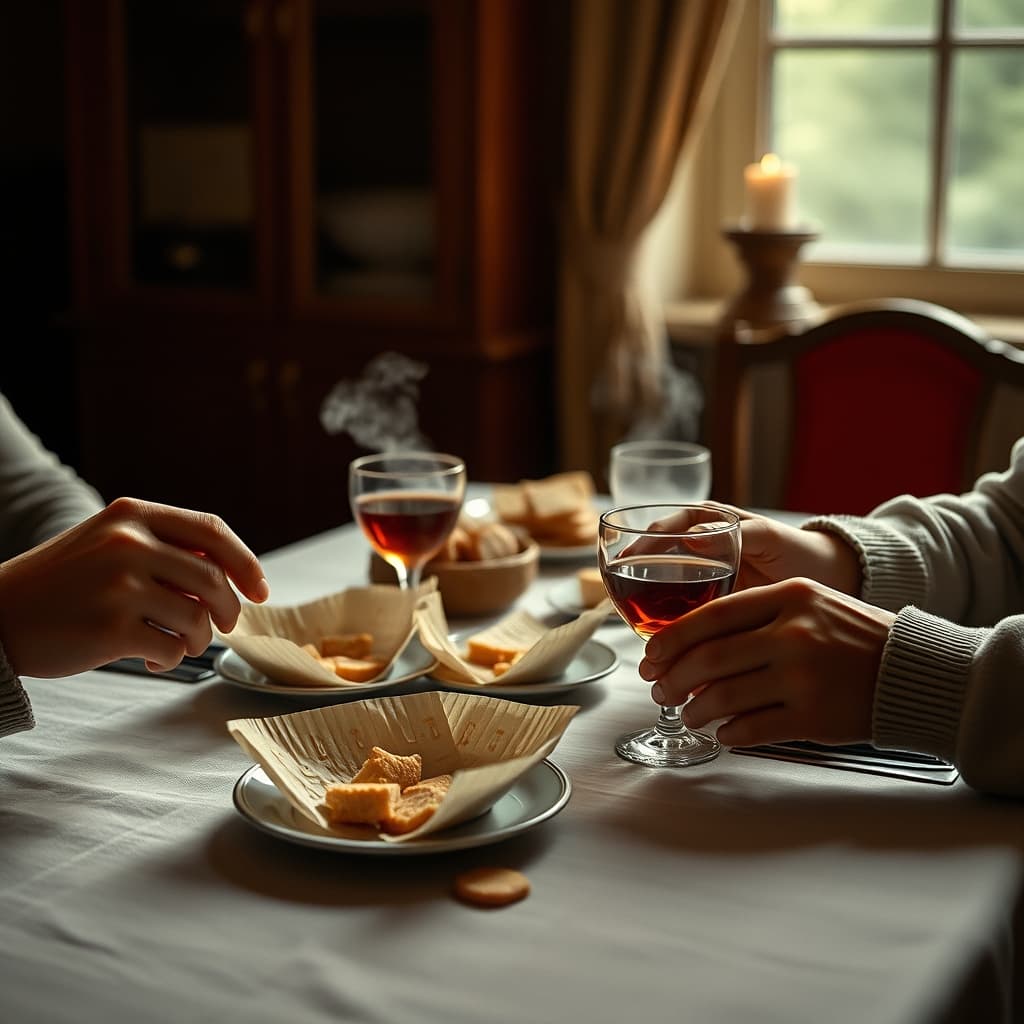
Some flavors are remembered less by the tongue than by the moment they spread through a home. Paper halva was exactly that kind of dessert: once placed on the table, it blended kitchen and living room air into one shared mood, its delicate layers opening everyone’s drawer of childhood memories at once. After dinner, while tea was brewing, the rustle of the package could trigger a small wave of anticipation. Its scent, somewhere between vanilla, light caramel, and crisp wafer, traveled beyond smell into memory itself. That is why saying “the whole house filled with the same aroma” is not exaggeration, but a common domestic experience for many families.
Its place in taste memory also comes from simplicity. Unlike heavy syrup desserts requiring long preparation, paper halva arrived effortlessly yet produced equal joy. The cream between the two thin wafers was balanced, never too heavy or too plain, and before children asked for another piece, adults usually moved to a second pour of tea. Sometimes ice cream was added between layers, sometimes it was eaten plain, sometimes crumbled into milk as a quick treat. Almost every household had its own small way of serving paper halva, and these habits passed quietly across generations like unwritten family recipes.
Its cultural influence appeared not only at home, but also in neighborhood food economy. Single packs from kiosks after school, ice-cream paper halva sold in front of open-air cinemas, thin boxes lined on the upper shelves of corner groceries: all were stations of the same aroma. Paper halva represented accessible happiness. It was rarely considered luxury, yet it functioned as a modest reward woven into ordinary days. That may be why it creates cross-class nostalgia so effectively: even when eaten in very different homes, the remembered feeling remains similar: sharing, lightness, and togetherness.
Today, culinary trends offer modern fillings and reinvented presentations, yet the core charm of paper halva has not changed. It remains one of the few sweets that can gather an entire home under a single scent without any grand performance. The crack of thin wafers, tea steam rising, a brief silence around the table, then the first laughter: these are pieces of a ritual extending from past to present. Paper halva is therefore more than dessert. It is a cultural document of taste memory, domestic closeness, and simple joy. Open one package, and the room still fills with something as light as childhood and as familiar as family.
Its persistence is also tied to economic memory. Because it remained affordable, paper halva appeared not only on holidays but on ordinary weekdays, turning from occasional treat into dependable household joy. That accessibility allowed people from different income backgrounds to share the same flavor culture. So when we remember paper halva, we are recalling more than taste. We are recalling a modest form of equality at the table: a happiness made from little, but multiplied through sharing.
Why Did the Whole House Fill with the Same Aroma When Paper Halva Arrived at the Table