Eski Pano
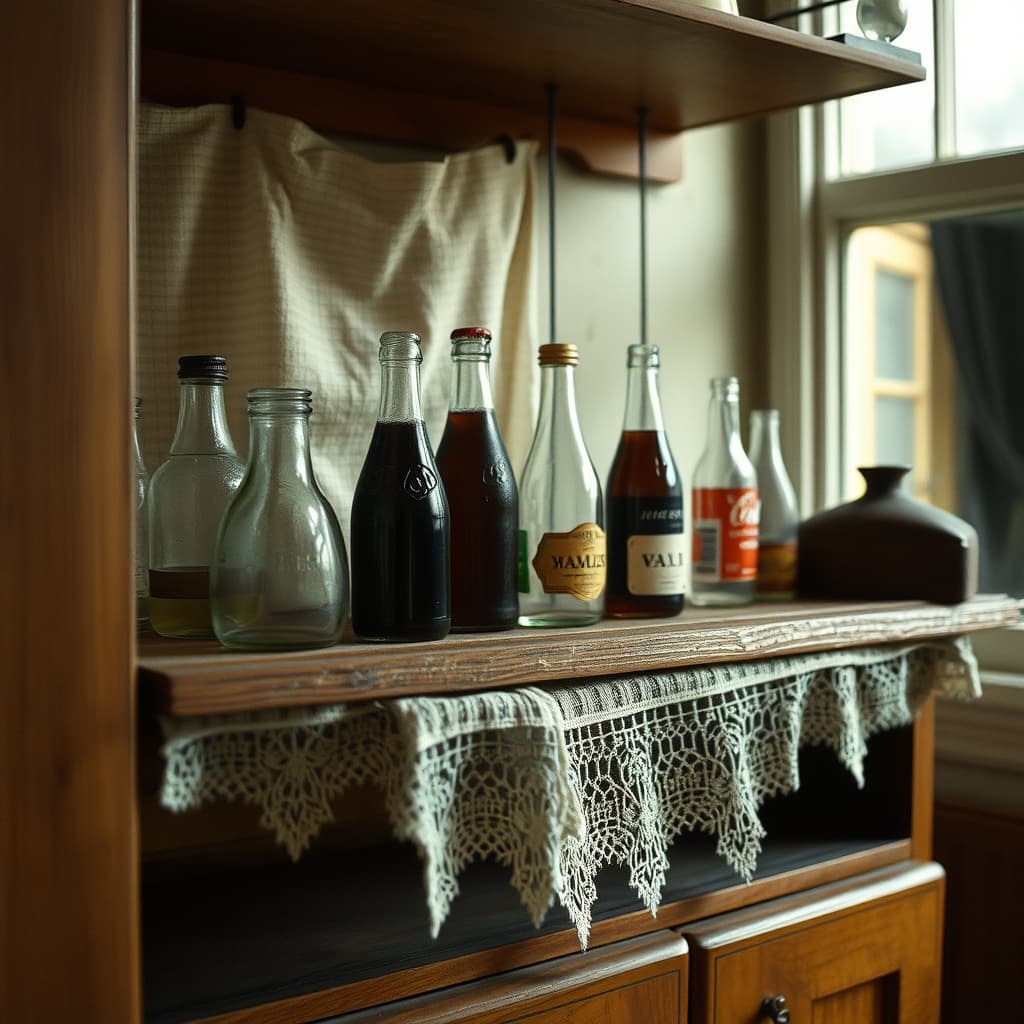
Some objects gain meaning not through immediate use, but through waiting. The glass soda bottle carried exactly this value for many years. Its memory was shaped not only by the fine sound of opening a cap on a summer day, but also by the way it stood on a shelf in the dowry room when unused. Among lace covers, mothball scent, and locked cabinets, the reflected glass surface symbolized order saved for “good days,” more than a simple beverage container.
Within object narratives, the glass soda bottle is distinctive because it held both everyday and ceremonial life at once. On weekdays it was an ordinary refreshment from the neighborhood shop; when guests arrived, it became a carefully presented serving object on a tray. Bottles waiting in the dowry room belonged to the home’s invisible economy of preparation. Like reserved plates, linens, and cups, they were items whose value expanded when the right moment arrived.
Respect for craft stood behind this patience. Details such as smooth glass surface, thickness at the neck, and precise label placement reflected production skill entering daily life. For older generations, durability defined quality: a bottle that resisted breakage, could be washed repeatedly, and returned through deposit systems was considered worthy. The object was therefore seen less as disposable packaging and more as a trustworthy item that circulated and returned.
The dowry room added emotional depth to this object. It was a space where “unused” did not mean “worthless,” but rather “carefully preserved for the future.” As bottles waited on shelves, so did hopes attached to a young woman’s coming household. A trunk to be opened, linens to be spread, a table to be set, all were quietly mirrored in transparent glass. Waiting here was not passive; it was an organized cultural practice of readiness.
From today’s perspective, this habit may appear slow or distant. Yet in that social structure, waiting was both economic prudence and aesthetic discipline. Not consuming immediately, preserving cleanly, and assigning value through care revealed how domestic time was managed. The glass soda bottle is a small but readable document of that order. Even a fine scratch could carry traces of how many holidays passed and how many guests were welcomed.
Why does it still carry marks of craftsmanship and patience? Because this object makes two kinds of labor visible at once. On one side, the technical labor of the glass worker in production; on the other, domestic care labor at home. Hands that washed, dried, shelved, and reused the bottle did more than preserve it. They gave it a role in family memory. Glass thus became both fragile and enduring, a cultural carrier in everyday life.
Looking again at the glass soda bottle is not merely nostalgia for old objects. It is a way to recognize a different ethic of time. The waiting that matured in the dowry room reminds us of a measure lost in speed culture: not everything must be consumed immediately. Some things gain value by waiting, gather stories through care, and become bridges between generations when shared.
The Glass Soda Bottle and the Waiting That Grew in the Dowry Room: Why It Still Carries Traces of Craftsmanship and Patience