
🇹🇷 Türkçe | Kasedin Dönüşünde Kurulan Akşam: Video Oynatıcının Ev İçindeki Sessiz Töreni
Eski şehirde bir eve video oynatıcı girdiğinde, yalnız yeni bir cihaz gelmiş olmazdı; akşamın ritmi değişirdi. Salonun en görünür köşesine yerleştirilen televizyonun altında duran siyah kutu, ailenin hafta sonu planını belirleyen merkez hâline gelirdi. Kaset kutuları sehpanın üstüne dizilir, hangi filmin izleneceği üzerine uzun ama tatlı bir pazarlık başlardı. Çocuklar aksiyon ister, büyükler eski bir Yeşilçam melodramına meyleder, sonunda herkesin razı olduğu bir seçim yapılırdı. İşte tören tam burada başlardı: birlikte karar verme ânında.
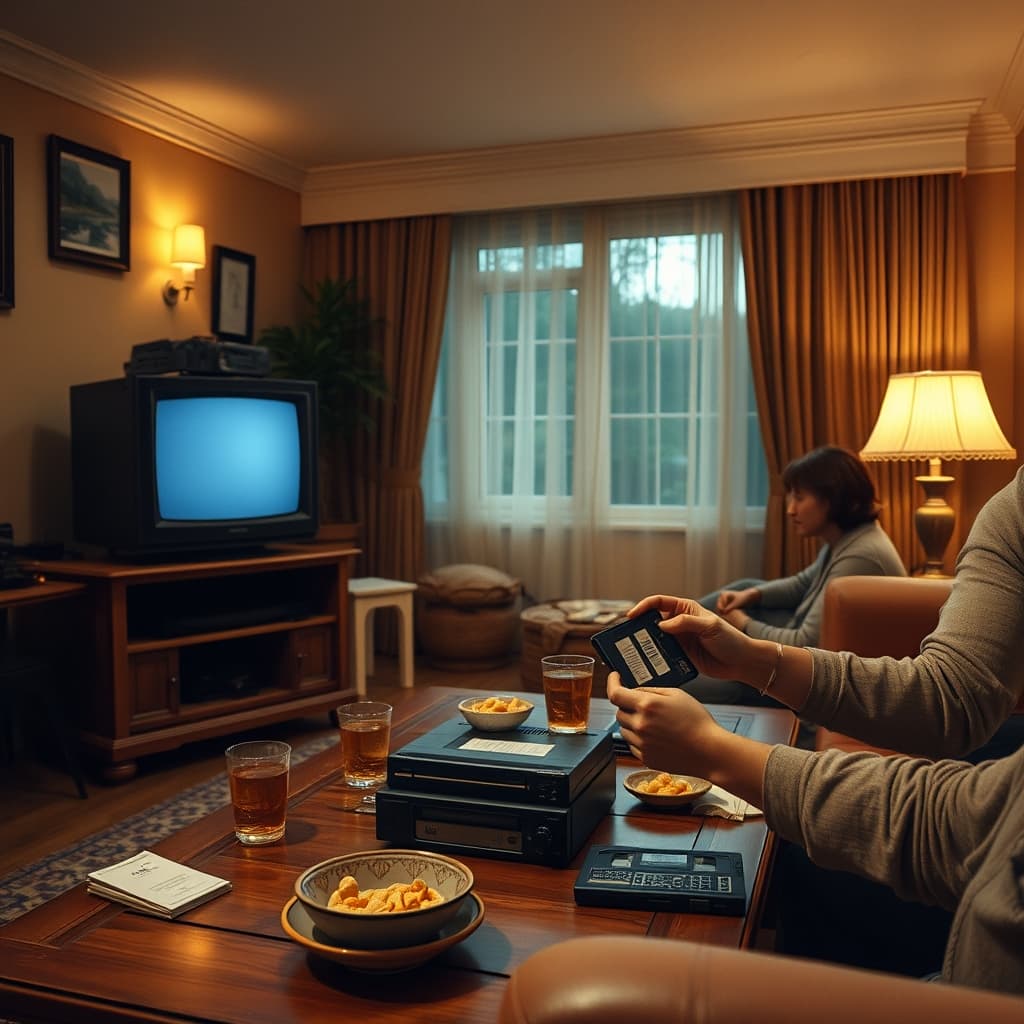
Kasetin cihaza yerleşirken çıkardığı mekanik ses, salonda bir tür başlangıç gongu gibi karşılanırdı. Kimi evde ışıklar hafifçe kısılır, çaylar tazelenir, çekirdek tabakları ortaya gelir, koltuk düzeni yeniden kurulur, kim nerede oturacak bile küçük bir düzene bağlanırdı. Uzaktan kumandanın sınırlı düğmeleri arasında ileri sarma, geri alma ve durdurma işlemleri, bir teknisyen sabrıyla yürütülürdü. Görüntüde çizgi varsa kafa temizleme kaseti aranır, ses boğuksa kablolar kontrol edilirdi. Bu ayrıntılar, izleme deneyimini pasif tüketimden çıkarıp kolektif emeğe dönüştürürdü.
Video oynatıcı kültürü aynı zamanda mahallenin sosyal dolaşımını da canlandırırdı. Kaset kiralama dükkânları, yalnız film alınan yerler değil, güncel sohbet mekânlarıydı. Dükkân sahibi hangi filmin “ailecek izlenir”, hangisinin “çocuk uyuyunca açılır” olduğuna dair gayriresmî rehberlik yapardı. Aynı kaset bazen iki komşu arasında el değiştirir, ertesi gün apartman girişinde “sonu çok iyiydi” cümlesiyle yeni bir sohbet açılırdı. Böylece video oynatıcı, ev içi eğlencenin ötesinde mahalle içinde paylaşılan kültürel bir ağ kurardı.
Bu tören havasını güçlendiren bir başka unsur da zamanın kıymetiydi. Kaset kiralama süresi sınırlı olduğundan herkes izleme saatine özen gösterirdi. “Geç kalmayalım, dükkân kapanmadan yetişelim” telaşı, bugünün sınırsız dijital arşivinde pek rastlanmayan bir dikkat duygusu yaratırdı. Seçilen film rastgele açılmaz; o akşama ayrılan zamanın hakkı verilerek izlenirdi. Film bitince jenerik akarken salonda kısa bir sessizlik olur, ardından karakterler üzerine tartışma başlardı. Herkes aynı hikâyeyi aynı anda deneyimlediği için yorumlar daha canlı ve ortak olurdu.
Teknoloji mirası açısından video oynatıcı, analog mühendisliğin ev içi kültüre nasıl sızdığını gösteren güçlü bir örnektir. Teyp kafası, manyetik bant, mekanik sarım düzeni gibi teknik bileşenler, kullanıcıya cihazın işleyişini sezgisel olarak öğretirdi. Bozulduğunda tamirciye götürülür, “lastiği gevşemiş” ya da “kafa kirlenmiş” gibi teknik cümleler aile diline bile karışırdı. İnsanlar cihazla aralarına mesafe koymaz, onu anlamaya çalışırdı. Bu yakınlık, teknolojiyle daha sorumlu bir ilişki kurmanın da temeliydi.
Bugünden bakınca video oynatıcı etrafında kurulan o sessiz heyecan, sadece nostaljik bir eğlence anısı değildir. Ailece toplanmanın, birlikte karar vermenin, sınırlı imkân içinde ortak bir ritim kurmanın kültürel değeri olarak okunmalıdır. Kasetin dönmesiyle başlayan o akşamlar, bize şunu hatırlatır: bazen en güçlü bağlar, aynı ekranın karşısında değil, o ekranın etrafında kurulan küçük ritüellerde oluşur.
🇬🇧 English | An Evening Built on the Turning Tape: The Quiet Domestic Ritual of the Video Player
When a video player entered a household in the old city, it was never just a new device; it changed the rhythm of the evening. The black box placed beneath the television in the living room quickly became the center of weekend plans. VHS cases were lined up on the coffee table, and a gentle family negotiation began over what to watch. Children wanted action, elders leaned toward old melodramas, and eventually a shared choice emerged. The ceremony began right there, in the act of deciding together.
The mechanical click of a tape sliding into the machine felt like an opening bell. In some homes, lights were dimmed, tea was refreshed, snack plates appeared, and seating was rearranged with surprising precision. Even remote control duties followed a careful order: fast-forward, rewind, pause, play. If image lines appeared, someone searched for the head-cleaning cassette; if sound was muffled, cables were checked. These details transformed viewing from passive consumption into collective participation.
Video culture also energized neighborhood social life. Rental shops were not only places to borrow films but informal conversation hubs. Shopkeepers advised which title was “good for family night” and which one should wait until children slept. Tapes circulated between neighbors, and the next day a comment in the apartment entrance, “the ending was excellent,” opened another round of talk. In that way, the video player built a shared cultural network beyond the walls of one home.
Another reason it felt ceremonial was the value of time. Rental periods were limited, so households planned viewing with care. The rush to return tapes before closing created attentiveness that rarely exists in today’s limitless digital catalogs. A chosen film was not clicked at random; it was watched as an event worthy of the evening. When credits rolled, silence briefly settled in the room, then discussion began about scenes and characters. Because everyone experienced the same story at the same moment, conversation was vivid and communal.
From a technology-heritage perspective, the video player is a strong example of analog engineering entering domestic culture. Tape heads, magnetic reels, and mechanical transport systems made users intuitively aware of how devices worked. When something failed, people visited repair shops and learned practical phrases: “the belt is loose,” “the head is dirty.” Technology was not treated as a sealed mystery. Families tried to understand it, and that closeness encouraged more responsible use.
Seen from today, the quiet excitement around the video player is more than nostalgia for old entertainment. It represents the cultural value of gathering, deciding together, and creating shared rhythm under limited means. Evenings that began with a spinning cassette remind us of something simple: the strongest bonds are not always formed by the screen itself, but by the rituals built around it.
🇧🇷 Português (Brasil) | A Noite Construída no Giro da Fita: O Ritual Silencioso do Videocassete em Casa
Quando um videocassete chegava a uma casa na cidade antiga, não era apenas um aparelho novo; era uma mudança no ritmo da noite. A caixa preta sob a televisão, no ponto mais visível da sala, virava o centro dos planos de fim de semana. As capas das fitas eram espalhadas sobre a mesa, e começava uma negociação afetuosa sobre qual filme assistir. As crianças queriam aventura, os mais velhos preferiam melodrama clássico, e no fim surgia uma escolha comum. O ritual começava justamente nesse momento de decisão coletiva.
O clique mecânico da fita entrando no aparelho soava como sinal de início. Em muitas casas, a luz era reduzida, o chá era renovado, os petiscos apareciam, e até os lugares no sofá seguiam uma pequena lógica familiar. O controle remoto, com poucos botões, exigia paciência: avançar, voltar, pausar, retomar. Se a imagem surgia com ruído, alguém buscava a fita de limpeza; se o som ficava abafado, cabos eram verificados. Esses cuidados transformavam a sessão em participação ativa, não em consumo automático.
A cultura do videocassete também movimentava a vida do bairro. Locadoras eram mais que pontos de empréstimo; eram espaços de conversa. O atendente sugeria o que era “para ver com a família” e o que ficava para depois que as crianças dormissem. A mesma fita passava de um vizinho para outro, e no dia seguinte um comentário no hall do prédio, “o final é ótimo”, já iniciava novo papo. Assim, o videocassete criava uma rede cultural compartilhada para além da sala de casa.
O caráter de cerimônia vinha também da relação com o tempo. Como o prazo de devolução era curto, assistir exigia organização. A pressa para chegar à locadora antes de fechar produzia um tipo de atenção raro na era do streaming infinito. O filme escolhido não era aberto por impulso; era acompanhado como evento da noite. Quando os créditos subiam, havia alguns segundos de silêncio, seguidos de discussão sobre personagens e cenas. Como todos tinham vivido a mesma história ao mesmo tempo, a conversa ganhava intensidade.
No campo da herança tecnológica, o videocassete mostra como a engenharia analógica entrou na cultura doméstica. Cabeça de leitura, fita magnética e mecanismo de tração ensinavam, de forma prática, como a tecnologia funcionava. Quando surgia defeito, a ida ao conserto trazia termos técnicos para a linguagem cotidiana: “a correia afrouxou”, “a cabeça está suja”. As famílias não tratavam o aparelho como mistério intocável; buscavam entendê-lo. Essa proximidade gerava uso mais consciente.
Hoje, aquela excitação silenciosa em torno do videocassete vale mais que lembrança afetiva. Ela revela o valor de reunir, escolher juntos e construir ritmo comum com recursos limitados. As noites iniciadas pelo giro da fita lembram algo essencial: muitas vezes, os laços mais fortes não nascem da tela em si, mas dos pequenos rituais construídos ao redor dela.
