Eski Pano
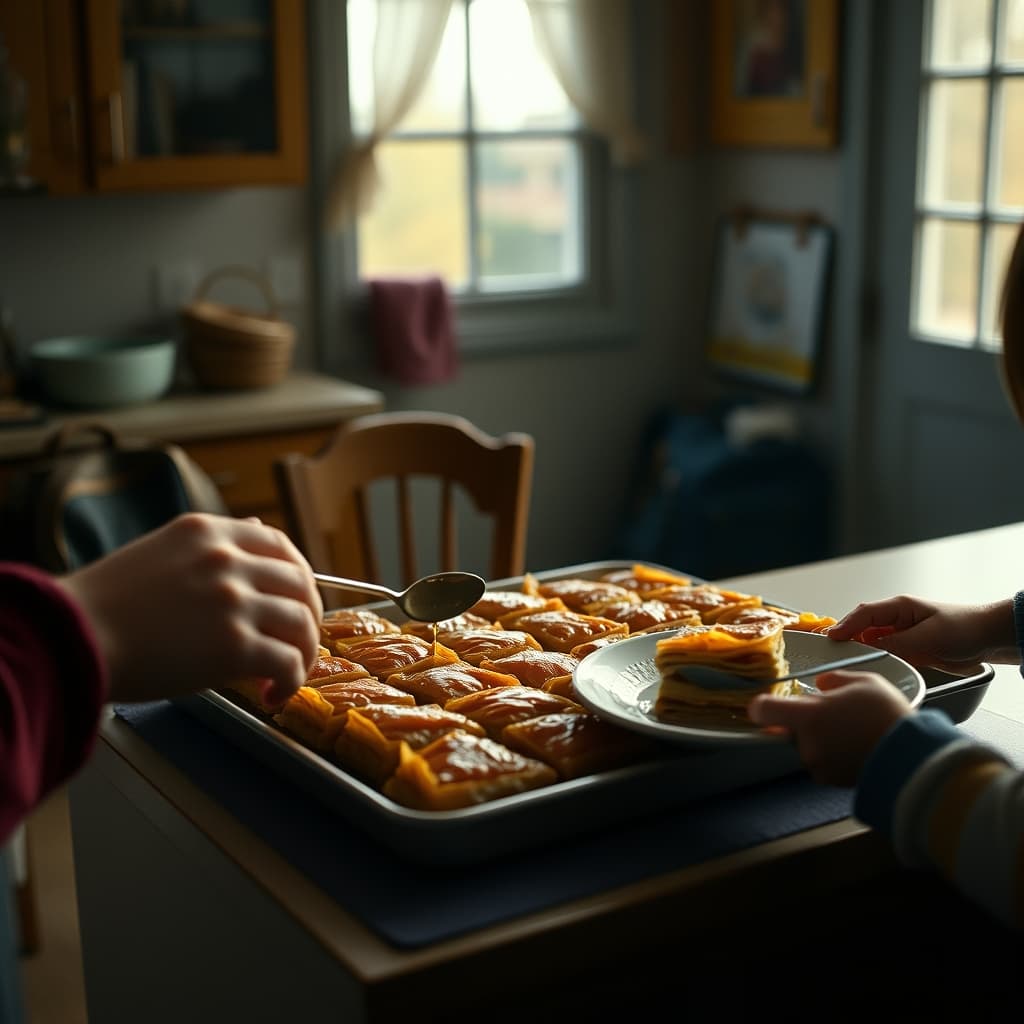
In the late afternoon, a child returning from school sometimes noticed the smell of baklava before the front door itself. Shoes came off in a hurry, the bag was dropped on a chair, and the mix of butter and syrup drifting from the kitchen turned the whole house into quiet anticipation. Thin sheets of dough rested on the counter, the tray fresh from the oven rang faintly on metal, and a familiar voice said, “It’s still hot, wait a little.” Yet for the child, the real drama was not the waiting. It was the privilege carried by the first spoon reaching the plate. When homemade baklava met after-school fatigue, it stopped being an ordinary dessert and became the brightest reward of the day.
Within culinary memory, the place of homemade baklava is defined not only by flavor but by seasonal ritual. Especially during transitions from spring to summer or autumn to winter, baklava prepared at home changed the interior climate of the house. While the weather outside hesitated, dough rolled out, butter melted, and syrup boiled, giving the family a recognizable sense of continuity. Seasonal transitions create slight unrest in people. Days lengthen or shrink, layers of clothing change, school tempo shifts. At such thresholds, a labor-intensive dessert like baklava makes domestic steadiness visible. It says, in effect: everything outside may be changing, but this kitchen still knows how to care.
Its meaning also grows through collective labor. One person arranges walnuts, another carries the sheets, another brushes butter, another slides the tray into the oven with care. Children may remain spectators during preparation, yet they become natural partners in the excitement that follows. The first spoon after school is therefore not only a sign of hunger. It is the meeting point between the morning’s effort in the kitchen and the child returning home. The joy in that first bite comes not only from sweetness, but from the security of knowing that something in the house was made together.
Baklava also marks the family calendar during seasonal change. Before holidays, on unexpectedly cool days, during the first open windows of spring, or in the mild unease of early winter preparations, the tray appears like a sign. It is not only a showpiece for guests. The small portion reserved for the child returning from school expresses everyday affection. The first spoon may aim for the glossy edge where syrup gathers, or for the dense middle layer rich with walnuts. That tiny choice carries the happiness of being known within the family.
Today, many desserts can be bought ready-made, and display windows offer immaculate baklava in every season. Yet the power of homemade baklava comes less from perfect symmetry than from the sounds and scents of preparation at home: the rolling pin on the table, the tray entering the oven, the steam rising when syrup is poured, and the patience of waiting. It gains meaning in seasonal transitions because people need a stable ritual inside while the outer world shifts.
The after-school moment holds a special place in this memory. For a child returning from street noise, homework burdens, crowded transport, or rainy pavements, the baklava waiting in the kitchen becomes a concrete form of homecoming. The first spoon reaches not only toward dessert but toward a protected space. That is why, years later, a similar smell recalls not the recipe first but the hour of entering through the door.
In the end, homemade baklava and the first spoon reaching the plate after school gain even more meaning during seasonal transitions because this dessert does more than feed. It restores a household sense of time. Between its thin layers lie not only butter, walnuts, and syrup, but labor, waiting, and the feeling of being welcomed. Sometimes the sound of a spoon touching a plate is enough to bring back an entire season.
Homemade Baklava and the First Spoon Reaching the Plate After School: Why Does It Gain Even More Meaning in Seasonal Transitions?