
Skip to content

Eski Pano

🇹🇷 Geçmişin güzelliğini keşfedin 🇬🇧 Exploring the beauty of the past 🇧🇷 Explorando a beleza do passado

Menu
  • Hakkımızda | About Us | Sobre Nós
  • İletişim | Contact | Contato
Menu

Esnaf Selamıyla Açılan Sabahlar Günleri: bir Neslin Güven Duygusunu Nasıl Besledi | Mornings Opened with the Shopkeeper’s Greeting: How They Nourished a Generation’s Sense of Security | as Manhãs Que Começavam Com o Cumprimento do Comerciante: Como Alimentaram o Sentimento de Segurança de Uma Geração
Posted on 05/04/2026 by admin

🇹🇷 Türkçe | Kepenk Sesleri Arasında Kurulan Gündelik Güvenin Mahalle Sabahları

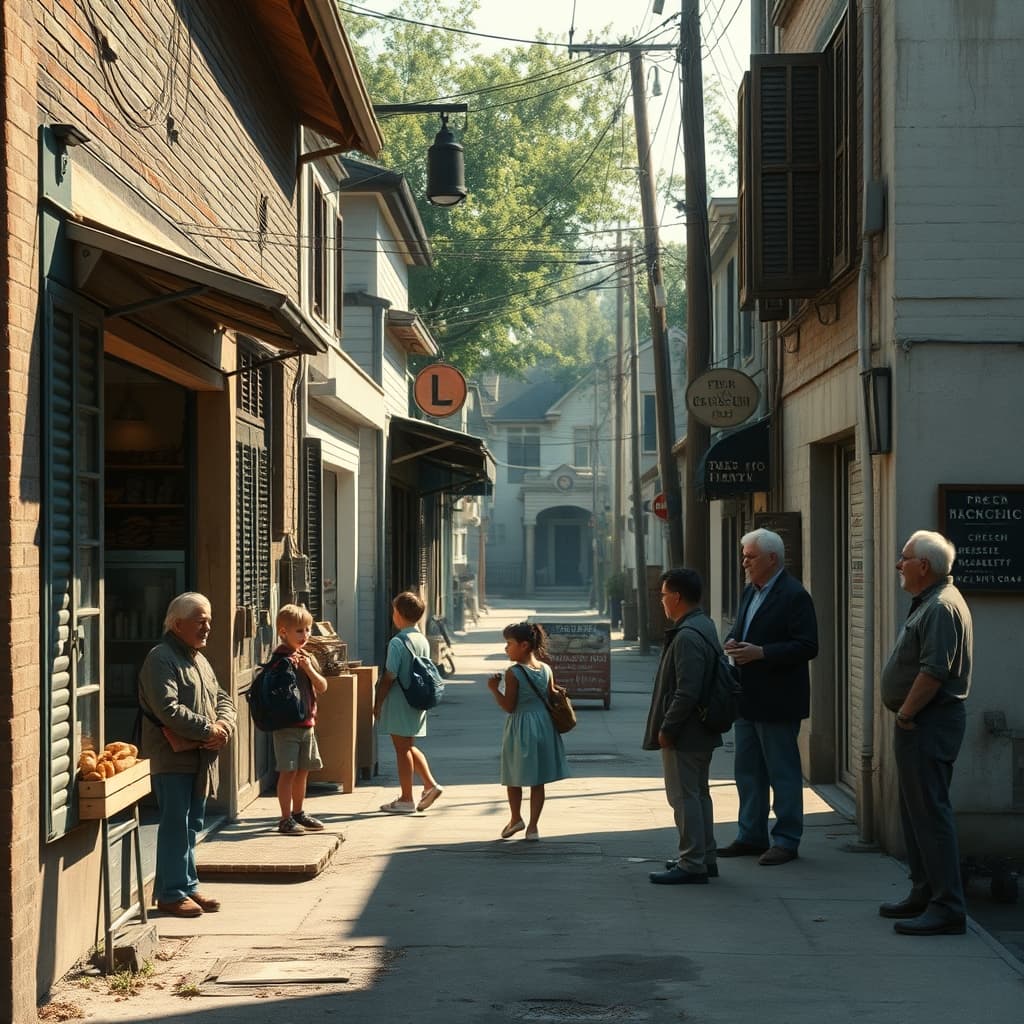
Sabahın erken saatlerinde mahalle henüz tam uyanmamışken ilk duyulan seslerden biri çoğu zaman kepenk açılışı olurdu. Ardından bakkalın süpürgesi kaldırıma değer, fırından taze ekmek kokusu yükselir, manav kasalarını dizerken ilk selamlar havaya karışırdı. Bu sabah düzeninin en önemli yanı alışverişin başlaması değil, günün güven hissiyle açılmasıydı. Çocuk okula giderken köşe başındaki esnafı tanır, anne evden ekmek isterken kime sesleneceğini bilir, yaşlılar sabah yürüyüşünde birkaç dükkân önünde durup hâl hatır sorardı. Mahalle, daha kalabalık olmadan birbirini doğrulayan bakışlarla güne hazırlanırdı.

Mahalle Kültürü içinde esnaf selamı, ekonomik ilişkinin çok ötesinde bir toplumsal bağ taşıyordu. “Günaydın abla”, “okula mı gidiyorsun”, “annen nasıl oldu”, “akşama baban gelirse söyle şu hesabı konuşalım” gibi cümleler, dükkân önünü yalnız satış alanı olmaktan çıkarıp güven üreten küçük bir kamusal mekâna dönüştürürdü. Esnaf, mahallede olup biteni meraktan değil sorumluluk duygusuyla takip ederdi. Kimin çocuğu hangi okulda, kimin annesi rahatsız, kim taşınmayı düşünüyor; bunları bilmek dedikodu malzemesi değil, gündelik dayanışmanın zeminiydi.

Bir neslin güven duygusunu besleyen şey tam da bu öngörülebilir yakınlıktı. Çocuklar için mahallede tanıdık yüzlerin varlığı, sokakta yalnız olmamak demekti. Bakkala bırakılan anahtar, veresiye defterine yazılan küçük hesap, “annen çıkana kadar burada bekle” denilen tabure, güvenin maddi karşılıklarıydı. Şehir büyük ve karmaşık olsa bile mahalle ölçeğinde hayat anlaşılır kalıyordu. Bir dükkân kapısındaki selam, görünüşte kısa bir jest olsa da arkasında tanınma, korunma ve ihtiyaç anında yardım göreceğini bilme duygusu taşıyordu.

Bu kültürün önemli bir yönü de sabahların ritmiydi. Esnaf selamıyla açılan günler aceleci değildi; herkesin birbirini fark edebileceği kadar yavaştı. Simitçi geçerken dükkân önünden bir söz alır, sütçü sokağa girdiğinde pencere aralıkları hareketlenir, okul servisinden önce alınan bir poğaça bile küçük bir sohbetin bahanesi olurdu. Güven, büyük sözlerle değil, tekrar eden küçük karşılaşmalarla kurulurdu. İnsan aynı yüzü her sabah aynı yerde görünce, şehir biraz daha yaşanabilir gelirdi.

Bu sabah düzeni yalnız çocuklar ve anneler için değil, yaşlılar ve yalnız yaşayanlar için de çok kıymetliydi. Birkaç saat görünmeyen komşunun sorulması, dükkân önünden geçmeyen ihtiyarın fark edilmesi, “bugün sizi görmedik” cümlesinin içtenlikle söylenmesi mahallede görünmez bir bakım ağı oluştururdu. Esnaf selamı bu ağın en görünür işaretlerinden biriydi. Resmi kurumların sağlayamayacağı kadar sıcak, aile kadar yoğun olmayan ama ikisinin arasında kurulan bir güven sahasıydı bu.

Bugün zincir mağazalar, hızlı teslimat sistemleri ve anonim kent temposu hayatı kolaylaştırıyor olabilir; ancak kolaylık her zaman aynı güven duygusunu üretmiyor. İnsan artık birçok ihtiyacını kimseyle konuşmadan halledebiliyor, ama bunun karşılığında tanınma hissi azalıyor. Oysa eski mahalle sabahlarında bir çocuğun adını bilen bakkal, mahallenin ritmini çözen manav ve borcu ay sonuna bırakan kasap sadece esnaf değildi; gündelik hayatın sivil dayanaklarıydı.

Sonuçta esnaf selamıyla açılan sabahlar, bir neslin güven duygusunu yalnız beslemedi; ona biçim verdi. Güvenin bazen polis, kamera ya da kilit kadar; hatta onlardan da önce, tanıdık sesler, düzenli karşılaşmalar ve samimi hâl hatırlarla kurulduğunu öğretti. Kepenk sesleri arasında başlayan o sabahlar bugün hatırlandığında, eksikliği yalnız eski dükkânlara değil, görünmeden koruyan bir mahalle düzenine duyulan özlemden kaynaklanıyor.


🇬🇧 English | Neighborhood Mornings Where Everyday Trust Was Built Between the Sounds of Shutters

In the early morning, before the neighborhood was fully awake, one of the first sounds was often the lifting of shop shutters. Then the grocer’s broom brushed the pavement, the smell of fresh bread rose from the bakery, and the first greetings mingled in the air as the greengrocer arranged his crates. What mattered most in this morning order was not merely that commerce had begun, but that the day opened with a sense of security. On the way to school, a child recognized the shopkeepers at the corner. A mother knew whom to call out to when she needed bread. Elderly neighbors paused before a few storefronts on their morning walk to ask after one another. Before the streets became crowded, the neighborhood prepared itself for the day through mutually confirming glances.

Within neighborhood culture, the shopkeeper’s greeting carried a social bond far beyond economics. “Good morning, sister,” “off to school?”, “how is your mother feeling?”, “tell your father we’ll settle the account tonight.” Such phrases turned the front of the shop from a sales zone into a small public place that produced trust. Shopkeepers followed the lives around them not out of idle curiosity but out of responsibility. Whose child attended which school, whose mother was ill, who might be planning to move: these were not only topics of conversation, but the groundwork of daily solidarity.

What nourished a generation’s sense of security was precisely this predictable familiarity. For children, known faces in the neighborhood meant not being alone in the street. A key left with the grocer, a small debt entered into the notebook, a stool offered with “wait here until your mother comes,” these were material forms of trust. Even if the city beyond was large and confusing, life remained legible at the neighborhood scale. A greeting at a shop door looked like a brief gesture, but behind it stood recognition, protection, and the feeling that help would be available if needed.

An important part of this culture was the rhythm of mornings themselves. Days opened by the shopkeeper’s greeting were not rushed. They were slow enough for people to notice one another. A passing simit seller exchanged a word at the storefront, windows stirred when the milkman entered the street, and even the pastry bought before the school bus became an excuse for a short conversation. Trust was not built with grand declarations, but through repeated small encounters. When one saw the same face in the same place every morning, the city became more livable.

This morning order mattered not only to children and mothers, but also to the elderly and to those living alone. If a neighbor had not been seen for a few hours, someone asked. If an old man failed to pass the usual storefront, that absence was noticed. The phrase “we didn’t see you today” could carry genuine care. The shopkeeper’s greeting was one of the most visible signs of this invisible network of maintenance. It created a field of trust warmer than institutions and lighter than family, yet standing somewhere between the two.

Today chain stores, delivery systems, and the anonymous tempo of the city may make life easier, but ease does not always create the same feeling of security. People can now satisfy many needs without speaking to anyone, and in exchange they lose a degree of recognition. In older neighborhood mornings, however, the grocer who knew a child’s name, the greengrocer who understood the area’s rhythm, and the butcher who postponed payment until month’s end were more than merchants. They were civilian supports of everyday life.

In the end, mornings opened by the shopkeeper’s greeting did more than nourish a generation’s sense of security. They gave it shape. They taught that trust may be built not only by locks, cameras, or authority, but earlier and more deeply by familiar voices, recurring encounters, and sincere inquiries after one another. When those mornings are remembered now, the longing is directed not only toward old shops, but toward a neighborhood order that protected people almost invisibly.


🇧🇷 Português (Brasil) | As Manhãs do Bairro em que a Confiança Cotidiana se Formava Entre Sons de Portas de Aço

Nas primeiras horas da manhã, antes de o bairro despertar por completo, um dos sons mais comuns era o das portas de aço subindo. Em seguida, a vassoura do mercadinho tocava a calçada, o cheiro de pão fresco vinha da padaria e os primeiros cumprimentos se misturavam no ar enquanto o hortifruti organizava suas caixas. O mais importante nessa ordem matinal não era apenas o início das compras, mas o fato de o dia começar com sensação de segurança. No caminho para a escola, a criança reconhecia os comerciantes da esquina. A mãe sabia para quem chamar se precisasse de pão. Os idosos, na caminhada matinal, paravam diante de algumas lojas para perguntar das novidades. Antes de a rua encher, o bairro se preparava para o dia por meio desses olhares que se confirmavam mutuamente.

Na cultura de bairro, o cumprimento do comerciante carregava um vínculo social muito maior do que a relação econômica. “Bom dia, menina”, “indo para a escola?”, “como está sua mãe?”, “fala para seu pai que conversamos à noite sobre a conta.” Frases assim faziam da frente da loja mais do que um lugar de venda. Era um pequeno espaço público que produzia confiança. Os comerciantes acompanhavam o que acontecia ao redor não por curiosidade vazia, mas por senso de responsabilidade. Saber onde estudava o filho de alguém, quem estava doente, quem pensava em se mudar não servia apenas para conversa; era base da solidariedade cotidiana.

O que alimentava o sentimento de segurança de uma geração era justamente essa familiaridade previsível. Para as crianças, ter rostos conhecidos no bairro significava não estar sozinhas na rua. A chave deixada no mercadinho, a compra anotada no caderno, o banquinho oferecido com um “espera aqui até sua mãe chegar” eram formas materiais de confiança. Mesmo que a cidade fosse grande e complexa, a vida no tamanho do bairro continuava compreensível. Um cumprimento na porta da loja parecia um gesto breve, mas trazia reconhecimento, proteção e a certeza de que haveria ajuda se necessário.

Uma parte importante dessa cultura estava no ritmo das manhãs. Os dias que começavam com o cumprimento do comerciante não eram apressados. Eram lentos o suficiente para que as pessoas se percebessem. O vendedor de simit passava e trocava algumas palavras na porta da loja, as janelas se mexiam quando o leiteiro entrava na rua, e até o salgado comprado antes do transporte escolar virava motivo para uma conversa curta. A confiança não era construída com grandes discursos, mas por encontros pequenos e repetidos. Quando se vê o mesmo rosto no mesmo lugar todas as manhãs, a cidade fica mais habitável.

Essa ordem matinal era valiosa não só para crianças e mães, mas também para idosos e pessoas que moravam sozinhas. Se um vizinho não aparecia por algumas horas, alguém perguntava. Se o senhor que passava sempre em frente à loja faltava, isso era notado. A frase “hoje não vimos você” podia carregar cuidado verdadeiro. O cumprimento do comerciante era um dos sinais mais visíveis dessa rede invisível de atenção. Criava um campo de confiança mais caloroso do que as instituições e menos intenso do que a família, mas situado entre os dois.

Hoje, redes de lojas, entregas rápidas e o ritmo anônimo da cidade podem facilitar a vida, mas a facilidade nem sempre produz a mesma sensação de segurança. Agora é possível resolver muita coisa sem falar com ninguém, e o preço disso é a perda do reconhecimento. Nas antigas manhãs de bairro, porém, o mercadinho que sabia o nome da criança, o feirante que entendia o compasso da rua e o açougueiro que deixava a conta para o fim do mês eram mais do que comerciantes. Eram apoios civis da vida cotidiana.

No fim, as manhãs abertas pelo cumprimento do comerciante não apenas alimentaram o sentimento de segurança de uma geração. Elas lhe deram forma. Ensinaram que a confiança pode nascer não só de fechaduras, câmeras ou autoridade, mas antes de vozes conhecidas, encontros constantes e perguntas sinceras sobre o outro. Quando essas manhãs são lembradas hoje, a saudade não aponta apenas para lojas antigas, mas para uma ordem de bairro que protegia quase sem ser vista.


Category: Mahalle Kültürü / Neighborhood Culture / Cultura do Bairro

Yazı gezinmesi

← Duvar Halısı ve Elden Ele Geçen Aile Yadigârı Oluşu: Ustalık ve Sabrın İzini Neden Hâlâ Taşıyor | the Wall Tapestry and Its Life as a Family Heirloom Passed from Hand to Hand: Why Does It Still Carry the Trace of Craft and Patience? | A Tapeçaria de Parede E o Fato de Ser Uma Herança de Família Passada de Mão Em Mão: Por Que Ainda Carrega as Marcas da Maestria E da Paciência?
Tahin Pekmezli Kahvaltı: Unutulan Mutfak Alışkanlıklarını Nasıl Geri Çağırıyor ve Eski Mutfak Kültürünü Nasıl Yaşatıyor | Breakfast with Tahini and Molasses: How Does It Recall Forgotten Kitchen Habits and Keep Old Culinary Culture Alive? | Café da Manhã Com Tahine E Melado: Como Ele Faz Voltar Hábitos Esquecidos da Cozinha E Mantém Viva a Antiga Cultura Culinária? →

Bir yanıt yazın Yanıtı iptal et

E-posta adresiniz yayınlanmayacak. Gerekli alanlar * ile işaretlenmişlerdir

🇹🇷 Retro, Tarih ve Nostaljik Hikayeler
🇬🇧 Retro, History & Vintage Stories
🇧🇷 Histórias Retro, Históricas e Vintage

Son Yazılar | Recent Posts | Postagens recentes

  • Tahin Pekmezli Kahvaltı: Unutulan Mutfak Alışkanlıklarını Nasıl Geri Çağırıyor ve Eski Mutfak Kültürünü Nasıl Yaşatıyor | Breakfast with Tahini and Molasses: How Does It Recall Forgotten Kitchen Habits and Keep Old Culinary Culture Alive? | Café da Manhã Com Tahine E Melado: Como Ele Faz Voltar Hábitos Esquecidos da Cozinha E Mantém Viva a Antiga Cultura Culinária?
  • Esnaf Selamıyla Açılan Sabahlar Günleri: bir Neslin Güven Duygusunu Nasıl Besledi | Mornings Opened with the Shopkeeper’s Greeting: How They Nourished a Generation’s Sense of Security | as Manhãs Que Começavam Com o Cumprimento do Comerciante: Como Alimentaram o Sentimento de Segurança de Uma Geração
  • Duvar Halısı ve Elden Ele Geçen Aile Yadigârı Oluşu: Ustalık ve Sabrın İzini Neden Hâlâ Taşıyor | the Wall Tapestry and Its Life as a Family Heirloom Passed from Hand to Hand: Why Does It Still Carry the Trace of Craft and Patience? | A Tapeçaria de Parede E o Fato de Ser Uma Herança de Família Passada de Mão Em Mão: Por Que Ainda Carrega as Marcas da Maestria E da Paciência?
  • Dia Projektörü Başında Geçen Saatler: Analog Çağın Unutulmayan Heyecanını Anlatıyor | the Hours Spent Beside the Slide Projector: They Tell the Unforgotten Excitement of the Analog Age | as Horas Passadas Diante do Projetor de Slides: Elas Contam a Emoção Inesquecível da Era Analógica
  • Sokak Lambalarının Altında Büyüyen Anılarda Mahallenin İlk Apartmanlarının Eski Komşuluk Düzenini Değiştirdiği Dönem: Unutulan Ayrıntılarıyla Bize ne Söylüyor Çiçek Kokulu Sokaklar | In Memories Raised Beneath Streetlights, the Era When the Neighborhood’s First Apartment Buildings Changed the Old Order of Neighborliness: What do Flower-Scented Streets Tell Us Through Their Forgotten Details? | Nas Memórias Criadas Sob Os Postes de Luz, a Época Em Que Os Primeiros Prédios do Bairro Mudaram a Antiga Ordem da Vizinhança: O Que as Ruas Com Cheiro de Flores Nos Dizem Em Seus Detalhes Esquecidos?

Son Yorumlar | Recent Comments | Comentários recentes

  1. SheilaWex - Seramik Sürahi ve Gündelik Kullanımın İçinde Görünmeden Bıraktığı İz: bir Dönemin Zevk Anlayışını Nasıl Yansıttı | the Ceramic Pitcher and the Trace İt Left Almost İnvisibly in Everyday Use: How İt Reflected an Era’s Sense of Taste | A Jarra de Cerâmica E o Rastro Quase İnvisível Que Deixou No Uso Cotidiano: Como Refletiu o Senso de Gosto de Uma Época
  2. Susiewedia - Seramik Sürahi ve Gündelik Kullanımın İçinde Görünmeden Bıraktığı İz: bir Dönemin Zevk Anlayışını Nasıl Yansıttı | the Ceramic Pitcher and the Trace İt Left Almost İnvisibly in Everyday Use: How İt Reflected an Era’s Sense of Taste | A Jarra de Cerâmica E o Rastro Quase İnvisível Que Deixou No Uso Cotidiano: Como Refletiu o Senso de Gosto de Uma Época
  3. SheilaWex - Seramik Sürahi ve Gündelik Kullanımın İçinde Görünmeden Bıraktığı İz: bir Dönemin Zevk Anlayışını Nasıl Yansıttı | the Ceramic Pitcher and the Trace İt Left Almost İnvisibly in Everyday Use: How İt Reflected an Era’s Sense of Taste | A Jarra de Cerâmica E o Rastro Quase İnvisível Que Deixou No Uso Cotidiano: Como Refletiu o Senso de Gosto de Uma Época
  4. Susiewedia - Seramik Sürahi ve Gündelik Kullanımın İçinde Görünmeden Bıraktığı İz: bir Dönemin Zevk Anlayışını Nasıl Yansıttı | the Ceramic Pitcher and the Trace İt Left Almost İnvisibly in Everyday Use: How İt Reflected an Era’s Sense of Taste | A Jarra de Cerâmica E o Rastro Quase İnvisível Que Deixou No Uso Cotidiano: Como Refletiu o Senso de Gosto de Uma Época
  5. GregoryLossy - Seramik Sürahi ve Gündelik Kullanımın İçinde Görünmeden Bıraktığı İz: bir Dönemin Zevk Anlayışını Nasıl Yansıttı | the Ceramic Pitcher and the Trace İt Left Almost İnvisibly in Everyday Use: How İt Reflected an Era’s Sense of Taste | A Jarra de Cerâmica E o Rastro Quase İnvisível Que Deixou No Uso Cotidiano: Como Refletiu o Senso de Gosto de Uma Época

Arşivler | Archives | Arquivos

  • Nisan 2026
  • Mart 2026
  • Şubat 2026

Kategoriler | Categories | Categorias

  • Damak Hafızası / Taste of Memory / Memória do Paladar
  • Mahalle Kültürü / Neighborhood Culture / Cultura do Bairro
  • Obje Hikayeleri / Object Stories / Histórias de Objetos
  • Teknoloji Mirası / Tech Heritage / Herança Tecnológica
  • Zamanın İzinde / Traces of Time / Trilhas do Tempo
eskipano.com'da yer alan bilgi, yorum ve değerlendirmeler yatırım danışmanlığı kapsamında değildir. Yatırım danışmanlığı hizmeti; aracı kurumlar, portföy yönetim şirketleri, mevduat kabul etmeyen bankalar ve yatırımcı arasında imzalanacak sözleşme çerçevesinde sunulmaktadır.

Sitede paylaşılan içerikler genel bilgilendirme amacı taşımakta olup, bunları hazırlayanların kişisel görüş ve değerlendirmelerine dayanabilir. Bu içerikler, ziyaretçilerin mali durumu ile risk ve getiri tercihleri dikkate alınarak hazırlanmış özel öneriler niteliğinde değildir. Bu nedenle yalnızca burada yer alan bilgi, yorum ve değerlendirmelere dayanılarak yatırım kararı verilmesi, beklentilere uygun sonuçlar doğurmayabilir.

eskipano.com üzerinde yayımlanan bazı içeriklerde reklam, sponsorluk, tanıtım, iş birliği, bağlı kuruluş bağlantıları (affiliate links) veya ticari yönlendirmeler yer alabilir. Bu tür içerikler, ilgili durumun niteliğine göre açıkça belirtilmeye çalışılsa da, kullanıcıların sitede yer alan her içeriği kendi değerlendirmeleri çerçevesinde incelemesi tavsiye edilir. Reklam, sponsorluk veya benzeri ticari unsurlar içeren içerikler, hiçbir şekilde kesin tavsiye, garanti ya da taahhüt anlamına gelmez.

eskipano.com'da yayımlanan içeriklerde doğruluk ve güncellik konusunda azami özen gösterilmekle birlikte, sitede yer alan bilgi ve verilerde oluşabilecek hata, eksiklik, gecikme ya da farklılıklardan; ayrıca bu bilgilerin kullanılması veya kullanılmaması nedeniyle ortaya çıkabilecek doğrudan ya da dolaylı zararlardan, kar kaybından veya üçüncü kişilerin uğrayabileceği zararlardan site yönetimi sorumlu tutulamaz.
  • Gizlilik Politikası | Privacy Policy | Política de Privacidade
  • Hakkımızda | About Us | Sobre Nós
  • İletişim | Contact | Contato
  • Site Haritası | Sitemap | Mapa do site
© 2026 Eski Pano | Powered by Minimalist Blog WordPress Theme