🇹🇷 Türkçe | Delikli Kâğıtların Müziği: Şeritli Yazıcının Evde Kurduğu Ortak Merak
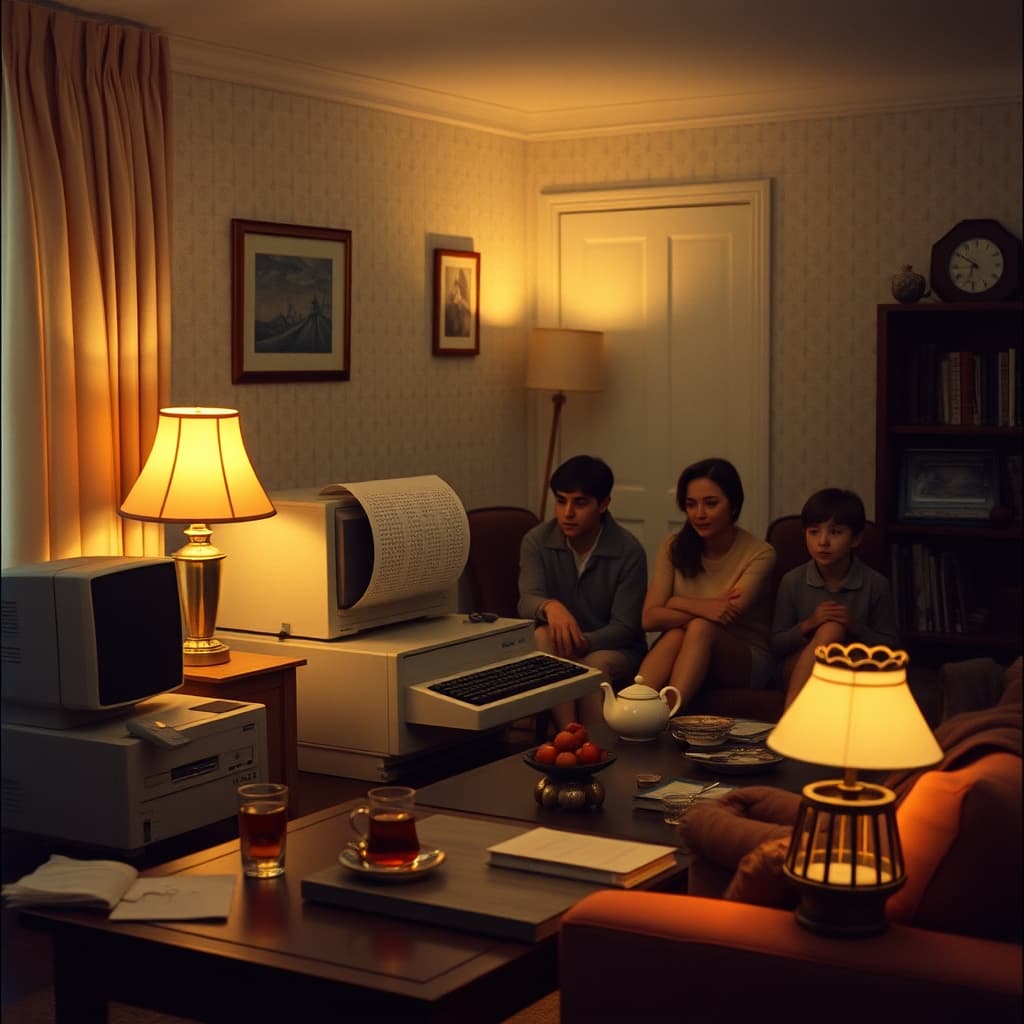
Bir zamanlar evde teknoloji sesi, bildirim tonu değil şeritli yazıcının metalik ritmiydi. Akşam yemeği toplanmış, çaylar demlenmiş, salonun bir köşesine yerleştirilen bilgisayar masasının etrafında aile yavaş yavaş toplanmış olurdu. Monitörde yanıp sönen yeşil satırlar kadar, yazıcının yanlarında delikler bulunan uzun kâğıdı çekişi de merak uyandırırdı. “Başladı mı?”, “Kaç sayfa sürecek?”, “Adım doğru yazıldı mı?” gibi soruların arasında iğne kafasının ileri geri vuruşları, evin içinde küçük bir tören gibi yankılanırdı. O ses, yalnızca çıktı almak demek değildi; dijitalle ilk tanışmanın heyecanını ailece paylaşmak demekti.
Şeritli yazıcılar teknik olarak kusursuz değildi, ama tam da bu yüzden unutulmazdı. Mürekkep şeridi bazen soluk basar, kâğıt bazen yamuk ilerler, satırlar bir noktada hafif kayardı. Yine de herkes yazıcının başında sabırla beklerdi; çünkü bir belgenin adım adım ortaya çıkışını görmek, sonuca bir emek duygusu katardı. Bugün tek tıkla çıkan dosyaların aksine, o dönemde çıktı almak bir süreçti: kâğıdı kenardaki deliklerden makaraya geçirmek, üst sayfayı hizalamak, doğru komutu vermek, yanlış olursa baştan başlamak. Bu süreç evdeki çocuklara yalnız teknoloji merakı değil, dikkat ve tekrarın değerini de öğretirdi.
Salonda toplanan ailelerin sessiz heyecanı biraz da içeriğin kendisinden doğardı. Kimi zaman okul ödevi, kimi zaman iş yerinden getirilen tablo, kimi zaman da ilk kez yazdırılan bir aile takvimi kâğıttan çıkardı. Babalar satır satır kontrol eder, anneler “bir kopya da dosyaya koyalım” der, kardeşler alt kenardaki delikli şeritleri koparmak için gönüllü olurdu. O delikli kenarları çekip düzgün bir çizgiyle ayırmak bile neredeyse bir çocukluk oyunu gibiydi. Teknoloji, salonun bir köşesinde bireysel bir cihaz olarak durmaz; aile içi bir ortak etkinliğe dönüşürdü. Bu yüzden şeritli yazıcı, ekranın uzantısı olmaktan çok ev içi iletişimin yeni bir diliydi.
Bu alışkanlığın unutulmamasının önemli nedeni, çıktının kalıcılığıdır. İnce beyaz kâğıtta nokta nokta basılmış harfler, dönemin estetiğini taşıyan fiziksel izler bıraktı. Karne hesapları, dilekçeler, mektuplar, hatta çocukların yaptığı küçük hikâye denemeleri dosyalarda yıllarca saklandı. Her sayfada yazıcının ritmi hissedilir: hafif titreşim izi, satır sonlarındaki mekanik düzen, üstte ve altta bırakılan paylar. Dolayısıyla şeritli yazıcı günleri sadece teknik bir geçiş dönemi değil; evlerin belge kültürünü, arşiv alışkanlığını ve “yazılı olanın ciddiyeti” duygusunu şekillendiren bir eşikti.
Bugün yazıcı sesi neredeyse görünmezleşti, cihazlar küçüldü, çıktılar dijital klasörlere çekildi. Fakat pek çok insan için delikli kâğıdın sürtünme sesi hâlâ çocukluk akşamlarını çağırıyor. Çünkü o günlerde teknoloji tüketilen bir hız değil, birlikte izlenen bir süreçti. Şeritli yazıcının unutulmayan tarafı da burada: Sonucun kendisinden çok, sonucu beklerken aynı odada kurulan aile ritmi. Salonda toplanıp bir sayfanın satır satır doğuşunu izlemek, bir kuşağa hem teknolojiyi hem de ortak dikkat kültürünü öğretti.
🇬🇧 English | The Music of Perforated Paper: Shared Curiosity Built by Dot-Matrix Printers at Home
There was a time when the sound of technology at home was not a notification chime but the metallic rhythm of a dot-matrix printer. Dinner had ended, tea was poured, and family members slowly gathered around the desk in one corner of the living room. Green lines blinking on the monitor were intriguing, yet the real suspense came from the long continuous paper with perforated edges moving through the printer. “Has it started?”, “How many pages?”, “Is my name spelled right?” Questions floated while the print head struck left and right like a tiny machine orchestra. That sound meant more than producing a document. It meant sharing the first emotional encounter with digital life as a household.
Dot-matrix printers were not perfect devices, and that is exactly why they remain memorable. Ribbon ink could print faintly, paper could feed unevenly, lines might shift slightly after a few pages. Still, everyone waited near the machine with patience because watching a document appear line by line gave the result a sense of labor. Unlike today’s one-click prints, output then was a process: fitting paper holes into tractor feeds, aligning the first line, entering commands carefully, restarting if something failed. Through that process, children learned more than technical curiosity; they learned the value of focus, repetition, and method.
The quiet excitement of families gathering in the living room also came from what was being printed. Sometimes it was homework, sometimes a spreadsheet brought from work, sometimes a family schedule printed for the first time. Fathers checked lines one by one, mothers said, “Let’s keep an extra copy in the folder,” and siblings volunteered to tear off the perforated side strips. Pulling those strips cleanly felt almost like a game of childhood precision. Technology did not remain an individual machine in the corner. It became a shared domestic activity. In that sense, the dot-matrix printer was less an accessory to the screen and more a new language inside family communication.
One major reason this habit was never forgotten is the physical permanence of the output. Letters printed as tiny dots on thin white paper left a material trace of the era. Grade calculations, petitions, letters, and early storytelling attempts by children stayed in folders for years. Each page carried the machine’s rhythm: subtle vibration marks, mechanical line endings, wide top and bottom margins. Dot-matrix days were therefore not merely a technical transition. They were a turning point in household documentation culture, archiving habits, and the seriousness attached to “what is written and printed.”
Today printer sounds are almost invisible, devices are smaller, and outputs disappear into digital folders. Yet for many people, the friction sound of perforated paper still brings back childhood evenings. In those years technology was not a speed to consume; it was a process to witness together. That is why the habit remains unforgettable: less because of the final page, more because of the family rhythm formed while waiting for it. Watching a sheet come to life line by line in the living room taught a generation both technology and the culture of shared attention.
🇧🇷 Português (Brasil) | A Música do Papel Perfurado: A Curiosidade Coletiva Criada pela Impressora Matricial em Casa
Houve um tempo em que o som da tecnologia em casa não era toque de notificação, mas o ritmo metálico da impressora matricial. O jantar já tinha terminado, o chá estava servido, e a família ia se reunindo ao redor da mesa do computador num canto da sala. As linhas verdes piscando no monitor chamavam atenção, mas a maior expectativa vinha do papel contínuo com laterais perfuradas sendo puxado pela máquina. “Começou?”, “Vai dar quantas páginas?”, “Meu nome saiu certo?” As perguntas circulavam enquanto o cabeçote batia de um lado para o outro como uma pequena orquestra mecânica. Esse som significava mais do que imprimir um documento. Significava compartilhar, em família, o primeiro encanto com a vida digital.
As impressoras matriciais não eram perfeitas, e justamente por isso ficaram na memória. A fita podia imprimir fraco, o papel podia entrar torto, e as linhas às vezes saíam levemente deslocadas. Mesmo assim, todos esperavam com paciência ao lado da máquina, porque ver o texto nascer linha por linha dava ao resultado um valor de esforço. Diferente da impressão de um clique de hoje, naquele período imprimir era um processo: encaixar os furos do papel no trator, alinhar a primeira linha, digitar o comando certo, recomeçar se algo desse errado. Nesse caminho, as crianças aprendiam não só curiosidade técnica, mas também foco, repetição e método.
A empolgação silenciosa da família reunida na sala também vinha do conteúdo impresso. Às vezes era tarefa escolar, às vezes uma planilha trazida do trabalho, às vezes o primeiro calendário da casa saindo no papel. Pais conferiam linha por linha, mães diziam “guarda uma cópia na pasta”, irmãos disputavam quem arrancaria as laterais perfuradas. Tirar essas faixas com um corte limpo parecia até brincadeira de precisão infantil. A tecnologia deixava de ser um aparelho individual num canto e virava atividade coletiva dentro de casa. Nesse sentido, a impressora matricial era menos extensão da tela e mais uma nova linguagem da convivência familiar.
Um motivo forte para esse hábito nunca ter sido esquecido é a permanência física da impressão. Letras formadas por pontos sobre papel fino branco deixaram um traço material da época. Cálculos de boletim, requerimentos, cartas e pequenas histórias escritas por crianças ficaram guardados por anos em pastas. Cada folha carregava o ritmo da máquina: marcas sutis de vibração, final mecânico das linhas, margens largas no alto e embaixo. Os dias da matricial, portanto, não foram apenas uma transição técnica. Foram um marco na cultura doméstica de documentação, no hábito de arquivar e na seriedade atribuída ao que estava “escrito e impresso”.
Hoje o som da impressora quase desapareceu, os aparelhos encolheram e os arquivos foram para pastas digitais. Mesmo assim, para muita gente, o ruído do papel perfurado ainda acende lembranças de noites de infância. Naquele tempo, tecnologia não era velocidade para consumir; era processo para observar junto. Por isso o hábito permanece inesquecível: menos pela folha pronta, mais pelo ritmo familiar construído durante a espera. Ver uma página nascer linha por linha na sala ensinou uma geração a lidar com tecnologia e, ao mesmo tempo, com atenção compartilhada.