 Eski Pano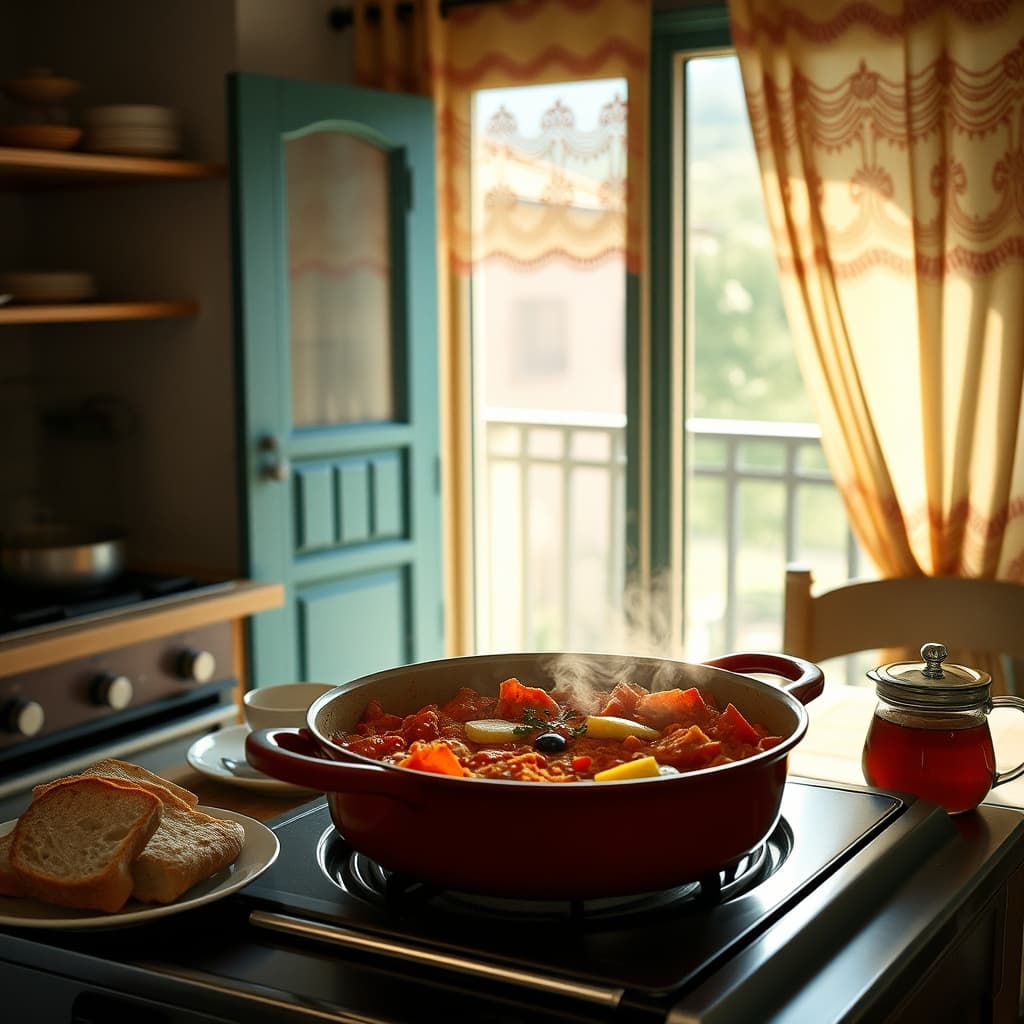
Summer menemen began with tomatoes that tasted of the season rather than with a single universal recipe. Ripe fruit arrived from a market stall, garden, or travelling seller, carrying differences in sweetness, acidity, water, and texture. In the kitchen, someone washed and cut the tomatoes, prepared peppers, warmed the pan, and judged when the mixture had cooked enough to receive the eggs. A child waiting with bread often remembered the aroma and impatience more clearly than the measurements.
The dish has many household and regional versions. Onion may be essential in one kitchen and unacceptable in another. Some cooks peel or grate tomatoes; others retain pieces. Eggs can be stirred fully into the sauce, folded lightly, or left partly distinct. Butter, oil, pepper varieties, seasoning, cheese, or cured meat may appear according to place, budget, and preference. Calling one version the only authentic menemen turns a living food culture into a false rule.
The Pan Required Attention
Watery tomatoes needed time for excess liquid to reduce, but aggressive heat could flatten their fresh character or scorch the base. Peppers softened at a different pace. Eggs changed quickly once added, so the cook balanced residual heat with the desired consistency. The familiar pan was practical as well as symbolic: its width, material, and seasoning influenced evaporation and browning. Experience appeared in small decisions rather than exact minutes.
Kitchen labour surrounded the appealing final image. Produce had to be bought, carried, washed, and trimmed. Bread was sliced, tea prepared, the table cleared, and the pan scrubbed. Heat from the stove made summer cooking uncomfortable. A truthful memory credits the person who performed these tasks and does not reduce care to effortless hospitality.
Arguments at the Table Kept the Recipe Alive
The onion question, often treated as a contest, can instead reveal how recipes establish belonging. People defend the taste learned at home because it confirms family habit. A guest’s version opens another geography. The useful historical question is not who finally wins, but when ingredients were available, how prices and equipment shaped the dish, and why a particular method became normal in one household.
Bread made the pan communal. Pieces gathered sauce from the edge, and people negotiated the last portion with gestures understood around the table. This closeness also required food care. Eggs should be handled and cooked with attention to current safety guidance, utensils kept clean, and leftovers cooled promptly rather than held for long periods in summer warmth.
Recording a Taste Without Freezing It
A food archive can document several versions side by side. Record ingredient names, approximate quantities, tomato type, pan, heat source, order of cooking, and the cook’s sensory cues. Photograph preparation as well as the finished dish. Ask who taught the method and whether it changed after migration, new appliances, dietary needs, or access to different produce. Such details protect variation instead of forcing families into a standard.
The first mouthful of summer menemen can return childhood because taste gathers season, room, voices, and expectation at once. Its cultural value does not depend on proving an ancient or exclusive origin. It lives in repeated practice and informed disagreement. When recipes, labour, local produce, and table manners are documented together, the memory remains generous enough to include both the pan one grew up with and the equally sincere pan cooked next door.