
Skip to content

Eski Pano

🇹🇷 Geçmişin güzelliğini keşfedin 🇬🇧 Exploring the beauty of the past 🇧🇷 Explorando a beleza do passado

Menu
  • Hakkımızda | About Us | Sobre Nós
  • İletişim | Contact | Contato
Menu

Dia Projektörü Başında Geçen Saatler: Analog Çağın Unutulmayan Heyecanını Anlatıyor | the Hours Spent Beside the Slide Projector: They Tell the Unforgotten Excitement of the Analog Age | as Horas Passadas Diante do Projetor de Slides: Elas Contam a Emoção Inesquecível da Era Analógica
Posted on 05/04/2026 by admin

🇹🇷 Türkçe | Kararan Perdede Büyüyen Renkli Karelerin Ev İçindeki Töreni

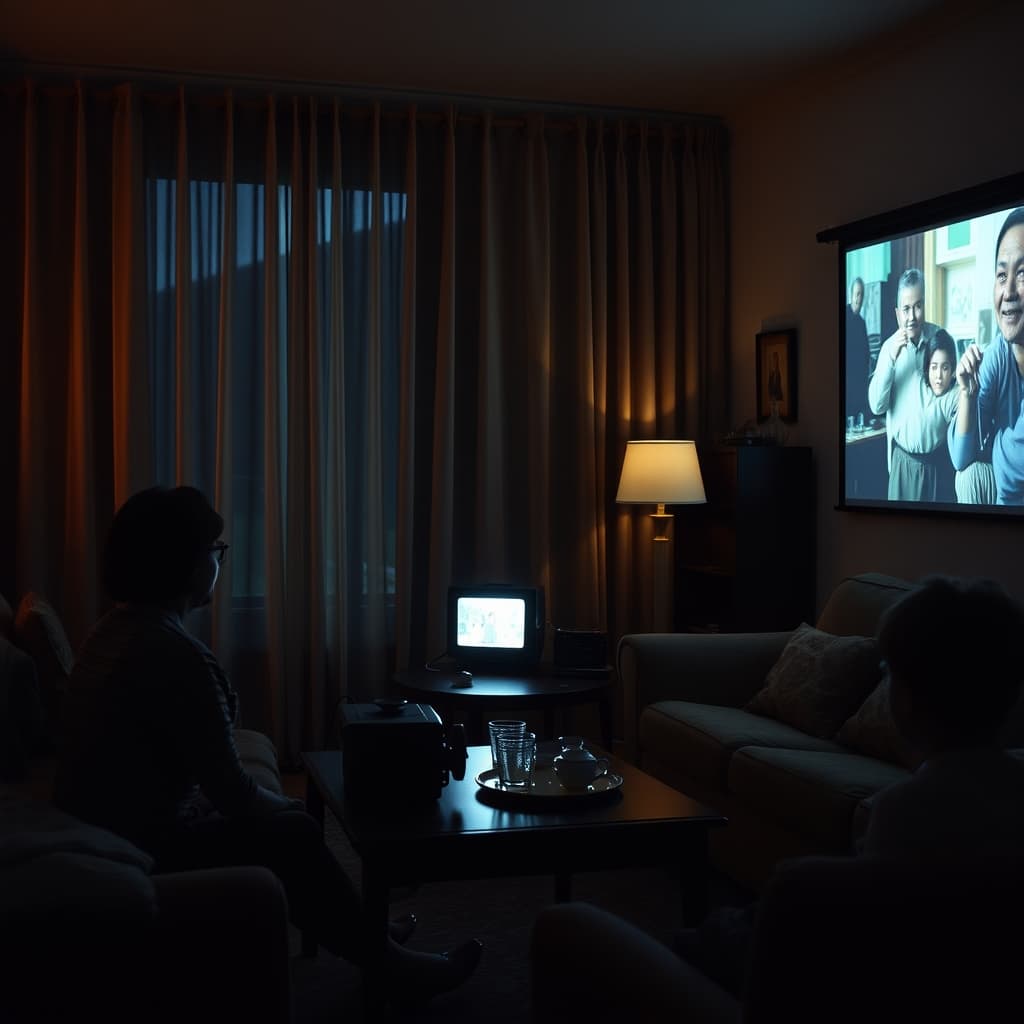
Akşam yavaş yavaş inerken salonun perdeleri biraz daha sıkı çekilir, masanın üstüne dikkatle yerleştirilen dia projektörü evin en ciddi eşyalarından biri gibi davranılırdı. O cihazın başında geçirilen saatlerde sıradan bir aile buluşması bile küçük bir seyir törenine dönüşürdü. Lambanın ısınmasını beklemek, çerçevelenmiş slaytları sıraya dizmek, makinenin içinden gelen hafif mekanik tıkırtıyı duymak ve duvara yansıyan ilk rengin ortaya çıkışını izlemek; bütün bunlar analog çağın heyecanını yalnız göstermiyor, adeta elle tutulur hâle getiriyordu. O an, hatıralar bir albüm sayfasından çıkar, odaya ışıkla yayılırdı.

Teknoloji Mirası açısından dia projektörü, ev içi hafıza teknolojilerinin en şiirli örneklerinden biriydi. Fotoğraf makinesinde çekilmiş karelerin banyo edilmesi, karton çerçevelere yerleştirilmesi ve sonra karanlık bir odada tek tek gösterilmesi, bugünün dijital kaydırma alışkanlığından çok farklı bir sabır ve hazırlık gerektirirdi. Her görüntüye birkaç saniye değil, çoğu zaman birkaç dakika ayrılırdı. Çünkü ekrana yansıyan şey sadece bir manzara değildi; o günün hikâyesi, kimlerin orada olduğu, çekim anında ne yaşandığı ve fotoğrafın çekilmesinden sonra hayatın nasıl devam ettiği de o kareye eşlik ederdi.

Dia projektörünün unutulmayan heyecanı biraz da belirsizliğinden gelirdi. Slaytlar ters mi takıldı, görüntü netleşecek mi, perdeye düşen renk beklenenden daha soluk mu olacak, bir önceki yaz tatilinden kalan karelerde kim hangi yaşta görünecek? Cihazın merceği çevrildikçe görüntünün berraklaşması, neredeyse hafızanın da odak bulmasına benzerdi. Her tık sesiyle yeni bir kare gelir, odadaki herkes küçük bir duraksamayla o görüntünün hangi zamana ait olduğunu anlamaya çalışırdı. Bu sessiz dikkat, teknolojinin aile içindeki toplu deneyimlerinden birini yaratıyordu.

Bu törenin ev içi düzenle güçlü ilişkisi vardı. Sehpanın yeri değişir, çocuklara kablolara dikkat etmeleri söylenir, bazen beyaz çarşaf duvara gerilir, bazen doğrudan krem rengi perde bir gösterim yüzeyine dönüşürdü. Çekirdek, çay ya da meyve tabağıyla oturulan bu saatler, yalnız görüntü seyretme değil birlikte hatırlama pratiğiydi. Birinin “bu senin ilk okul gezindi” demesi, bir başkasının fotoğraf karesinin dışında kalan ayrıntıyı anlatması, sahnenin bir anda genişlemesine yol açardı. Görüntü duvarda sabit dursa da anlatı odanın içinde büyürdü.

Analog çağın heyecanını güçlü kılan bir başka unsur da erişimin sınırlı oluşuydu. Her anın görüntülenmediği, her çekilen fotoğrafın hemen görülmediği bir dünyada slayt gösterisi beklenen bir olaydı. Yeni banyo edilen dia kutusu eve geldiğinde açılması bile dikkat gerektirirdi. Hangi karelerin iyi çıktığı, hangilerinin ışık aldığı, hangisinde gülüşün tam yakalandığı ancak o akşam öğrenilirdi. Bu gecikmiş görme hâli, anıya ikinci bir zaman kazandırırdı. Olay önce yaşanır, sonra saklanır, daha sonra yeniden topluca görülürdü.

Bugün ekranlar sayısız görüntüyü zahmetsizce önümüze getiriyor; fakat kolaylık, eskisinin törensel yoğunluğunu taşımıyor. Dia projektörü başında geçen saatlerde insan yalnız geçmişi izlemiyordu, teknolojinin çalışmasına da tanıklık ediyordu. Cihazın ısınması, fan sesi, slayt değiştirici kol, ışığın mercekten geçişi; bunların hepsi gösterimin parçasıydı. Teknoloji görünmez bir servis değil, evin ortasında çalışan bir düzenekti. Çocuklar için bu, hem görüntü büyüsü hem de küçük bir mühendislik merakıydı.

Bu yüzden dia projektörü başındaki saatler hâlâ unutulmuyor. Çünkü onlar bize analog çağın sadece teknik sınırlamalarını değil, dikkat ekonomisini de anlatıyor. Az sayıda kareye daha uzun bakılan, birlikte seyretmenin ev içi bir ritüele dönüştüğü ve hatıranın ancak ışıkla duvarda belirince tamamlandığı bir zamandan söz ediyoruz. Renkli kareler kararan perdeye düştüğünde, aile yalnız geçmişi görmezdi; kendi ortak zamanını da yeniden kurardı.


🇬🇧 English | The Domestic Ritual of Colored Frames Growing on a Darkened Screen

As evening slowly descended, the curtains in the sitting room were drawn tighter and the slide projector placed carefully on the table as if it were one of the household’s most serious objects. In the hours spent beside that machine, even an ordinary family gathering turned into a small ceremony of spectatorship. Waiting for the lamp to warm, arranging the mounted slides in order, hearing the faint mechanical clicks from inside the projector, and watching the first burst of color appear on the wall made the excitement of the analog age almost tangible. In that moment, memories stepped out of the album and spread through the room as light.

From the perspective of technology heritage, the slide projector was one of the most poetic memory devices of domestic life. Photographs first had to be taken, then developed, then placed into cardboard mounts, and only afterward shown one by one in a darkened room. This demanded a patience and preparation very different from today’s digital swiping. Each image received not seconds but often minutes of attention. What appeared on the wall was never just a landscape or portrait. It carried the story of that day, who had been present, what happened around the camera, and how life went on after the shutter clicked.

Part of the projector’s unforgettable thrill came from uncertainty. Had the slide been inserted upside down? Would the picture sharpen fully? Would the color on the screen look dimmer than expected? How old would everyone appear in the scenes from last summer? As the lens was turned and the image came into focus, it felt almost as though memory itself were finding clarity. With every click a new frame arrived, and the room paused briefly while everyone tried to place that moment in time. That shared concentration created one of the most distinctive collective experiences of household technology.

The ritual was closely tied to the arrangement of the room itself. The coffee table was moved, children were warned not to step on the cables, sometimes a white sheet was stretched across a wall, and sometimes the cream-colored curtain became the screen. People sat with tea, fruit, or sunflower seeds and did more than watch images. They practiced remembering together. Someone would say, “That was your first school trip,” while someone else supplied a detail outside the frame, widening the scene all at once. The image stayed fixed on the wall, but the story expanded inside the room.

Another reason the analog excitement ran so deep was scarcity. In a world where not every moment was photographed and where images could not be seen immediately, a slide evening became an awaited event. When a newly developed box of slides arrived home, even opening it required care. Which images had turned out well, which had caught too much light, which one had captured a laugh at just the right second could only be discovered that evening. This delayed act of seeing gave memory a second time. First the event was lived, then stored, and only later viewed together.

Today screens bring endless images before us with ease, yet convenience rarely carries the same ceremonial intensity. During the hours beside the slide projector, people were not only watching the past. They were also witnessing technology at work. The warming bulb, the fan, the slide-changing lever, the path of light through the lens, all formed part of the event. Technology was not an invisible service. It was a mechanism operating in the center of the home. For children, this was both visual magic and an invitation to engineering curiosity.

That is why the hours spent by the slide projector remain unforgettable. They tell us not only about the technical limits of the analog era, but also about its economy of attention. It was a time when fewer images were seen more deeply, when watching together became a domestic ritual, and when memory felt complete only once it appeared in light on the wall. When those colored frames landed on the darkened screen, the family did not merely see the past. It rebuilt its shared time.


🇧🇷 Português (Brasil) | O Ritual Doméstico dos Quadros Coloridos Crescendo na Tela Escurecida

À medida que a noite caía devagar, as cortinas da sala eram fechadas com mais cuidado e o projetor de slides era colocado sobre a mesa como se fosse um dos objetos mais importantes da casa. Nas horas passadas diante daquele aparelho, até uma reunião comum da família se transformava numa pequena cerimônia de contemplação. Esperar a lâmpada aquecer, organizar os slides na ordem certa, ouvir os estalos mecânicos vindos da máquina e ver a primeira cor surgir na parede tornava a emoção da era analógica quase palpável. Naquele instante, as lembranças saíam do álbum e se espalhavam pelo quarto em forma de luz.

Do ponto de vista do patrimônio tecnológico, o projetor de slides foi uma das tecnologias domésticas de memória mais poéticas. As fotos precisavam ser tiradas, reveladas, colocadas em molduras de papelão e só então mostradas, uma a uma, num ambiente escurecido. Isso exigia uma paciência e uma preparação muito diferentes do gesto digital de deslizar a tela. Cada imagem recebia não alguns segundos, mas muitas vezes minutos inteiros. O que aparecia na parede nunca era só uma paisagem ou um retrato. Vinham junto a história daquele dia, quem estava ali, o que aconteceu no momento do clique e como a vida seguiu depois.

Parte da emoção inesquecível vinha também da incerteza. O slide tinha sido colocado de cabeça para baixo? A imagem ia ficar realmente nítida? A cor surgiria mais apagada do que o esperado? Quantos anos todos pareciam ter nas cenas do verão passado? À medida que a lente era ajustada e o quadro ganhava foco, era como se a própria memória encontrasse clareza. A cada clique, um novo quadro surgia, e todos na sala faziam uma pequena pausa para reconhecer em que momento do tempo aquilo pertencia. Essa atenção compartilhada criava uma das experiências coletivas mais fortes da tecnologia dentro de casa.

O ritual tinha relação direta com a arrumação do espaço doméstico. A mesinha mudava de lugar, as crianças eram avisadas para não pisar nos fios, às vezes um lençol branco era preso à parede, às vezes a própria cortina clara virava tela. As pessoas se sentavam com chá, frutas ou sementes e faziam mais do que ver imagens. Lembravam juntas. Alguém dizia: “essa foi sua primeira excursão da escola”, e outra pessoa acrescentava um detalhe fora do enquadramento, fazendo a cena crescer. A imagem permanecia parada na parede, mas a narrativa se expandia pela sala.

Outro motivo para a emoção analógica ser tão forte era a escassez. Num mundo em que nem todo instante era fotografado e em que a imagem não podia ser vista imediatamente, uma noite de slides era um acontecimento esperado. Quando a caixinha recém-revelada chegava em casa, até abri-la exigia cuidado. Só naquela hora se descobria quais imagens tinham saído boas, quais haviam recebido luz demais, em qual delas um sorriso tinha sido capturado no instante certo. Esse ver retardado dava um segundo tempo à lembrança. Primeiro o evento era vivido, depois guardado, e só mais tarde visto em conjunto.

Hoje as telas colocam diante de nós uma quantidade infinita de imagens, mas a facilidade raramente traz a mesma intensidade ritual. Nas horas diante do projetor, não se assistia apenas ao passado. Via-se também a tecnologia funcionando. A lâmpada aquecendo, o som do ventilador, a alavanca que trocava o slide, a luz atravessando a lente, tudo fazia parte da apresentação. A tecnologia não era um serviço invisível. Era um mecanismo trabalhando no centro da casa. Para as crianças, isso significava ao mesmo tempo magia visual e curiosidade de engenharia.

É por isso que as horas diante do projetor continuam tão lembradas. Elas falam não só dos limites técnicos da era analógica, mas também da sua economia de atenção. Era um tempo em que menos imagens recebiam mais tempo, em que assistir juntos se tornava um ritual doméstico e em que a lembrança só parecia completa quando surgia em luz na parede. Quando aqueles quadros coloridos caíam sobre a tela escurecida, a família não via apenas o passado. Reconstituía o seu tempo em comum.


Category: Teknoloji Mirası / Tech Heritage / Herança Tecnológica

Yazı gezinmesi

← Sokak Lambalarının Altında Büyüyen Anılarda Mahallenin İlk Apartmanlarının Eski Komşuluk Düzenini Değiştirdiği Dönem: Unutulan Ayrıntılarıyla Bize ne Söylüyor Çiçek Kokulu Sokaklar | In Memories Raised Beneath Streetlights, the Era When the Neighborhood’s First Apartment Buildings Changed the Old Order of Neighborliness: What do Flower-Scented Streets Tell Us Through Their Forgotten Details? | Nas Memórias Criadas Sob Os Postes de Luz, a Época Em Que Os Primeiros Prédios do Bairro Mudaram a Antiga Ordem da Vizinhança: O Que as Ruas Com Cheiro de Flores Nos Dizem Em Seus Detalhes Esquecidos?
Duvar Halısı ve Elden Ele Geçen Aile Yadigârı Oluşu: Ustalık ve Sabrın İzini Neden Hâlâ Taşıyor | the Wall Tapestry and Its Life as a Family Heirloom Passed from Hand to Hand: Why Does It Still Carry the Trace of Craft and Patience? | A Tapeçaria de Parede E o Fato de Ser Uma Herança de Família Passada de Mão Em Mão: Por Que Ainda Carrega as Marcas da Maestria E da Paciência? →

Bir yanıt yazın Yanıtı iptal et

E-posta adresiniz yayınlanmayacak. Gerekli alanlar * ile işaretlenmişlerdir

🇹🇷 Retro, Tarih ve Nostaljik Hikayeler
🇬🇧 Retro, History & Vintage Stories
🇧🇷 Histórias Retro, Históricas e Vintage

Son Yazılar | Recent Posts | Postagens recentes

  • Tahin Pekmezli Kahvaltı: Unutulan Mutfak Alışkanlıklarını Nasıl Geri Çağırıyor ve Eski Mutfak Kültürünü Nasıl Yaşatıyor | Breakfast with Tahini and Molasses: How Does It Recall Forgotten Kitchen Habits and Keep Old Culinary Culture Alive? | Café da Manhã Com Tahine E Melado: Como Ele Faz Voltar Hábitos Esquecidos da Cozinha E Mantém Viva a Antiga Cultura Culinária?
  • Esnaf Selamıyla Açılan Sabahlar Günleri: bir Neslin Güven Duygusunu Nasıl Besledi | Mornings Opened with the Shopkeeper’s Greeting: How They Nourished a Generation’s Sense of Security | as Manhãs Que Começavam Com o Cumprimento do Comerciante: Como Alimentaram o Sentimento de Segurança de Uma Geração
  • Duvar Halısı ve Elden Ele Geçen Aile Yadigârı Oluşu: Ustalık ve Sabrın İzini Neden Hâlâ Taşıyor | the Wall Tapestry and Its Life as a Family Heirloom Passed from Hand to Hand: Why Does It Still Carry the Trace of Craft and Patience? | A Tapeçaria de Parede E o Fato de Ser Uma Herança de Família Passada de Mão Em Mão: Por Que Ainda Carrega as Marcas da Maestria E da Paciência?
  • Dia Projektörü Başında Geçen Saatler: Analog Çağın Unutulmayan Heyecanını Anlatıyor | the Hours Spent Beside the Slide Projector: They Tell the Unforgotten Excitement of the Analog Age | as Horas Passadas Diante do Projetor de Slides: Elas Contam a Emoção Inesquecível da Era Analógica
  • Sokak Lambalarının Altında Büyüyen Anılarda Mahallenin İlk Apartmanlarının Eski Komşuluk Düzenini Değiştirdiği Dönem: Unutulan Ayrıntılarıyla Bize ne Söylüyor Çiçek Kokulu Sokaklar | In Memories Raised Beneath Streetlights, the Era When the Neighborhood’s First Apartment Buildings Changed the Old Order of Neighborliness: What do Flower-Scented Streets Tell Us Through Their Forgotten Details? | Nas Memórias Criadas Sob Os Postes de Luz, a Época Em Que Os Primeiros Prédios do Bairro Mudaram a Antiga Ordem da Vizinhança: O Que as Ruas Com Cheiro de Flores Nos Dizem Em Seus Detalhes Esquecidos?

Son Yorumlar | Recent Comments | Comentários recentes

  1. SheilaWex - Seramik Sürahi ve Gündelik Kullanımın İçinde Görünmeden Bıraktığı İz: bir Dönemin Zevk Anlayışını Nasıl Yansıttı | the Ceramic Pitcher and the Trace İt Left Almost İnvisibly in Everyday Use: How İt Reflected an Era’s Sense of Taste | A Jarra de Cerâmica E o Rastro Quase İnvisível Que Deixou No Uso Cotidiano: Como Refletiu o Senso de Gosto de Uma Época
  2. Susiewedia - Seramik Sürahi ve Gündelik Kullanımın İçinde Görünmeden Bıraktığı İz: bir Dönemin Zevk Anlayışını Nasıl Yansıttı | the Ceramic Pitcher and the Trace İt Left Almost İnvisibly in Everyday Use: How İt Reflected an Era’s Sense of Taste | A Jarra de Cerâmica E o Rastro Quase İnvisível Que Deixou No Uso Cotidiano: Como Refletiu o Senso de Gosto de Uma Época
  3. SheilaWex - Seramik Sürahi ve Gündelik Kullanımın İçinde Görünmeden Bıraktığı İz: bir Dönemin Zevk Anlayışını Nasıl Yansıttı | the Ceramic Pitcher and the Trace İt Left Almost İnvisibly in Everyday Use: How İt Reflected an Era’s Sense of Taste | A Jarra de Cerâmica E o Rastro Quase İnvisível Que Deixou No Uso Cotidiano: Como Refletiu o Senso de Gosto de Uma Época
  4. Susiewedia - Seramik Sürahi ve Gündelik Kullanımın İçinde Görünmeden Bıraktığı İz: bir Dönemin Zevk Anlayışını Nasıl Yansıttı | the Ceramic Pitcher and the Trace İt Left Almost İnvisibly in Everyday Use: How İt Reflected an Era’s Sense of Taste | A Jarra de Cerâmica E o Rastro Quase İnvisível Que Deixou No Uso Cotidiano: Como Refletiu o Senso de Gosto de Uma Época
  5. GregoryLossy - Seramik Sürahi ve Gündelik Kullanımın İçinde Görünmeden Bıraktığı İz: bir Dönemin Zevk Anlayışını Nasıl Yansıttı | the Ceramic Pitcher and the Trace İt Left Almost İnvisibly in Everyday Use: How İt Reflected an Era’s Sense of Taste | A Jarra de Cerâmica E o Rastro Quase İnvisível Que Deixou No Uso Cotidiano: Como Refletiu o Senso de Gosto de Uma Época

Arşivler | Archives | Arquivos

  • Nisan 2026
  • Mart 2026
  • Şubat 2026

Kategoriler | Categories | Categorias

  • Damak Hafızası / Taste of Memory / Memória do Paladar
  • Mahalle Kültürü / Neighborhood Culture / Cultura do Bairro
  • Obje Hikayeleri / Object Stories / Histórias de Objetos
  • Teknoloji Mirası / Tech Heritage / Herança Tecnológica
  • Zamanın İzinde / Traces of Time / Trilhas do Tempo
eskipano.com'da yer alan bilgi, yorum ve değerlendirmeler yatırım danışmanlığı kapsamında değildir. Yatırım danışmanlığı hizmeti; aracı kurumlar, portföy yönetim şirketleri, mevduat kabul etmeyen bankalar ve yatırımcı arasında imzalanacak sözleşme çerçevesinde sunulmaktadır.

Sitede paylaşılan içerikler genel bilgilendirme amacı taşımakta olup, bunları hazırlayanların kişisel görüş ve değerlendirmelerine dayanabilir. Bu içerikler, ziyaretçilerin mali durumu ile risk ve getiri tercihleri dikkate alınarak hazırlanmış özel öneriler niteliğinde değildir. Bu nedenle yalnızca burada yer alan bilgi, yorum ve değerlendirmelere dayanılarak yatırım kararı verilmesi, beklentilere uygun sonuçlar doğurmayabilir.

eskipano.com üzerinde yayımlanan bazı içeriklerde reklam, sponsorluk, tanıtım, iş birliği, bağlı kuruluş bağlantıları (affiliate links) veya ticari yönlendirmeler yer alabilir. Bu tür içerikler, ilgili durumun niteliğine göre açıkça belirtilmeye çalışılsa da, kullanıcıların sitede yer alan her içeriği kendi değerlendirmeleri çerçevesinde incelemesi tavsiye edilir. Reklam, sponsorluk veya benzeri ticari unsurlar içeren içerikler, hiçbir şekilde kesin tavsiye, garanti ya da taahhüt anlamına gelmez.

eskipano.com'da yayımlanan içeriklerde doğruluk ve güncellik konusunda azami özen gösterilmekle birlikte, sitede yer alan bilgi ve verilerde oluşabilecek hata, eksiklik, gecikme ya da farklılıklardan; ayrıca bu bilgilerin kullanılması veya kullanılmaması nedeniyle ortaya çıkabilecek doğrudan ya da dolaylı zararlardan, kar kaybından veya üçüncü kişilerin uğrayabileceği zararlardan site yönetimi sorumlu tutulamaz.
  • Gizlilik Politikası | Privacy Policy | Política de Privacidade
  • Hakkımızda | About Us | Sobre Nós
  • İletişim | Contact | Contato
  • Site Haritası | Sitemap | Mapa do site
© 2026 Eski Pano | Powered by Minimalist Blog WordPress Theme