
Skip to content

Eski Pano

🇹🇷 Geçmişin güzelliğini keşfedin 🇬🇧 Exploring the beauty of the past 🇧🇷 Explorando a beleza do passado

Menu
  • Hakkımızda | About Us | Sobre Nós
  • İletişim | Contact | Contato
Menu

Masaüstü Hesap Cetveli Günleri: Salonda Toplanan Ailelerin Sessiz Heyecanı ile Büyüyen bir Alışkanlık Neden Unutulmadı | the Days of the Desktop Abacus: Why Was a Habit Growing with the Quiet Excitement of Families Gathered in the Living Room Not Forgotten? | Os Dias do Ábaco de Mesa: Por Que Não Foi Esquecido Um Hábito Que Crescia Com a Expectativa Silenciosa Das Famílias Reunidas Na Sala?
Posted on 13/04/2026 by admin

🇹🇷 Türkçe | Salonda Toplanan Sessiz Dikkatin İçinde Büyüyen Hesap Ritmi

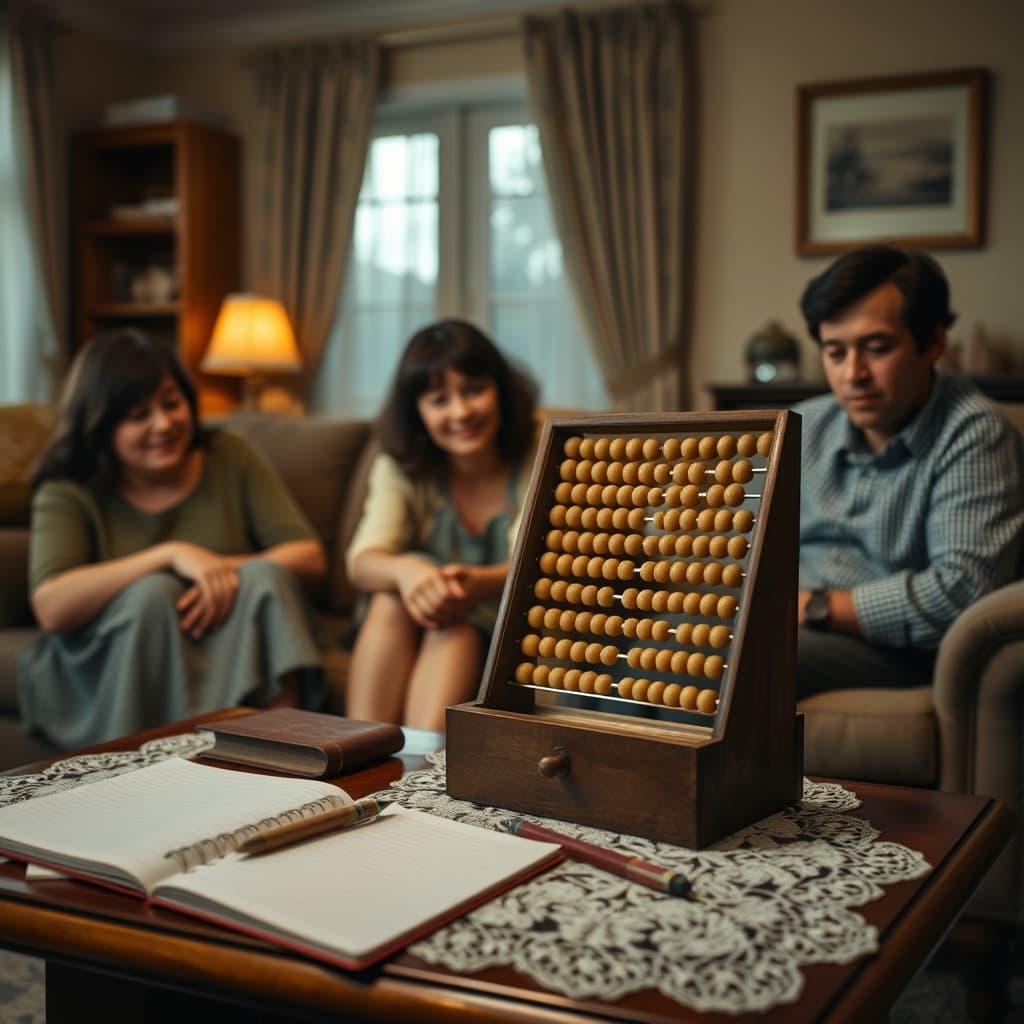
Bir zamanlar evin salonunda masanın üzerine bırakılan hesap cetveli, sıradan bir araçtan daha fazlasını temsil ederdi. Bugün geriye dönüp bakınca o tıkırtılı yüzeyin çevresinde oluşan sessizlik, yalnız sayılarla ilgili değildi; aile içi dikkatin, sabrın ve birlikte düşünmenin de ifadesiydi. Babalar maaş hesabı yaparken, anneler ay sonuna kadar yetecek mutfak listesini çıkarırken ya da çocuklar ilk kez boncukların kayışını izlerken, hesap cetveli evin içine farklı bir ciddiyet getirirdi. O sırada salonda konuşmalar biraz azalır, herkesin bakışı aynı nesneye yönelir, sayının mekanik hareketi neredeyse küçük bir törene dönüşürdü. Sessiz heyecan tam da bu yüzden büyürdü: elin yaptığı hareket görünür, sonuca ulaşmanın yolu göz önünde şekillenirdi.

Teknoloji Mirası açısından masaüstü hesap cetveli, dijital öncesi dönemin düşünme araçlarından biri olarak özel bir yere sahiptir. Üzerindeki çubuklar, boncuklar ya da kaydırmalı parçalar, soyut matematiği somut bir temasa dönüştürürdü. Bugünün ekranlarına sıkışmış işlem hızının tersine, burada her sonucun bir hareket karşılığı vardı. Bir boncuk ileri alınır, biri geri çekilir, toplamın mantığı eli izleyen gözlere açıkça görünürdü. Bu saydamlık, sadece hesap yapmayı kolaylaştırmaz; ev içindeki öğrenme biçimini de şekillendirirdi. Çocuk, sonucu hazır bulmazdı; nasıl oluştuğunu görürdü. Yetişkin ise hesabın yükünü makineye tamamen bırakmadan, onunla birlikte yapardı. Aradaki ilişki soğuk bir otomasyon değil, ortaklaşa bir dikkat düzeniydi.

Salonda toplanan ailelerin sessiz heyecanı ile büyüyen bu alışkanlığın unutulmamasının sebebi biraz da ev ekonomisinin görünür hâle gelmesidir. Bir defter, bir kalem ve hesap cetveli yan yana geldiğinde evin ayı, mevsimi, harcaması, tasarrufu somut bir manzaraya dönüşürdü. Elektrik faturası, pazardan alınacaklar, okula gidecek para, bayram öncesi ayrılacak küçük bütçe, hepsi bu araç etrafında konuşulurdu. O konuşmalar gürültülü olmazdı; çünkü hesap, aynı zamanda sorumluluk demekti. Ama sessizlik, gerilimden çok ortak dikkat taşırdı. Çocuklar anlamadıkları halde ciddiyeti hisseder, büyükler ise sonucu bulduklarında hafifçe rahatlarlardı. Hesap cetveli böylece sayının yanında aile olmanın ağırlığını ve düzenini de taşırdı.

Gündelik hayatın küçük ayrıntıları bu alışkanlığı hafızada daha da kalıcı kılar. Cam vitrinin yanındaki sehpa, üzerindeki dantel örtü, akşam haberlerinden hemen önce açılan defter, mutfaktan gelen çay kaşığı sesi ve tam o sırada boncukların tıkırtısı, aynı ev içi sahnenin parçalarıydı. Bazen çocuklardan biri “ben de yapayım” diye cetveli kendine çeker, yanlış kaydırdığı boncuklar gülümsemeyle düzeltilirdi. Bazen de komşudan gelen “şu hesabı bir de sen bak” cümlesi, bu aracın mahalle içindeki güven ilişkisine karıştığını gösterirdi. Hesap cetveli yalnız bireysel bir araç değildi; evler arası bilgeliğin de paylaşıldığı küçük bir yardımcıydı.

Bu yüzden masaüstü hesap cetveli günleri yalnız geçmişte kalmış bir hesap yöntemi olarak değil, belirli bir yaşam temposunun simgesi olarak hatırlanıyor. O günlerde zaman biraz daha yavaş akar, hesap biraz daha görünür yapılır, sonuç biraz daha kolektif bir dikkatle bulunurdu. İnsanlar sayılara bakarken aynı zamanda birbirlerinin yüzüne de bakardı. Bir ailenin ayı nasıl geçireceği, neyi erteleyeceği, neyi sevinçle alacağı, çoğu zaman bu sessiz toplantılarda belli olurdu. Unutulmayan şey, boncuğun kayışı kadar, o kayış sırasında odada biriken dikkatin biçimidir.

Bugün hesap makineleri, telefonlar ve uygulamalar aynı işi çok daha hızlı yapıyor olabilir. Ama masaüstü hesap cetvelinin hatırlanışında özlenen şey hız değil, hesapla kurulan ilişki biçimidir. Sonuca dokunmak, onu gözle kurmak, aile içindeki küçük ekonomik dünyanın hep birlikte farkına varmak, o aracı sıradanlıktan çıkarıyordu. Bu nedenle salonlarda toplanan ailelerin sessiz heyecanı ile büyüyen o alışkanlık unutulmadı. Çünkü o yalnız sayıları toplamadı; bir dönemin ev içi disiplinini, öğrenme tarzını ve ortak sabrını da kayda geçirdi.


🇬🇧 English | The Rhythm of Calculation Growing Inside the Quiet Attention Gathered in the Living Room

There was a time when the calculating board placed on the table in the living room represented far more than a simple tool. Looking back now, the silence that formed around its clicking surface was never only about numbers. It also expressed patience, domestic attention, and the habit of thinking together. Fathers used it to work out wages, mothers to plan a kitchen budget that would last until the end of the month, and children watched the first movement of the beads with fascination. Conversation in the room softened, everyone’s gaze turned toward the same object, and the mechanical motion of counting became a small ceremony. That quiet excitement grew because the hand’s movement remained visible and the road to the answer unfolded in plain sight.

From the perspective of technological heritage, the desktop abacus belongs to the era before digital certainty, when thinking tools still required touch. Its rods, beads, or sliding pieces transformed abstract arithmetic into something material and close. Unlike the speed of modern calculations compressed into screens, each result here had a physical counterpart. One bead was pushed forward, another drawn back, and the logic of the total could be followed by every eye in the room. That transparency did more than make counting easier. It shaped how learning happened inside the house. A child did not receive the answer fully formed, but watched it being built. An adult did not surrender the burden of calculation to a machine, but worked with it in partnership. The relationship was not cold automation, but a shared discipline of attention.

One reason this habit was not forgotten is that it made household economy visible. When a notebook, a pencil, and the calculating frame stood together, the family’s month, season, spending, and saving turned into a scene that could be seen and discussed. The electricity bill, the market list, school money, or the small amount set aside before a holiday all passed through this object. Those conversations were rarely loud, because calculation also meant responsibility. Yet the silence carried less tension than concentration. Children sensed the seriousness even if they did not fully understand it, while adults exhaled gently when the figures finally balanced. In that way the abacus carried not only numbers, but the weight and order of family life itself.

The small details of daily life make this habit especially memorable. The side table beside the glass cabinet, the lace cloth beneath it, the notebook opened just before the evening news, the sound of teaspoons coming from the kitchen, and the dry clicking of beads all belonged to the same domestic scene. Sometimes a child pulled the frame closer and said, “Let me try,” and the misplaced beads were corrected with a smile. Sometimes a neighbor entered with the phrase, “Could you look at this account as well?” showing that the tool had also become part of neighborhood trust. The calculating board was not merely a private device. It served as a quiet helper in the shared intelligence that passed from one household to another.

That is why the days of the desktop abacus are remembered not simply as an old method of calculation, but as the sign of a particular rhythm of living. Time moved more slowly then, calculation was made more visibly, and results were reached through collective attention. While people looked at the numbers, they were also looking at one another. How a family would pass the month, what could be postponed, and what could be purchased with joy were often decided in these quiet gatherings. What remains unforgettable is not only the movement of the beads, but the shape of the attention gathered in the room while they moved.

Today calculators, phones, and applications can perform the same work in an instant. Yet what is missed in remembering the desktop abacus is not slowness for its own sake, but the relationship once formed with calculation. To touch the result, to watch it emerge, and to become collectively aware of the family’s small economic world gave that object its meaning. That is why the habit that grew with the quiet excitement of families gathered in the living room was never forgotten. It counted not only figures, but also the domestic discipline, learning style, and shared patience of an era.


🇧🇷 Português (Brasil) | O Ritmo do Cálculo que Crescia Dentro da Atenção Silenciosa Reunida na Sala

Houve um tempo em que o quadro de cálculo colocado sobre a mesa da sala significava muito mais do que uma simples ferramenta. Quando se olha para trás, o silêncio formado ao redor daquele som seco das peças não tinha a ver apenas com números. Ele expressava também paciência, atenção doméstica e o hábito de pensar em conjunto. Os pais faziam contas do salário, as mães planejavam a despesa da cozinha até o fim do mês, e as crianças observavam com curiosidade o primeiro deslizamento das contas. As conversas diminuíam um pouco, todos voltavam o olhar para o mesmo objeto, e o movimento mecânico do cálculo ganhava a forma de uma pequena cerimônia. Essa expectativa silenciosa crescia porque o gesto da mão ficava visível e o caminho até o resultado se desenhava diante de todos.

Do ponto de vista do patrimônio tecnológico, o ábaco de mesa pertence a um tempo anterior à certeza digital, quando os instrumentos de pensar ainda exigiam toque. Suas hastes, contas ou peças deslizantes transformavam a aritmética abstrata em algo material e próximo. Diferente da velocidade atual comprimida nas telas, cada resultado tinha ali uma resposta física. Uma conta era empurrada para frente, outra voltava, e a lógica do total podia ser acompanhada por todos os olhos na sala. Essa transparência fazia mais do que facilitar o cálculo. Ela moldava a maneira de aprender dentro de casa. A criança não recebia a resposta pronta; via o resultado nascer. O adulto não entregava o peso da conta à máquina por completo; trabalhava com ela lado a lado. A relação não era de automação fria, mas de disciplina compartilhada da atenção.

Uma das razões para esse hábito não ter sido esquecido é que ele tornava a economia da casa visível. Quando caderno, lápis e quadro de cálculo apareciam juntos, o mês da família, suas despesas, reservas e decisões se transformavam numa paisagem concreta. Conta de luz, lista da feira, dinheiro da escola, pequena quantia guardada antes de uma festa, tudo passava por esse objeto. Essas conversas não costumavam ser barulhentas, porque calcular também significava responsabilidade. Mas o silêncio carregava mais concentração do que tensão. As crianças percebiam a seriedade mesmo sem entender tudo, e os adultos respiravam um pouco mais leves quando os números enfim fechavam. Assim, o ábaco carregava não só contas, mas o peso e a ordem da própria vida familiar.

Os detalhes cotidianos tornam esse costume ainda mais vivo na memória. A mesinha ao lado da cristaleira, a toalha rendada por baixo, o caderno aberto pouco antes do jornal da noite, o som da colher vindo da cozinha e o clique seco das contas formavam a mesma cena doméstica. Às vezes uma criança puxava o aparelho e dizia que queria tentar, e as contas movidas errado eram corrigidas com um sorriso. Às vezes um vizinho aparecia com a frase “vê essa conta para mim também”, mostrando que o objeto também entrava na rede de confiança do bairro. O quadro de cálculo não era apenas um instrumento privado. Funcionava como pequeno ajudante de uma sabedoria compartilhada entre as casas.

Por isso os dias do ábaco de mesa são lembrados não apenas como um velho método de fazer contas, mas como o símbolo de um certo ritmo de viver. O tempo corria mais devagar, o cálculo era feito de maneira mais visível e o resultado surgia com atenção coletiva. Enquanto se olhava para os números, também se olhava para o rosto dos outros. A forma como a família passaria o mês, o que seria adiado e o que poderia ser comprado com alegria muitas vezes se decidia nessas reuniões silenciosas. O que não foi esquecido não é apenas o movimento das contas, mas a forma da atenção reunida na sala enquanto elas se moviam.

Hoje calculadoras, telefones e aplicativos fazem o mesmo trabalho em segundos. Mas o que se sente falta ao lembrar do ábaco de mesa não é a lentidão em si, e sim a relação criada com o próprio cálculo. Tocar o resultado, vê-lo nascer e perceber em conjunto o pequeno mundo econômico da família davam sentido àquele objeto. É por isso que o hábito que crescia com a expectativa silenciosa das famílias reunidas na sala não foi esquecido. Ele registrou não só números, mas também a disciplina doméstica, a maneira de aprender e a paciência compartilhada de uma época.


Category: Teknoloji Mirası / Tech Heritage / Herança Tecnológica

Yazı gezinmesi

← Mahalle Takviminden Düşmeyen bir Sahne Olarak Piknik Trenlerinin Aile Neşesini Raylara Taşıdığı Hafta Sonları: Neden Bugün Bile bir Sızı gibi Hatırlanıyor Ihlamur Kokusuna Dönen Bahçeler | Weekend Picnic Trains Carrying Family Joy Onto the Rails as a Scene That Never Fell from the Neighborhood Calendar: Why Are Gardens Turning into the Scent of Linden Still Remembered Like an Ache Today? | Fins de Semana Em Que Os Trens de Piquenique Levavam a Alegria Das Famílias Pelos Trilhos Como Uma Cena Que Nunca Saía do Calendário do Bairro: Por Que Os Jardins Que Se Tornavam Cheiro de Tília Ainda São Lembrados Como Uma Dor Suave?
Ferforje Askılık ve Çeyiz Odasında Büyüyen Bekleyişi: Ev Hayatının Ritüellerini Nasıl Şekillendirdi | the Wrought-Iron Hanger and the Waiting That Grew in the Dowry Room: How Did It Shape the Rituals of Home Life? | O Cabide de Ferro Forjado E a Espera Que Crescia No Quarto do Enxoval: Como Moldou Os Rituais da Vida Doméstica? →

Bir yanıt yazın Yanıtı iptal et

E-posta adresiniz yayınlanmayacak. Gerekli alanlar * ile işaretlenmişlerdir

🇹🇷 Retro, Tarih ve Nostaljik Hikayeler
🇬🇧 Retro, History & Vintage Stories
🇧🇷 Histórias Retro, Históricas e Vintage

Son Yazılar | Recent Posts | Postagens recentes

  • Ferforje Askılık ve Çeyiz Odasında Büyüyen Bekleyişi: Ev Hayatının Ritüellerini Nasıl Şekillendirdi | the Wrought-Iron Hanger and the Waiting That Grew in the Dowry Room: How Did It Shape the Rituals of Home Life? | O Cabide de Ferro Forjado E a Espera Que Crescia No Quarto do Enxoval: Como Moldou Os Rituais da Vida Doméstica?
  • Masaüstü Hesap Cetveli Günleri: Salonda Toplanan Ailelerin Sessiz Heyecanı ile Büyüyen bir Alışkanlık Neden Unutulmadı | the Days of the Desktop Abacus: Why Was a Habit Growing with the Quiet Excitement of Families Gathered in the Living Room Not Forgotten? | Os Dias do Ábaco de Mesa: Por Que Não Foi Esquecido Um Hábito Que Crescia Com a Expectativa Silenciosa Das Famílias Reunidas Na Sala?
  • Mahalle Takviminden Düşmeyen bir Sahne Olarak Piknik Trenlerinin Aile Neşesini Raylara Taşıdığı Hafta Sonları: Neden Bugün Bile bir Sızı gibi Hatırlanıyor Ihlamur Kokusuna Dönen Bahçeler | Weekend Picnic Trains Carrying Family Joy Onto the Rails as a Scene That Never Fell from the Neighborhood Calendar: Why Are Gardens Turning into the Scent of Linden Still Remembered Like an Ache Today? | Fins de Semana Em Que Os Trens de Piquenique Levavam a Alegria Das Famílias Pelos Trilhos Como Uma Cena Que Nunca Saía do Calendário do Bairro: Por Que Os Jardins Que Se Tornavam Cheiro de Tília Ainda São Lembrados Como Uma Dor Suave?
  • Tarçınlı Ayva Tatlısı Sofraya Geldiğinde Neden Bütün Ev Aynı Kokuyla Dolardı | Why Did the Whole House Fill with the Same Scent When Cinnamon Quince Dessert Reached the Table? | Por Que a Casa Inteira Se Enchia do Mesmo Aroma Quando a Sobremesa de Marmelo Com Canela Chegava À Mesa?
  • Okul Dönemi Dönüşlerinde Sütçünün Sabah Zili Neden Eski Mahallelerin en Sıcak Sahnesiydi | Why Was the Milkman’s Morning Bell, on the Return to the School Term, the Warmest Scene of Old Neighborhoods? | Por Que o Sino da Manhã do Leiteiro, Na Volta Ao Período Escolar, Era a Cena Mais Acolhedora dos Bairros Antigos?

Son Yorumlar | Recent Comments | Comentários recentes

  1. Susiewedia - Seramik Sürahi ve Gündelik Kullanımın İçinde Görünmeden Bıraktığı İz: bir Dönemin Zevk Anlayışını Nasıl Yansıttı | the Ceramic Pitcher and the Trace İt Left Almost İnvisibly in Everyday Use: How İt Reflected an Era’s Sense of Taste | A Jarra de Cerâmica E o Rastro Quase İnvisível Que Deixou No Uso Cotidiano: Como Refletiu o Senso de Gosto de Uma Época
  2. GregoryLossy - Seramik Sürahi ve Gündelik Kullanımın İçinde Görünmeden Bıraktığı İz: bir Dönemin Zevk Anlayışını Nasıl Yansıttı | the Ceramic Pitcher and the Trace İt Left Almost İnvisibly in Everyday Use: How İt Reflected an Era’s Sense of Taste | A Jarra de Cerâmica E o Rastro Quase İnvisível Que Deixou No Uso Cotidiano: Como Refletiu o Senso de Gosto de Uma Época
  3. SheilaWex - Seramik Sürahi ve Gündelik Kullanımın İçinde Görünmeden Bıraktığı İz: bir Dönemin Zevk Anlayışını Nasıl Yansıttı | the Ceramic Pitcher and the Trace İt Left Almost İnvisibly in Everyday Use: How İt Reflected an Era’s Sense of Taste | A Jarra de Cerâmica E o Rastro Quase İnvisível Que Deixou No Uso Cotidiano: Como Refletiu o Senso de Gosto de Uma Época
  4. Susiewedia - Seramik Sürahi ve Gündelik Kullanımın İçinde Görünmeden Bıraktığı İz: bir Dönemin Zevk Anlayışını Nasıl Yansıttı | the Ceramic Pitcher and the Trace İt Left Almost İnvisibly in Everyday Use: How İt Reflected an Era’s Sense of Taste | A Jarra de Cerâmica E o Rastro Quase İnvisível Que Deixou No Uso Cotidiano: Como Refletiu o Senso de Gosto de Uma Época
  5. SheilaWex - Seramik Sürahi ve Gündelik Kullanımın İçinde Görünmeden Bıraktığı İz: bir Dönemin Zevk Anlayışını Nasıl Yansıttı | the Ceramic Pitcher and the Trace İt Left Almost İnvisibly in Everyday Use: How İt Reflected an Era’s Sense of Taste | A Jarra de Cerâmica E o Rastro Quase İnvisível Que Deixou No Uso Cotidiano: Como Refletiu o Senso de Gosto de Uma Época

Arşivler | Archives | Arquivos

  • Nisan 2026
  • Mart 2026
  • Şubat 2026

Kategoriler | Categories | Categorias

  • Damak Hafızası / Taste of Memory / Memória do Paladar
  • Mahalle Kültürü / Neighborhood Culture / Cultura do Bairro
  • Obje Hikayeleri / Object Stories / Histórias de Objetos
  • Teknoloji Mirası / Tech Heritage / Herança Tecnológica
  • Zamanın İzinde / Traces of Time / Trilhas do Tempo
eskipano.com'da yer alan bilgi, yorum ve değerlendirmeler yatırım danışmanlığı kapsamında değildir. Yatırım danışmanlığı hizmeti; aracı kurumlar, portföy yönetim şirketleri, mevduat kabul etmeyen bankalar ve yatırımcı arasında imzalanacak sözleşme çerçevesinde sunulmaktadır.

Sitede paylaşılan içerikler genel bilgilendirme amacı taşımakta olup, bunları hazırlayanların kişisel görüş ve değerlendirmelerine dayanabilir. Bu içerikler, ziyaretçilerin mali durumu ile risk ve getiri tercihleri dikkate alınarak hazırlanmış özel öneriler niteliğinde değildir. Bu nedenle yalnızca burada yer alan bilgi, yorum ve değerlendirmelere dayanılarak yatırım kararı verilmesi, beklentilere uygun sonuçlar doğurmayabilir.

eskipano.com üzerinde yayımlanan bazı içeriklerde reklam, sponsorluk, tanıtım, iş birliği, bağlı kuruluş bağlantıları (affiliate links) veya ticari yönlendirmeler yer alabilir. Bu tür içerikler, ilgili durumun niteliğine göre açıkça belirtilmeye çalışılsa da, kullanıcıların sitede yer alan her içeriği kendi değerlendirmeleri çerçevesinde incelemesi tavsiye edilir. Reklam, sponsorluk veya benzeri ticari unsurlar içeren içerikler, hiçbir şekilde kesin tavsiye, garanti ya da taahhüt anlamına gelmez.

eskipano.com'da yayımlanan içeriklerde doğruluk ve güncellik konusunda azami özen gösterilmekle birlikte, sitede yer alan bilgi ve verilerde oluşabilecek hata, eksiklik, gecikme ya da farklılıklardan; ayrıca bu bilgilerin kullanılması veya kullanılmaması nedeniyle ortaya çıkabilecek doğrudan ya da dolaylı zararlardan, kar kaybından veya üçüncü kişilerin uğrayabileceği zararlardan site yönetimi sorumlu tutulamaz.
  • Gizlilik Politikası | Privacy Policy | Política de Privacidade
  • Hakkımızda | About Us | Sobre Nós
  • İletişim | Contact | Contato
  • Site Haritası | Sitemap | Mapa do site
© 2026 Eski Pano | Powered by Minimalist Blog WordPress Theme