 Eski Pano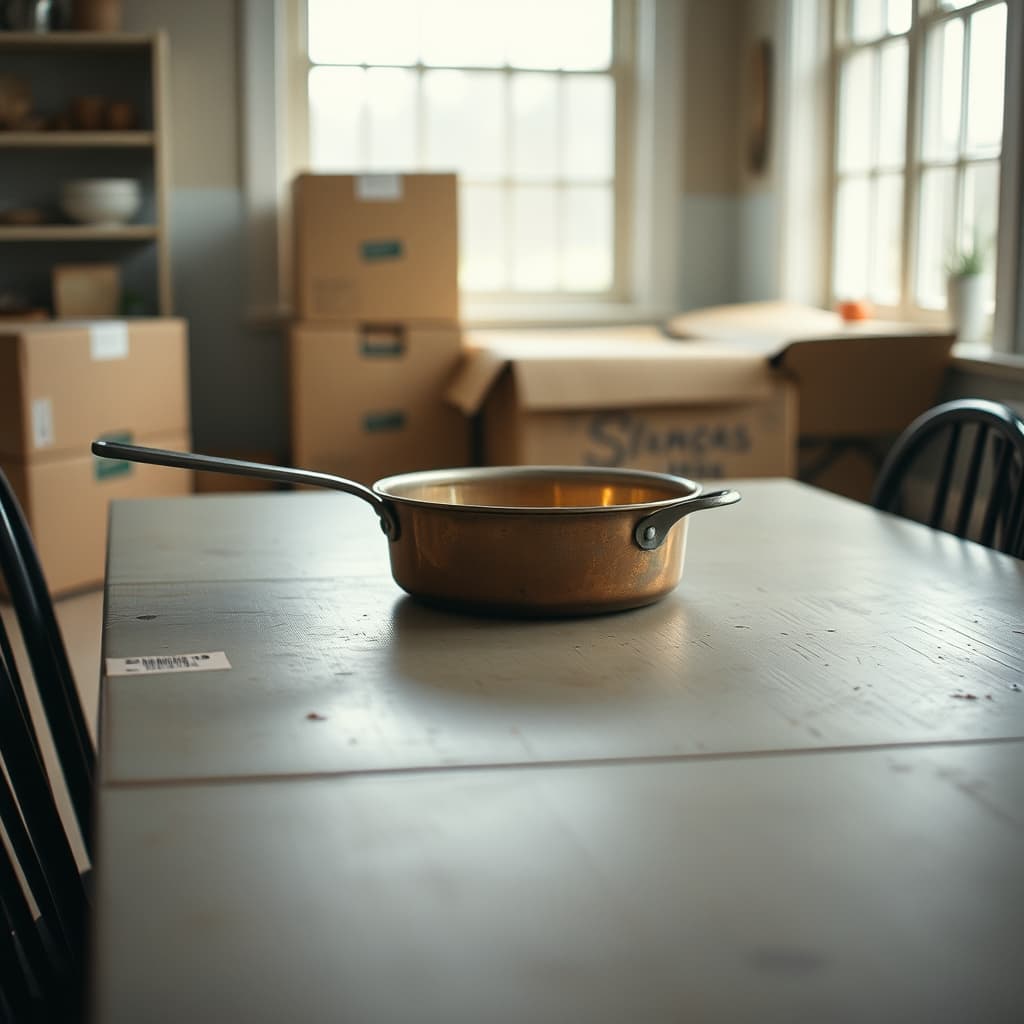
A copper pan that accompanied several household moves carried a history written less in grand events than in repeated handling. Wrapped in paper, cloth, or another kitchen textile, it travelled between cupboards, kitchens, and addresses because someone still considered it useful or worth keeping. Its shallow form, broad base, side handles, and conductive metal made it suited to particular cooking tasks, while dents and darkened areas recorded years of heat, stacking, and transport.
Copper vessels differ in construction, thickness, lining, handles, age, and origin. Some were hammered by hand, some produced with more standardised methods, and many were repaired or re-tinned during their working lives. Surface appearance alone cannot establish a workshop or date. Tool marks, seams, stamps, handle attachments, lining, documented photographs, and reliable family information provide stronger evidence than a romantic attribution.
The Interior Decided Whether the Pan Could Still Work
Traditional copper cookware was often lined with tin or another suitable barrier because exposed copper can react with certain foods. Linings wear unevenly, especially on the base and near areas repeatedly scraped by utensils. A bright exterior does not prove a safe interior. If copper is exposed, the vessel is cracked, solder is uncertain, or its history is unknown, it should not return to food preparation before assessment and, where appropriate, professional re-tinning by a qualified craftsperson.
Cleaning also requires restraint. Abrasive powders, strong acids, harsh polishing, and improvised mixtures may remove patina, scratch surfaces, damage lining, or disturb historic repairs. A vessel intended only for display has different needs from cookware being evaluated for use. Dry dusting and material-specific conservation advice are safer starting points. Any decision to polish should consider which evidence of manufacture and handling may be lost.
Moving House Added a New Layer of Wear
Kitchen objects are vulnerable during a move. Pans are nested to save space, handles catch on boxes, and heavy items press against softer metal. A copper pan might acquire a dent unrelated to cooking or lose a lid in transit. Families then improvised storage in a new kitchen, hanging it, placing it in a cabinet, or moving it into a display area when the stove or cooking habits no longer suited it.
That transition from tool to keepsake did not happen at one fixed moment. The pan could remain useful for one dish, appear only on special occasions, and later be retained solely for its association with a former home. A note recording which kitchens it served, who remembered using it, and when it was re-tinned can preserve this history. Conflicting recollections should remain identified as memories rather than forced into a single precise chronology.
Renewed Interest Should Include the Craft of Maintenance
Contemporary interest in copper often focuses on warm colour, weight, and visible hammering. Those features are attractive, but they tell only part of the story. The object endured because miners, metalworkers, coppersmiths, tinsmiths, repairers, cooks, and household members all contributed to its material life. Appreciating it responsibly means recognising maintenance, safety, and labour rather than treating age as decoration.
For a Digital Nostalgia Archive, the copper pan matters because it links domestic movement to continuity. Addresses, cupboards, and cooking technologies changed, while the vessel was packed again and given another place. It did not become heritage simply because it was old. It became a household record because people repeatedly chose to carry, repair, store, and interpret it. Today’s renewed attention is most meaningful when it preserves both the pan and the practical knowledge contained in its lining, handles, dents, and documented journeys.