 Eski Pano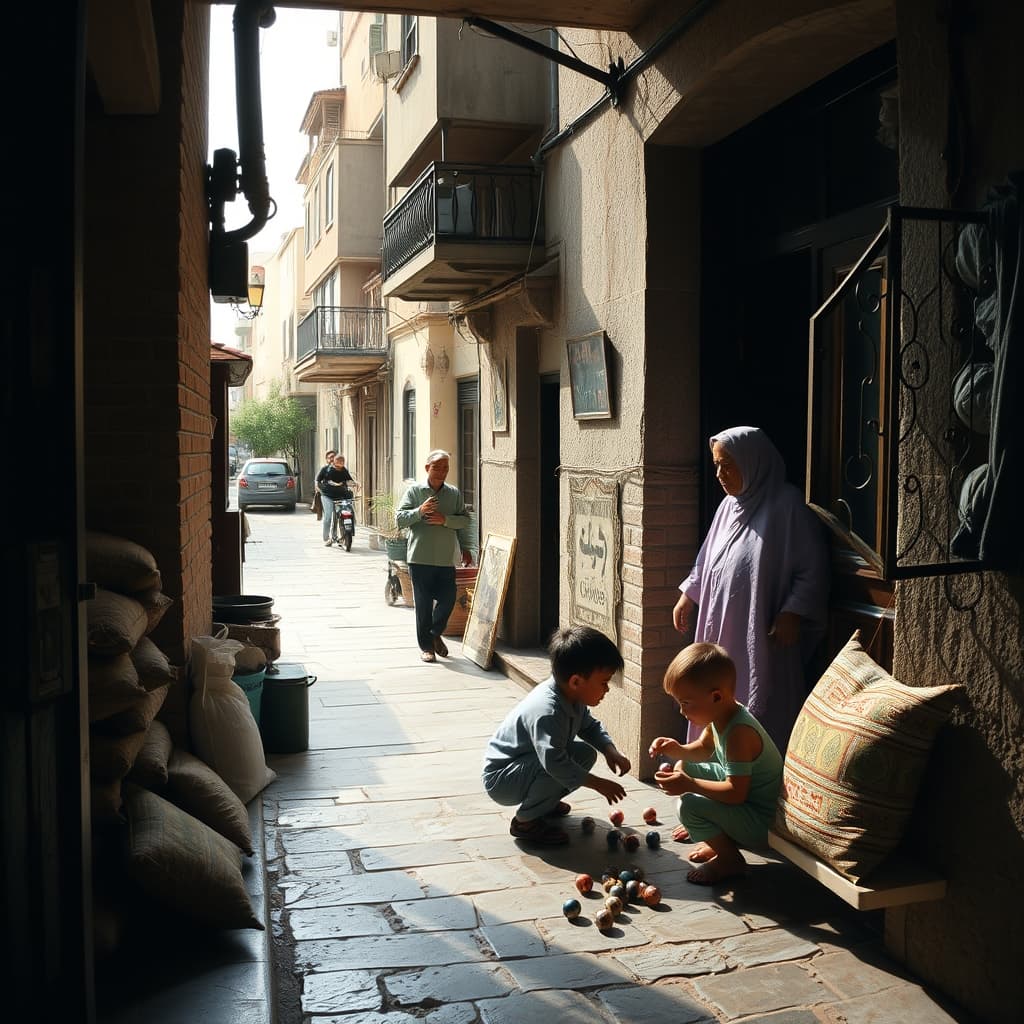
On a winter holiday, an apartment entrance could gather the smells of coal storage, damp coats, cooked food, floor water, and heated rooms. Children moved in and out more often because school was closed, while adults carried fuel, shopping, or ash through the same shared space. The entrance felt warm in memory not because coal itself was comforting, but because it stood at the threshold between cold streets and households working to maintain heat.
Buildings differed in heating system, construction, ventilation, and storage. Some families used individual stoves and kept coal in basement compartments; others had different arrangements or fuels. Odour could come from dust on buckets, an open cellar door, ash, smoke leakage, or clothing. These distinctions matter. A nostalgic description should never normalise poor ventilation, carbon monoxide, dirty combustion, or unsafe storage.
The Entrance Connected Private Heating to Shared Space
Fuel crossed a communal route before reaching a private stove. Cellar access, stairs, landings, and doors required coordination. Spilled pieces had to be gathered and dust swept so that neighbours did not track it upstairs. Someone held a door for a heavy bucket, warned that the floor was wet, or helped an older resident. Heating became visible as work performed in front of others.
Holiday time changed the rhythm. Children stayed home, visits lasted longer, and the building heard more footsteps. A game on the landing might be interrupted by someone carrying coal. Visitors shook moisture from shoes and tried to identify the correct bell. Familiarity with voices and routines produced a sense of belonging, although noise, dirt, unequal labour, and disputes about common areas could strain it.
Warmth Had Environmental and Bodily Costs
Coal handling produced dust; combustion produced pollutants and dangerous gases if equipment, chimney, fuel, or ventilation failed. Historic routines are not safety guidance. Stoves and flues require qualified inspection, carbon-monoxide protection, appropriate fuel, and adequate ventilation under current standards. Children should not carry excessive loads or enter unsafe storage areas. These facts belong inside, not outside, responsible cultural memory.
The burden was also uneven. Care work, cleaning, fuel management, and supervising children often fell repeatedly to particular household members. Neighbourly help could reduce the load, but it did not erase economic hardship or health effects. The phrase “warmest scene” should therefore describe social contact cautiously, not turn fuel poverty or hazardous housing into atmosphere.
The Building Remembered Through Repeated Traces
Marks near cellar doors, worn stair edges, patched buckets, doorstops, and darkened corners can document routines better than a general claim about the past. Photographs and resident accounts may identify how fuel moved and who helped. Differences between recollections should remain visible; one person’s lively holiday entrance may have been another’s exhausting workplace.
For a Digital Nostalgia Archive, the coal-scented entrance matters because it reveals where infrastructure, household labour, and neighbourhood relations met. Its memory combines welcome with difficulty: the door closing against cold, a neighbour making room on the stairs, and dust that still needed sweeping. Preserving the scene honestly means keeping both sides. Warmth came from human attention and shared help, while coal’s smell recorded the material cost of producing it.