
🇹🇷 Türkçe | Meydandaki Resmi Törenlerin İnce Hırkalı Hafızası
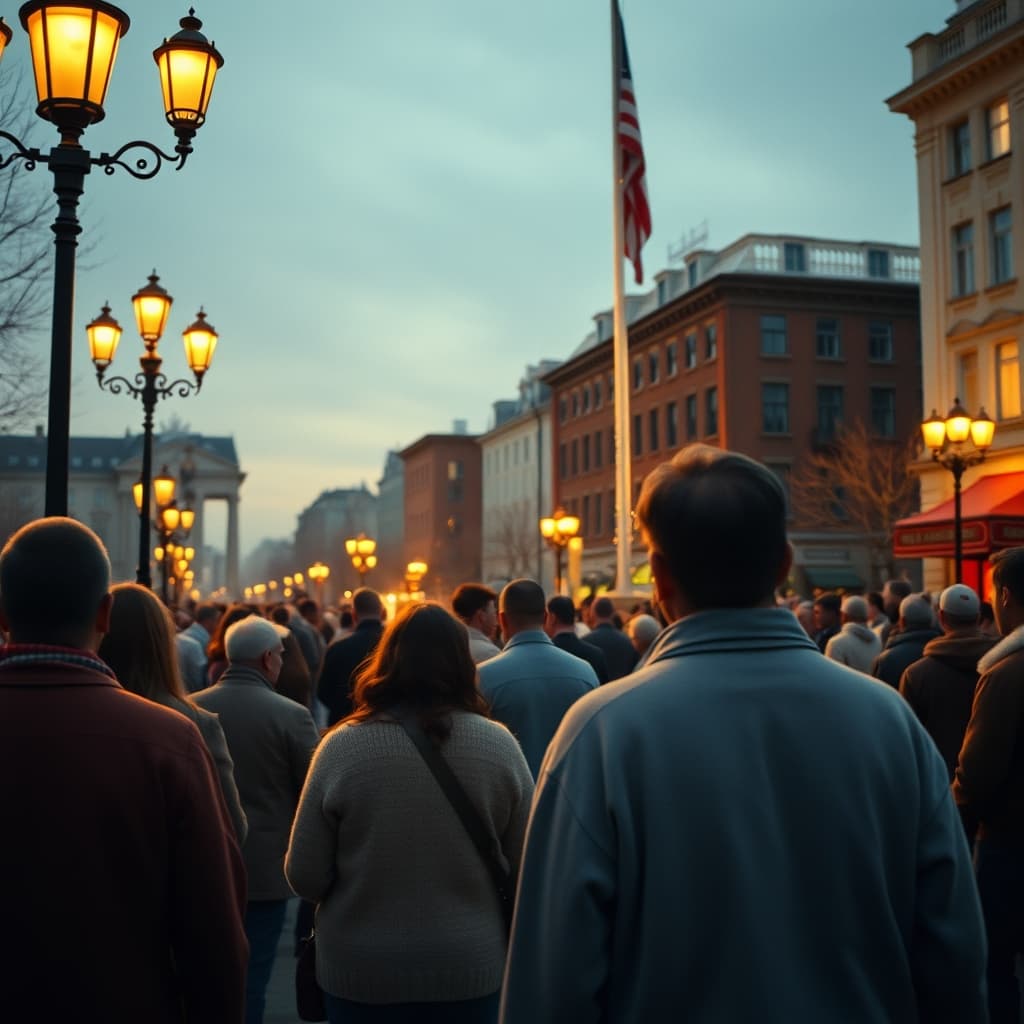
İnce hırkaların omuzda durduğu o geçiş mevsimi akşamlarında şehir meydanları, günlük telaşın üstüne kurulan ortak bir sahneye dönüşürdü. Sokak lambaları henüz yeni yanmış olur, belediye hoparlörlerinden önce cızırtı, sonra protokol anonsu duyulurdu. Meydana gelen aileler çocuklarının elini daha sıkı tutar, dedeler en öndeki yerleri gençlere bırakmadan önce etrafa selam verirdi. Resmi törenin başlamasını beklerken herkes aynı saate bakar, aynı sessizlikte toplanmanın tuhaf ama güvenli hissini yaşardı.
Bu törenler yalnızca devlet takviminin bir maddesi değildi; şehir hayatının ritmini düzenleyen bir buluşma biçimiydi. Bayrak direğinin dibindeki çiçek tarhından belediye bandosunun dizilişine kadar her ayrıntı özenle hazırlanırdı. Çocuklar okulda ezberledikleri şiiri meydanda duyunca kendini büyük bir hikâyenin parçası sanırdı. Anneler, “üşürsün” diye yanına fazladan hırka alır, babalar tören bitince eve hangi sokaktan dönüleceğini kalabalığa göre hesap ederdi.
Tarihsel olarak bakıldığında, meydan törenleri modern yurttaşlık fikrinin gündelik hayattaki en görünür provasını sunuyordu. Gazetelerde bir gün sonra çıkan siyah beyaz fotoğraflar, o kalabalığın düzenini belgelemekle kalmaz; insanların aynı anda aynı duyguyu paylaşabildiğini de hatırlatırdı. O dönemin sınırlı görsel dünyasında bu tören kareleri, hem resmi arşiv hem mahalle albümü işlevi görürdü. Bir şehrin kendini nasıl anlattığı, çoğu zaman meydandaki bu birkaç saate sığardı.
Gündelik ayrıntılar hafızanın en kalıcı kısmını oluşturur. Bayrak direğine yakın yerde satılan sıcak kestane kokusu, ayakkabıya sürülen cilanın lambada parlayan izi, öğretmenin öğrencileri sıraya dizerken kullandığı sakin ama net ses tonu, hepsi aynı sahnenin farklı katmanlarıdır. Çocuk için tören, bazen marştan çok dönüş yolunda alınan simitle hatırlanırdı. Yetişkin içinse kalabalığın içindeki yüzler, yıllar sonra bile unutulmayan bir güven duygusuna bağlanırdı.
Bugün geriye dönüp baktığımızda o günlerin “daha düzenli” görünmesi yalnızca nostaljinin oyunu değildir. Meydan törenleri, farklı mahallelerden gelen insanları aynı zeminde buluşturan nadir kamusal ritüellerdendi. Kimin nerede oturduğu, hangi işi yaptığı kısa süreliğine önemsizleşir; herkes aynı marşta aynı tempoyu tutturmaya çalışırdı. Bu ortak ritim, şehirde birbirini tanımayan insanlar arasında bile sessiz bir tanışıklık üretirdi.
İnce hırkalı günlerin bize söylediği esas şey, toplumsal hafızanın büyük olaylardan çok küçük tekrarlarla kurulduğudur. Aynı meydan, aynı ışık, aynı bekleyiş ve her yıl benzer bir heyecan… Bu döngü, kuşaklar arasında görünmez bir köprü kurdu. Bugün törenler değişmiş, meydanların çevresi yenilenmiş olabilir; yine de o akşamların hafızası, birlikte beklemenin ve birlikte saygı göstermenin kültürel değerini taşımaya devam ediyor.
Bu yüzden unutulan ayrıntılara yeniden bakmak kıymetli. Çünkü geçmişteki resmi törenler yalnızca protokol değil, şehirde ortak aidiyet üretmenin gündelik diliydi. Lamba altındaki o hafif serinlikte, hırkaların düğmesini ilikleyen ellerle bayrağa bakan gözler aynı cümleyi kuruyordu: Bu şehir, bizi tek tek değil birlikte hatırlıyor.
🇬🇧 English | The Light-Cardigan Memory of Ceremonies in the City Square
On those in-between-season evenings when light cardigans rested on shoulders, city squares turned into a shared stage laid over ordinary life. Street lamps had just come on, municipal speakers crackled before the announcements, and families arrived holding children’s hands a little tighter. Grandfathers greeted familiar faces before guarding their place near the front. While waiting for the official ceremony to begin, people checked the same clock and felt the same strange, reassuring silence of gathering together.
These ceremonies were never only a line in the civic calendar. They were a social rhythm that organized urban life. From the flower beds around the flagpole to the careful alignment of the municipal band, every detail was prepared with intention. Children heard poems they had memorized at school and felt part of a larger story. Mothers packed an extra cardigan “just in case,” and fathers planned the route home by watching the flow of the crowd.
Historically, square ceremonies offered one of the clearest daily rehearsals of modern citizenship. Black-and-white photos in next-day newspapers documented more than crowd order; they proved that many people could share one emotion at one time. In a visual culture with limited media, those ceremony frames served both as official archive and neighborhood album. A city’s self-image often condensed into those few evening hours.
The most lasting memory lives in small details. The smell of roasted chestnuts sold near the flagpole, the shine of shoe polish under yellow lamps, the calm but firm voice of a teacher arranging students into rows, each became a layer of one scene. For a child, the ceremony was sometimes remembered less through the anthem and more through the simit bought on the way home. For adults, faces in the crowd remained tied to a durable sense of trust.
Looking back today, the feeling that those days were “more orderly” is not only nostalgia speaking. Square ceremonies were rare civic rituals where people from different neighborhoods stood on equal ground. Where one lived or worked briefly mattered less; everyone tried to keep the same tempo in the same anthem. That shared tempo quietly created familiarity among strangers who might never meet elsewhere.
What those light-cardigan evenings tell us is simple: collective memory is built less by grand events and more by repeated small acts. The same square, the same lamps, the same waiting, and each year a similar excitement. That repetition formed an invisible bridge between generations. The square may be redesigned now, and ceremony formats may change, but the memory still carries the cultural value of waiting together and showing respect together.
Returning to those forgotten details matters for one more reason. Official ceremonies were not only protocol; they were a daily language of belonging. In that mild chill under streetlights, hands buttoning cardigans and eyes fixed on the flag seemed to say the same sentence: this city remembers us not separately, but together.
🇧🇷 Português (Brasil) | A Memória de Casaquinho Leve nas Cerimônias da Praça
Naquelas noites de meia-estação, quando o casaquinho leve ficava sobre os ombros, as praças centrais viravam um palco coletivo sobre a rotina comum. Os postes acabavam de acender, os alto-falantes da prefeitura faziam um chiado antes dos anúncios, e as famílias chegavam segurando as mãos das crianças com mais firmeza. Avôs cumprimentavam conhecidos antes de defender lugar na frente. Enquanto esperavam o início da cerimônia oficial, todos olhavam o mesmo relógio e partilhavam um silêncio estranho, porém acolhedor.
Essas cerimônias nunca foram apenas um item do calendário cívico. Eram um ritmo social que organizava a vida urbana. Do canteiro ao redor do mastro à formação da banda municipal, cada detalhe era preparado com cuidado. Crianças ouviam na praça os poemas decorados na escola e se sentiam parte de uma história maior. Mães levavam um casaquinho extra para o frio, e pais calculavam o caminho de volta observando o movimento da multidão.
Em perspectiva histórica, as cerimônias da praça funcionavam como ensaio visível da cidadania moderna no cotidiano. As fotos em preto e branco dos jornais do dia seguinte registravam mais que a ordem da plateia; mostravam que muitas pessoas podiam compartilhar uma mesma emoção. Num tempo de repertório visual limitado, essas imagens eram arquivo oficial e álbum de bairro ao mesmo tempo. A forma como a cidade se narrava cabia, muitas vezes, nessas poucas horas.
Os detalhes comuns são o núcleo mais duradouro da lembrança. O cheiro de castanha quente perto do mastro, o brilho do sapato engraxado sob a luz amarela, a voz calma e firme do professor alinhando alunos, tudo compunha camadas de uma cena única. Para a criança, a cerimônia às vezes era lembrada menos pelo hino e mais pelo simit comprado na volta. Para os adultos, os rostos na multidão ficavam associados a uma confiança difícil de apagar.
Quando olhamos para trás, a impressão de que aqueles dias eram “mais organizados” não é só nostalgia. As cerimônias eram rituais públicos raros em que bairros diferentes ocupavam o mesmo chão. Endereço e profissão perdiam importância por alguns minutos; todos tentavam seguir o mesmo compasso no mesmo hino. Esse compasso comum criava familiaridade silenciosa entre pessoas que talvez não se conhecessem em outro contexto.
O que essas noites de casaquinho leve ensinam é que a memória coletiva nasce menos de fatos grandiosos e mais de repetições pequenas. A mesma praça, a mesma luz, a mesma espera, e a cada ano uma emoção parecida. Esse ciclo ergueu uma ponte invisível entre gerações. A praça pode ter mudado e o formato das cerimônias também, mas a lembrança ainda carrega o valor cultural de esperar junto e respeitar junto.
Revisitar esses detalhes esquecidos é importante por mais um motivo. As cerimônias não eram só protocolo; eram uma linguagem cotidiana de pertencimento. Naquele frio suave sob os postes, mãos fechando botões e olhos voltados para a bandeira pareciam dizer a mesma frase: esta cidade nos guarda na memória não separados, mas lado a lado.
