 Eski Pano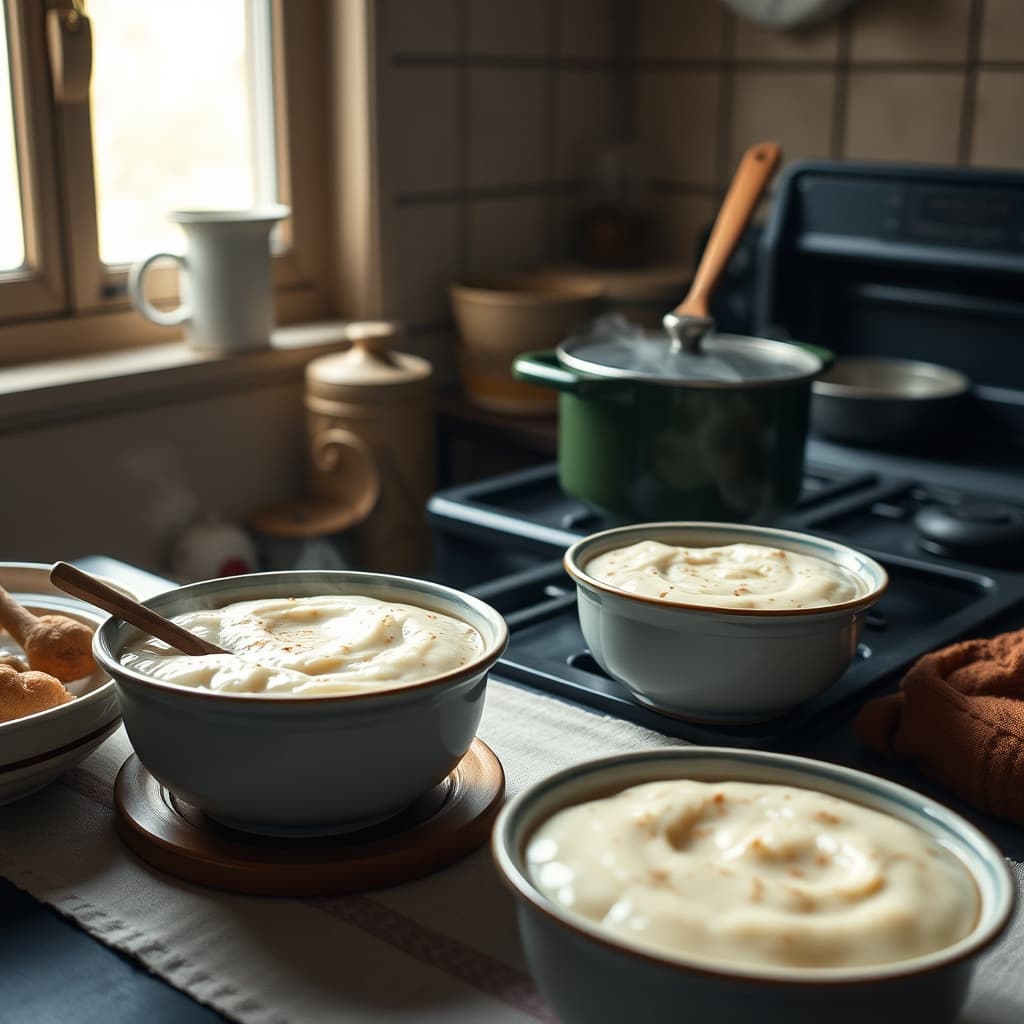
Cinnamon-scented rice pudding entered childhood memory before the first spoon reached the mouth. Milk warmed on the stove, rice softened, and steam carried a sweet, grainy aroma through the kitchen. Bowls arranged on a tray signalled that the dessert was nearly ready but not yet available. Waiting for it to cool was part of the experience, especially for children testing the surface with a fingertip or asking repeatedly when they could begin.
The Turkish family of milk-and-rice puddings includes many household and regional variations. Rice may be cooked separately or in the milk; starch may or may not be added; sugar levels, thickness, and oven finishing differ. Cinnamon can arrive as a light dusting, a bold layer, or not at all. Preserving the dish responsibly means recording these choices rather than reducing every bowl to one supposedly definitive recipe.
Texture Was Decided at the Stove
Rice needed to soften without disappearing completely, while milk required attention to prevent scorching or boiling over. Stirring distributed heat and released enough starch to thicken the mixture. The cook judged readiness while remembering that the pudding would become firmer as it cooled. A pot removed too late could produce a heavy result; removed too early, it might remain thin. Such judgement developed through repeated cooking with a particular pan and heat source.
The bowls affected serving too. Glass, porcelain, metal, or earthenware held and released heat differently. Portions might be prepared for children, visitors, and adults, with cinnamon adjusted to preference. A skin forming on top pleased some people and bothered others. These small disagreements belong to taste memory because the dessert was not experienced as an abstract national dish; it was encountered in a particular home, vessel, and family conversation.
Cinnamon Marked the Moment of Serving
Applied after cooling or shortly before serving, cinnamon made a pale surface visually distinct and released aroma when the spoon broke through. Patterns could be simple rather than decorative: a pinch from the fingers, a small sieve, or an uneven patch concentrated near the centre. The smell linked bowl and kitchen, but it should not conceal the labour that came first—measuring, watching milk, washing the pot, filling bowls, and finding refrigerator space.
Food safety remains relevant when remembering domestic habits. Milk-based desserts require clean equipment, appropriate cooking, prompt cooling, and refrigeration. Large hot containers should not be left indefinitely at room temperature, and serving spoons should remain clean. These precautions do not diminish nostalgia; they distinguish cultural memory from advice that could be unsafe when copied into a contemporary kitchen.
A Familiar Dessert Could Still Change
Families adjusted rice pudding to available milk, budget, dietary need, and preference. Recipes moved between handwritten notebooks, observation, and spoken instructions such as “until it coats the spoon.” Younger cooks learned by comparing the warm mixture with the cooled result. When they changed sweetness or thickness, continuity did not disappear. The dish remained recognisable because its core relationship—milk, rice, heat, patience, and serving—survived adaptation.
For a Digital Nostalgia Archive, cinnamon rice pudding matters because it preserves domestic knowledge inside a modest dessert. The first spoonful recalls childhood not through flavour alone, but through the tray of waiting bowls, the warning that it was still hot, and the person who knew when to turn off the stove. Its place in old kitchen culture lies in that combination of repetition and judgement. Each bowl looked simple, yet carried the accumulated decisions of the household that made it.