🇹🇷 Türkçe | Tarçınlı Ayvanın Buharında Birleşen Ev Akşamlarının Tatlı Sessizliği
Bazı tatlılar yalnız sofraya gelmez; hazırlanırken evin bütün havasını değiştirir. Tarçınlı ayva tatlısı da böyledir. Ayvalar soyulup ortaları oyulurken mutfakta başlayan koku, şeker tencerede çözülüp renk koyulaştıkça ağırlaşır, tarçınla karanfil devreye girdiğinde ise evin her odasına yavaş yavaş yayılırdı. Bu tatlı aceleyle çıkmış bir şey gibi görünmezdi; daha çok kendi zamanını isteyen, pişerken bütün evi haberdar eden ve sofraya gelmeden önce hafızada yer açan bir misafir gibiydi. O yüzden ayva tatlısı masaya konduğunda herkesin aynı kokunun içinden geçtiği hissedilirdi. Tat, daha ilk kaşıktan önce evin duvarlarına sinmiş olurdu.
Damak Hafızası açısından tarçınlı ayva tatlısının özel yeri, yalnız lezzetinin dengeli oluşundan değil, pişme sürecinin eve yaydığı ortak duygudan gelir. Eski mutfaklarda tatlı yapmak çoğu zaman yalnız bir sonuç değil, uzun bir hazırlık hâliydi. Ayvanın kararmaması için limonlu suda bekletilmesi, çekirdeklerinin rengi güçlendirsin diye tencereye eklenmesi, şerbetin ağır ağır koyulaşması, üstüne kaymak konup konmayacağının konuşulması, hepsi bu ritüelin parçalarıydı. Tatlı daha masaya gelmeden, evde o akşamın biraz daha özenli geçeceği anlaşılırdı. Çünkü tarçınlı ayva, mutfağın sıradan bir iş yaptığı değil; evi mevsim, koku ve sabırla yeniden kurduğu anlardan birini temsil ederdi.
Bütün evin aynı kokuyla dolmasının nedeni, biraz da bu tatlının yavaşça çalışmasıdır. Fırında ya da tencerede pişerken şekerli meyve kokusu sadece mutfakta kalmaz, koridora, perdeye, salona, hatta kapı eşiğine kadar taşardı. Bir odada ders çalışan çocuk, diğer odada dikiş diken anneanne ya da gazeteye göz atan baba, birbirinden ayrı şeylerle meşgul olsa bile aynı kokuda buluşurdu. Böylece tatlı, henüz sofraya gelmeden evi ortak bir beklenti etrafında toplardı. Kimin daha çok kaymak istediği, kimin tarçını fazla sevdiği ya da tatlının ne zaman soğuyacağı gibi küçük konuşmalar, akşamın yumuşak eşliğine dönüşürdü. Demek ki ayva tatlısı, yalnız yenilen bir son değil; ev içi bekleyişi örgütleyen kokulu bir merkezdi.
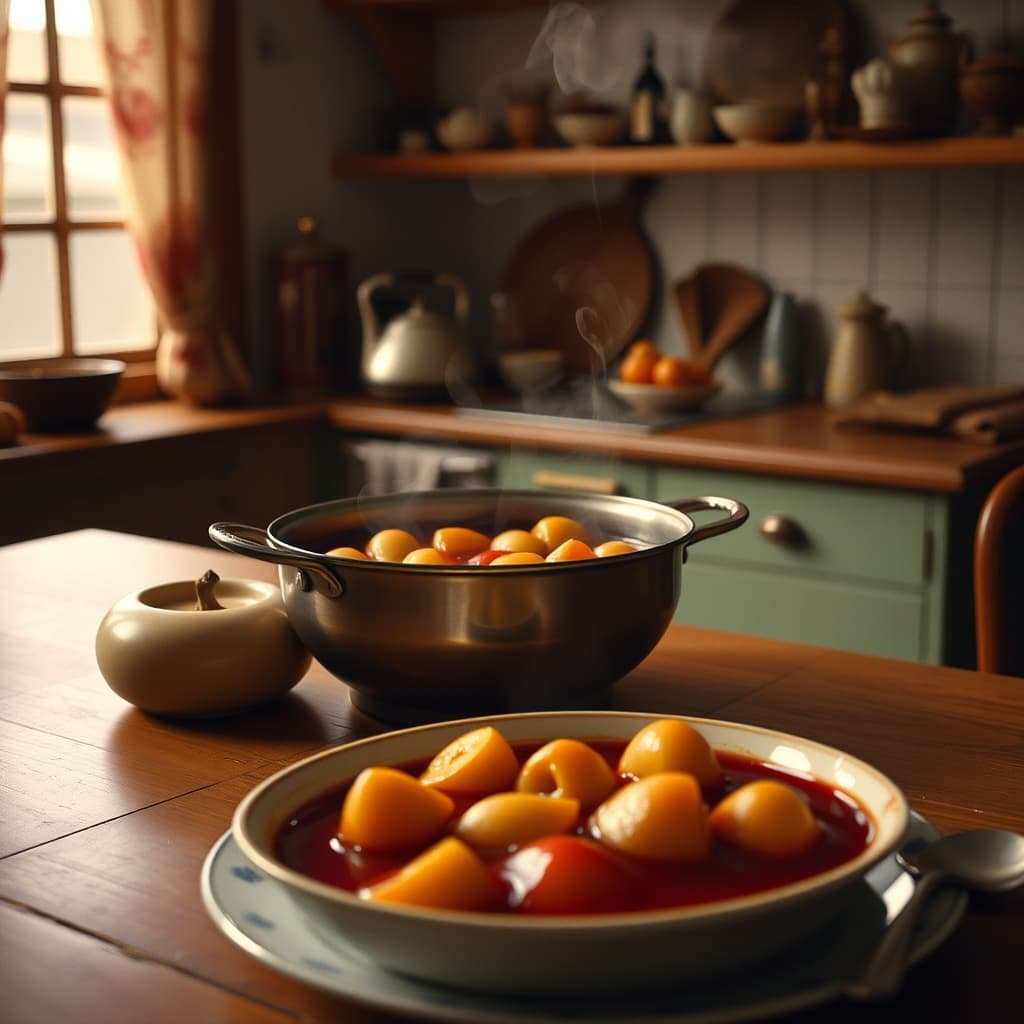
Gündelik hayat örnekleri bu hafızayı daha da canlı yapar. Tencerenin kapağı aralanınca yükselen yoğun buğu, servis tabağında biriken kırmızımsı şerbet, küçük kaşıkların önceden dizilmesi ve tatlıyı dolaba mı yoksa pencere önüne mi koymanın daha iyi olacağı üzerine konuşmalar, eski ev akşamlarının tanıdık ayrıntılarıydı. Misafir varsa tatlının sunumu biraz daha özenli olur, yoksa bile ev halkı son yemeği hafif bir törene çevirmeyi bilirdi. Ayva tatlısı çoğu zaman sonbahar ve kış mevsiminde yapılırdı; bu yüzden onun kokusu dışarıdaki serinlikle içerideki sıcaklığı birbirine bağlayan tatlı bir eşik oluştururdu. Tarçın, yalnız baharat değil; mevsimin eve kabul ediliş biçimiydi.
Bugün bu tatlıyı hatırlarken özlenen şey, sadece tadı ya da rengi değildir. Özlenen biraz da bir yemeğin pişerken bütün evi aynı duyguda buluşturabilmesidir. Modern mutfakta kokular daha hızlı tüketiliyor, tarifler daha çabuk bitiyor, sofraya gelmeden önce yiyeceğin etrafında bir hikâye oluşmuyor. Oysa tarçınlı ayva tatlısı, hazırlanışından servisine kadar zamanı yavaşlatan bir tatlıydı. Herkes onun geldiğini önceden bilir, kokusuyla akşamın tonunun değiştiğini hissederdi. Bu nedenle bütün ev aynı kokuyla dolardı; çünkü tatlı yalnız tencerede değil, evin gündelik duygusunda da pişerdi.
Sonuçta tarçınlı ayva tatlısı sofraya geldiğinde neden bütün ev aynı kokuyla dolardı sorusunun cevabı, bu tatlının mutfak sınırını aşmasında saklıdır. O, meyve, şeker ve baharatın ötesinde bir ev hâli kurar; hafif serin akşamları daha yumuşak, sofrayı daha özenli ve birlikte beklemeyi daha tatlı kılar. Bugün hafızada kalan yalnız tarçınlı ayvanın tadı değil, o kokunun duvarlardan geçerek herkesi aynı akşamın içine çağırma gücüdür.
🇬🇧 English | The Sweet Quiet of Household Evenings Joined by the Steam of Cinnamon Quince
Some desserts do not simply arrive at the table. They alter the atmosphere of the entire house while they are being made. Cinnamon quince dessert is one of them. The scent begins in the kitchen while the quinces are peeled and hollowed, grows richer as the sugar dissolves and darkens in the pot, and then spreads gently through every room when cinnamon and clove enter the scene. This dessert never seemed like something produced in haste. It felt more like a guest that demanded its own time, informed the whole household while cooking, and made a place for itself in memory before it was even served. That is why, when the quince dessert finally reached the table, everyone felt they had already passed through the same fragrance together. The taste had settled into the walls before the first spoonful was taken.
In terms of taste memory, the special place of cinnamon quince dessert comes not only from the balance of its flavor, but from the shared feeling its preparation spread through the house. In older kitchens, making dessert was often not just a result, but a long state of preparation. Quinces were held in lemon water so they would not darken, their seeds were added so the color would deepen, the syrup was allowed to thicken slowly, and people discussed whether kaymak should be placed on top. All of these details belonged to the ritual. Before the dessert reached the table, one already understood that the evening would unfold with a little more care than usual. Cinnamon quince represented one of those moments when the kitchen was not merely performing a routine task, but rebuilding the home through season, fragrance, and patience.
One reason the whole house filled with the same scent was the slow way this dessert worked. Whether baked or simmered, the smell of sugared fruit did not remain in the kitchen. It traveled into the hallway, the curtains, the sitting room, and even toward the threshold of the door. A child studying in one room, a grandmother sewing in another, and a father glancing at the newspaper might all be occupied with different things, yet they met inside the same aroma. In that way, the dessert gathered the household around a shared expectation before it ever appeared on the table. Small discussions about who liked more kaymak, who preferred extra cinnamon, or when the dish would cool enough to serve became the soft background of the evening. The quince dessert was not only a final course. It was a fragrant center organizing domestic anticipation.
The details of everyday life make that memory even more vivid. The dense steam rising when the lid was lifted, the reddish syrup gathering in the serving dish, the dessert spoons laid out in advance, and debates over whether the dish should cool in the cupboard or on the windowsill were all familiar details of older evenings at home. If guests were present, the presentation became more careful, but even without guests the household knew how to turn the final course into a small ceremony. Quince dessert was most often prepared in autumn and winter, which is why its fragrance formed a sweet threshold between the chill outdoors and the warmth inside. Cinnamon was not only a spice. It was one of the ways a season was welcomed into the house.
What is missed in remembering this dessert today is not only its taste or color. What is also missed is the power of a single dish to gather the whole house into the same feeling while it was being made. In the modern kitchen, smells are consumed more quickly, recipes end faster, and food rarely acquires a story around itself before reaching the table. Cinnamon quince dessert, by contrast, was a dessert that slowed time from preparation to serving. Everyone knew it was coming, and everyone felt the tone of the evening change through its scent. That is why the whole house filled with the same aroma. The dessert cooked not only in the pot, but also in the emotional life of the home.
In the end, the reason the entire house filled with the same scent when cinnamon quince dessert reached the table lies in the way this dessert exceeded the boundaries of the kitchen. It created a domestic state beyond fruit, sugar, and spice. It made cool evenings softer, the table more careful, and waiting together sweeter. What remains in memory today is not only the taste of cinnamon quince, but the power of that fragrance to travel through walls and call everyone into the same evening.
🇧🇷 Português (Brasil) | O Silêncio Doce das Noites da Casa Unidas pelo Vapor do Marmelo com Canela
Algumas sobremesas não chegam simplesmente à mesa. Elas mudam o ar da casa inteira enquanto são preparadas. A sobremesa de marmelo com canela é uma delas. O aroma começa na cozinha enquanto os marmelos são descascados e cavados, ganha peso quando o açúcar se dissolve e escurece na panela, e depois se espalha devagar por todos os cômodos quando entram a canela e o cravo. Essa sobremesa nunca parecia algo feito às pressas. Parecia mais uma visita que exigia o próprio tempo, avisava a casa inteira de sua presença enquanto cozinhava e abria lugar na memória antes mesmo de ser servida. Por isso, quando o doce de marmelo chegava à mesa, todos já tinham passado pelo mesmo perfume. O sabor já estava nas paredes antes da primeira colherada.
Dentro da memória do paladar, o lugar especial dessa sobremesa não vem apenas do equilíbrio do sabor, mas do sentimento comum que seu preparo espalhava pela casa. Nas cozinhas antigas, fazer sobremesa muitas vezes não era apenas alcançar um resultado, mas viver um longo estado de preparação. Os marmelos ficavam em água com limão para não escurecer, suas sementes eram colocadas na panela para reforçar a cor, a calda engrossava devagar, e discutia-se se haveria kaymak por cima. Todos esses detalhes pertenciam ao ritual. Antes mesmo de a sobremesa chegar à mesa, já se entendia que a noite teria um pouco mais de cuidado do que de costume. O marmelo com canela representava um daqueles momentos em que a cozinha não executava apenas uma tarefa, mas reorganizava a casa com estação, perfume e paciência.
Uma razão para a casa inteira se encher do mesmo aroma estava justamente no modo lento como essa sobremesa agia. Assando ou cozinhando na panela, o cheiro do fruto açucarado não ficava preso à cozinha. Seguia pelo corredor, pelas cortinas, pela sala e até pela soleira da porta. Uma criança estudando em um quarto, uma avó costurando em outro, um pai lendo o jornal, todos podiam estar ocupados com coisas diferentes e, ainda assim, se encontravam no mesmo perfume. Desse modo, a sobremesa reunia a casa em torno de uma expectativa comum antes mesmo de chegar à mesa. As pequenas conversas sobre quem queria mais kaymak, quem gostava de mais canela e quando o doce esfriaria o bastante viravam o fundo suave da noite. O doce de marmelo não era apenas a sobremesa final. Era um centro perfumado que organizava a espera doméstica.
Os detalhes do cotidiano tornam essa lembrança ainda mais viva. O vapor espesso que subia quando a tampa era levantada, a calda avermelhada juntando-se no prato de servir, as colherinhas separadas com antecedência e as conversas sobre deixar o doce esfriar no armário ou perto da janela eram detalhes muito conhecidos das noites antigas da casa. Se havia visita, a apresentação ficava ainda mais cuidadosa, mas mesmo sem convidados a família sabia transformar o último prato em pequena cerimônia. O doce de marmelo aparecia principalmente no outono e no inverno, e por isso seu perfume criava um limiar delicado entre o frio de fora e o calor de dentro. A canela não era apenas um tempero. Era uma forma de receber a estação dentro de casa.
Ao lembrar dessa sobremesa hoje, o que faz falta não é apenas o sabor ou a cor. Faz falta também a capacidade de um único prato reunir a casa inteira no mesmo sentimento enquanto ainda estava sendo preparado. Na cozinha moderna, os aromas se consomem mais depressa, as receitas terminam mais rápido e os alimentos raramente ganham uma história antes de chegar à mesa. O marmelo com canela, ao contrário, era uma sobremesa que desacelerava o tempo do começo ao fim. Todos sabiam que ela vinha, e todos percebiam o tom da noite mudar com seu perfume. É por isso que a casa inteira se enchia do mesmo cheiro. O doce cozinhava não apenas na panela, mas também na vida afetiva da casa.
No fim, a resposta para por que a casa inteira se enchia do mesmo aroma quando a sobremesa de marmelo com canela chegava à mesa está no fato de ela ultrapassar os limites da cozinha. Ela criava um estado doméstico que ia além de fruta, açúcar e especiaria. Tornava as noites frias mais suaves, a mesa mais cuidadosa e a espera em conjunto mais doce. O que permanece na memória hoje não é apenas o sabor do marmelo com canela, mas a força desse perfume de atravessar as paredes e chamar todos para a mesma noite.