 Eski Pano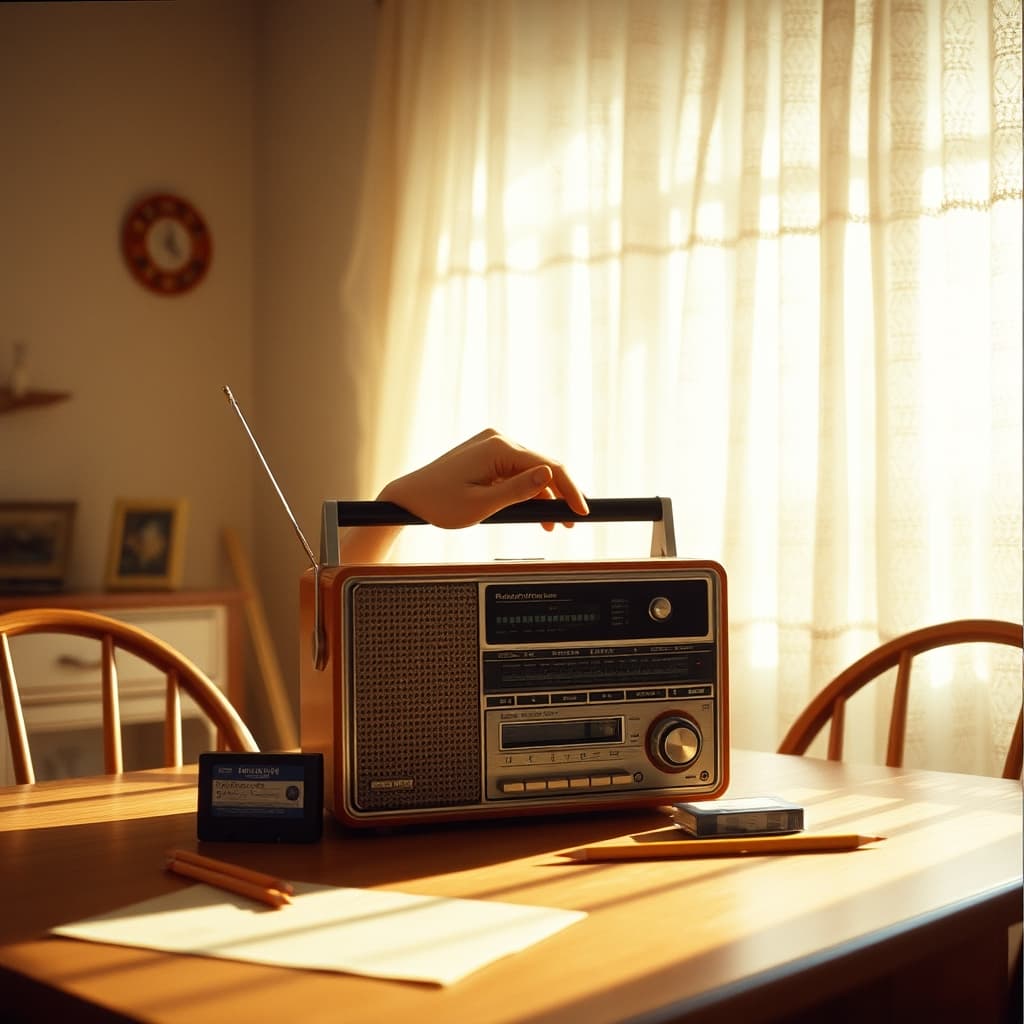
Using a cassette player involved decisions before music began. A listener selected a case, checked the handwritten label, confirmed side A or B, and estimated whether the tape needed rewinding. The cassette clicked into place, the door closed, and the play key engaged a sequence of belts, gears, rollers, capstan, and magnetic heads. A brief hiss arrived before the first note, making the beginning audible as a mechanical event.
Players varied from simple mono units to stereo decks, portable recorders, radio-cassette combinations, car systems, and component hi-fi. Features such as counters, auto-stop, recording level, Dolby noise reduction, auto-reverse, and microphone inputs changed the ritual. An antenna mattered only when a model included a radio receiver and someone wanted a broadcast signal. It had no role in moving tape or reproducing a prerecorded cassette.
The Two Sides Structured Time
A cassette side had finite duration. Albums, compilations, lessons, and home recordings were arranged around that limit. Listeners learned when the final track ended and when to turn the tape. Fast-forward and rewind involved sound, waiting, and educated guesses from the counter. Stopping near a desired song was a practiced skill, not instant access.
Recording added further decisions. Tabs on the shell controlled accidental erasure, levels affected distortion and noise, and radio announcers could interrupt a song. Copying from another cassette reduced quality. Labels, crossed-out titles, and changes in handwriting preserve these layers. Copyright and privacy still apply when old recordings are digitised or shared.
Maintenance Protected Tape and Sound
Dirty heads reduced clarity; worn belts changed speed; hardened pinch rollers caused poor transport; misalignment affected high frequencies. Cleaning must use appropriate materials and locations. Household oils, aggressive solvents, and random adjustment of head screws can cause damage. A cassette spilling tape should not be pulled or repeatedly played.
Batteries added economy and risk to portable models. Weak cells slowed playback, while forgotten batteries leaked. Mains-powered equipment can contain hazardous voltage. A qualified technician should inspect damaged cables, internal electronics, or uncertain vintage devices before use.
The Ritual Created Focus
Because choosing and cueing required effort, listeners often committed to a side rather than skipping constantly. Families gathered around a radio-cassette player, one person controlling volume and sequence. Shared listening could produce conversation and disagreement, while private listening created other habits. The technology shaped attention without guaranteeing deeper appreciation.
An archive should document player model, cassette order, labels, batteries, power supply, repairs, cleaning tools, listening location, and users. Transfer fragile recordings on known-good equipment with settings recorded, keeping original tapes and boxes in stable storage. The ritual is memorable because magnetic sound required visible preparation and care. Its hope sharpened through a correctly moving tape, not through an unrelated antenna. The pause key had its own place in the ritual. It allowed a listener to avoid an announcer, prepare to record, or interrupt playback without losing position. Repeated use wore mechanisms, and the tiny delay between pressing and movement became part of the operator’s timing. Control labels and counter numbers are therefore useful evidence.