Eski Pano
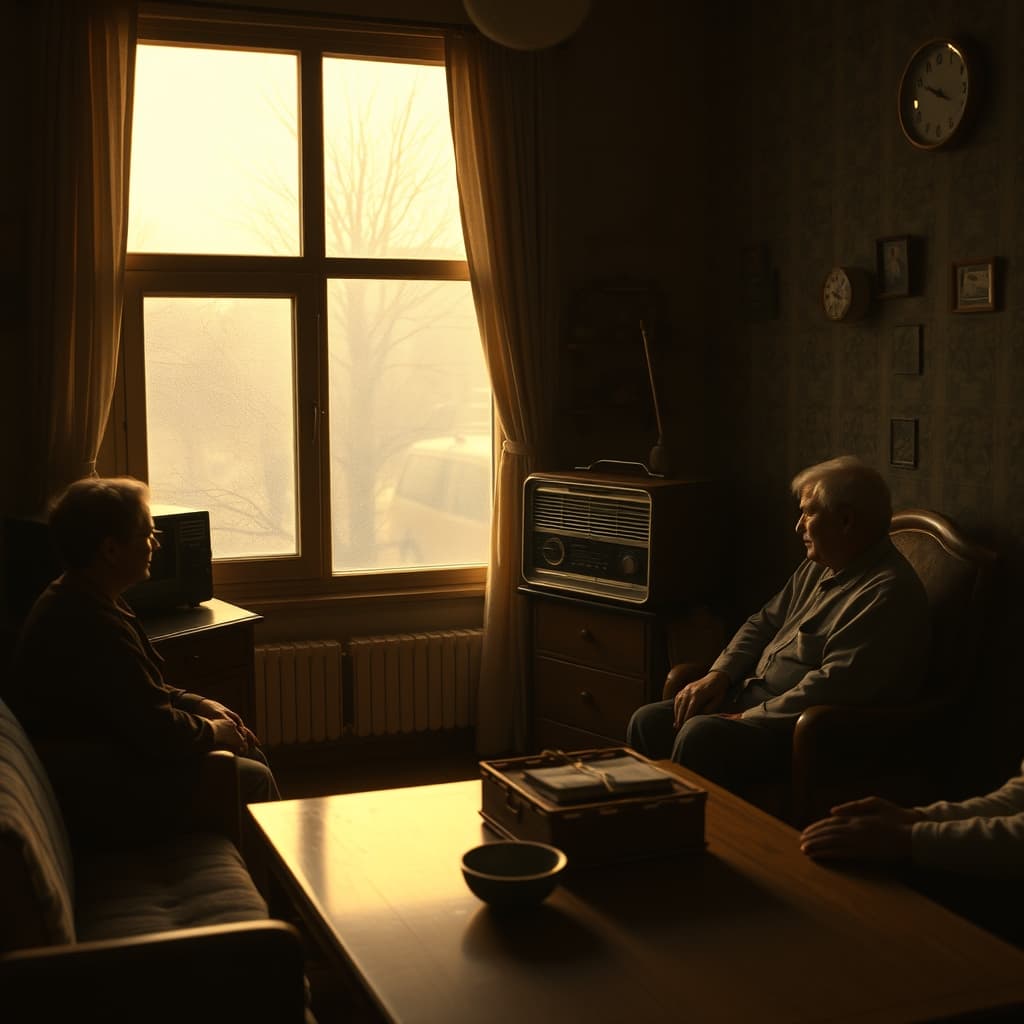
On chilly mornings in March, old neighborhoods often woke to the crackle of a radio. While tea simmered on the stove and filled the kitchen with steam, the date March 18 on the wall calendar seemed to stand out more sharply. Elders treated that day not as a formal ceremony alone, but as a trust carried inside the home. Whenever Canakkale was mentioned, conversation at the table slowed down, and even children lowered their voices with an instinctive respect. This is why the spirit of March 18 took root in daily life before it appeared on any official podium.
In old newspapers, the day was recorded not only through official statements but through testimony. Columns described the misty morning over the strait, the echo of artillery over the water, and the quiet farewells of young men leaving for the front. In neighborhood coffeehouses, people gathered around whoever read the paper aloud and found their own family stories between the lines. One had a grandfather on that front, another had an uncle who never returned, another remembered a grandmother who wore black for years. Personal fragments joined the national narrative and kept memory alive where history from books met history from the home.
School commemorations carried their own atmosphere as well. Marches came through buzzing loudspeakers, students stood in lines in the morning cold, and while teachers read prepared texts, some parents wiped their eyes. After the ceremony, children returned to their games, yet the cadence of those words remained with them. These rituals did not place the past behind glass; they translated it into the language of the present. Canakkale was taught not only as military victory, but as a name for solidarity, patience, and shared fate.
Another force sustaining the March 18 spirit was intergenerational storytelling. In the evenings, when documentaries played on television, elders added details they had heard from their own elders: hot soup served in metal cups, letters arriving weeks late, long nights of waiting in silence. Such details did not romanticize war; they made human endurance visible. For children, history suddenly became tangible. They learned that a stone, a letter, even a line of song could carry memory.
Looking back today, what keeps March 18 powerful is not only the historic resistance itself, but the way that resistance is continuously re-enacted in ordinary life. The silence around the radio, the schoolyard march, a brief prayer at dinner, a yellowing newspaper clipping saved in a drawer all belong to one cultural backbone. National memory is therefore not a single monument. It is a shared field that lives in homes, streets, classroom boards, and sentences passed from one generation to the next.
The echo that rose at dawn on the Canakkale horizon still guides public conscience: the ability to stand together in hard times. The living spirit of March 18 teaches not only admiration for the past, but responsibility in the present. Nostalgia here is not empty longing; it is the will to preserve cultural inheritance. That is why each March morning, the date is reborn not only on the calendar, but in memory.
The Resistance Echoing at Dawn on the Horizon of Canakkale: The Spirit of March 18 Alive in National Memory