 Eski Pano
There was a time when morning did not begin merely with the movement of the clock, but with the layering of the first sounds that woke a neighborhood. The milkman’s can, the short line forming in front of the bakery at dawn, the hurriedly closing apartment door, and from farther away the metallic murmur of a suburban train worked like an invisible seam stitching together the city’s working face. Curtains were drawn back, a window wing was pushed open, and the cool air that entered carried not only freshness but movement. Even before breakfast had been cleared, the sound of the train on the rails created the feeling that the city had already begun. That is why those mornings that made people open the window meant more than letting in air. They meant listening to the rhythm of the city itself.
Seen in historical perspective, suburban trains were among the quietest yet strongest connectors of old urban life. The center and the outer neighborhoods, office blocks and modest homes, civil servant districts and factory edges all moved toward one another each morning inside the same carriages. These trains did not carry only passengers. They carried discipline, a shared sense of time, and a collective urban consciousness. Newspapers were tucked under arms, leather bags rested on knees, and coat collars were lifted against the early chill. The quickening footsteps toward the station, the small crowd gathering before arrival, and the brief hush before the whistle all belonged to the daily reconstruction of the city’s working order. In that sense, the suburban line was not only transport. It was the social backbone of the morning.
Part of the reason these mornings remain so vivid in memory lies in their sensory density. When a window was opened, the smell of rails, cold air mixed with oil or coal, the half-heard tremor of a distant station announcement, and the repeated cadence of the tracks left scenes that were difficult for a child’s mind to lose. For the person staying at home, the train’s sound announced that the outer world had begun. For the person hurrying aboard, that same sound gathered the seriousness of the day into itself. Mothers placing the last bite onto a breakfast plate often listened not to the clock, but to the train. Fathers snatching up overcoats heard voices from the next room saying there was still time to catch it. How far the morning had advanced was measured not only by the color of the sky, but by the movement on the line.
Small details of everyday life make that old urban breath more concrete. On the street leading to the station, the same simit seller appeared each day, similar faces collected in front of the ticket window, and the mist on train glass was wiped away with a palm. Some passengers knew how to unfold a newspaper with one hand while standing; others had formed a wordless familiarity with the strangers they saw in the same carriage every morning. For the child remembering from home, the clearest thing was the rhythm heard from the window. The opening of the frame, the curtain swelling gently, and the slight tremor of a teacup saucer as the train passed revealed the pulse of city life extending into the house itself. Transport may be faster today, but those older suburban mornings carried less the feeling of speed than the feeling of continuity. A person sensed themselves not merely in transit, but inside a repeated civic order.
Suburban trains also softened the social map of the city. Passengers from different districts became tied to the same hour, looked up at the same station signs, and grumbled together at the same delay. It was a companionship never described in grand language, yet strengthened by daily repetition. Children sometimes ran to the window after their fathers left and counted the passing carriages, then learned by evening to recognize in the same line the sound of fatigue returning home. In this way, the train carried not only the commute, but also the emotional bond between house and city. The vividness of those window-opening mornings comes partly from here: the city was not an outside spectacle, but a shared presence entering the home.
In the end, if the mornings when suburban trains connected the commuting city to itself still remain alive in memory, it is not simply because of nostalgia for an older means of transport. What is remembered is the collective motion heard after opening the window, the daily discipline mingling with the sound of rails, and the feeling that morning began for everyone in common. While those trains took people from one place to another, they also taught them what it meant to wake together with the city. What keeps those window-opening mornings vivid today is precisely that shared rhythm etched into domestic memory.
Mornings in Old City Life When Suburban Trains Connected the Commuting City to Itself: Why Do These Window-Opening Mornings Still Feel So Vivid in Memory?
🇹🇷 Eski Şehir Hayatında Banliyö Trenlerinin İşe Giden Şehri Birbirine Bağladığı Sabahlar: Hafızada Neden Hâlâ Bu Kadar Canlı Cam Açtıran Sabahlar
🇵🇹 Manhãs da Vida Urbana Antiga em que os Trens Suburbanos Ligavam a Cidade que Ia Ao Trabalho a Si Mesma: Por que Essas Manhãs que Faziam Abrir a Janela Ainda Permanecem Tão Vivas na Memória?
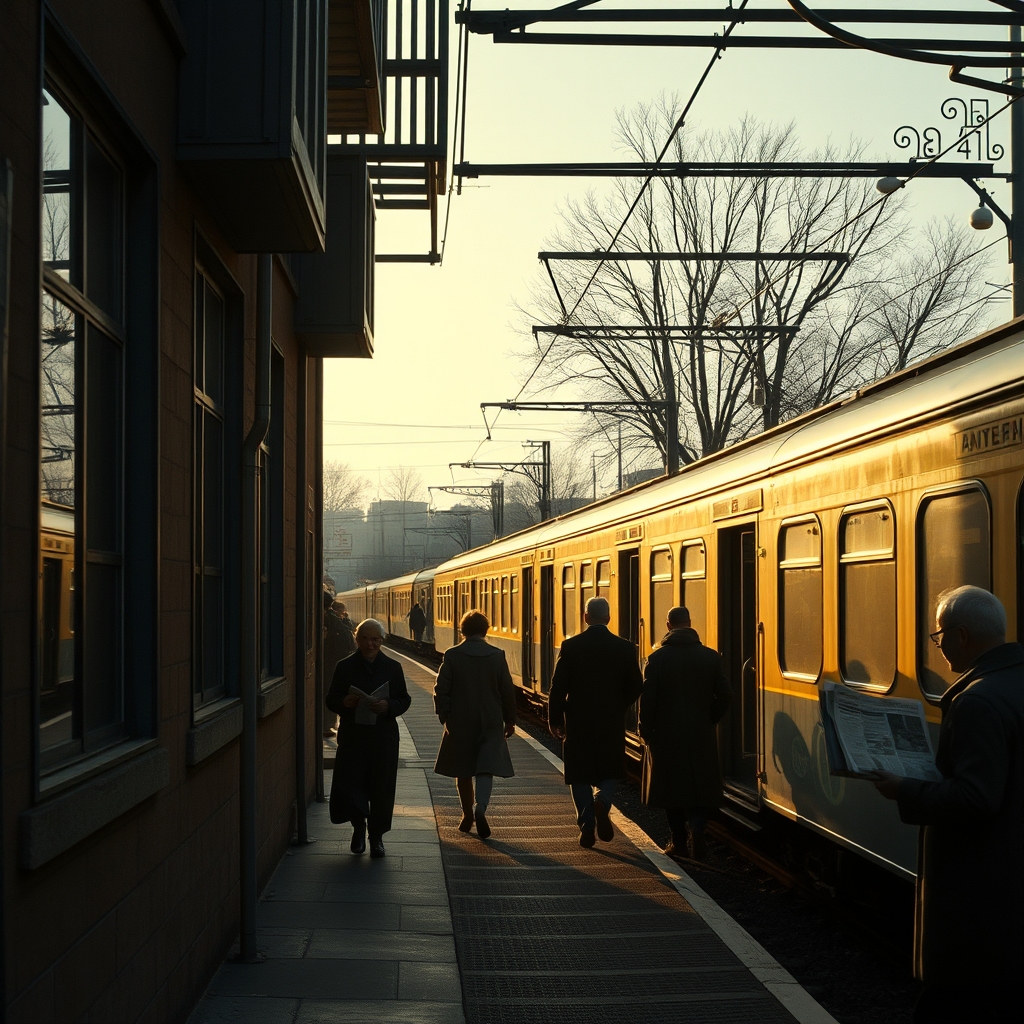
🇬🇧 The Old Urban Breath Formed in the Window-Opening Mornings of Suburban Trains
🇹🇷 Banliyö Trenlerinin Cam Açtıran Sabahlarında Kurulan Eski Şehir Nefesi
Bir zamanlar sabah dediğimiz şey yalnız saatin ilerleyişiyle başlamazdı; mahalleyi uyandıran ilk seslerin birbirine eklenmesiyle kurulurdu. Sütçünün tenekesi, erkenden açılan fırının önündeki kısa kuyruk, apartman girişinde telaşla kapanan kapı ve biraz öteden duyulan banliyö treninin metalik uğultusu, şehrin işe giden yüzünü birbirine bağlayan görünmez bir dikiş gibiydi. Evlerde perdeler aralanır, pencere kanadı hafifçe itilirdi. İçeri dolan serinlik yalnız havayı değil, sabahın hareketini de taşırdı. Rayların üstünde ilerleyen trenin sesi, henüz kahvaltı masası toplanmadan bile “şehir başladı” duygusunu verir; insanlar o sese bakmadan da saat tutardı. Cam açtıran o sabahlar, işte bu yüzden yalnız hava almak değil, şehrin ritmine kulak vermek anlamına gelirdi.
Zamanın İzinde bakıldığında banliyö trenleri, eski şehir hayatının en sessiz ama en güçlü bağlayıcılarından biriydi. Merkez ile kenar mahalle, iş hanı ile mütevazı ev, memur mahallesi ile fabrika çevresi, her sabah aynı vagonların içinde birbirine yaklaşırdı. O trenler yalnız insan taşımaz; aynı zamanda gündelik disiplin, zaman duygusu ve ortak bir şehir bilinci taşırdı. Gazeteler koltuk altına sıkıştırılır, deri çantalar diz üstünde tutulur, ince paltoların yakaları sabah serinliğine karşı kaldırılırdı. İstasyona doğru yürüyen ayakların telaşı, tren gelmeden biriken küçük kalabalık ve düdük sesinden hemen önce yaşanan kısa sessizlik, şehrin her gün yeniden kurulan çalışma düzeninin parçasıydı. Banliyö hattı, burada yalnız bir ulaşım çizgisi değil, sabahın toplumsal omurgasıydı.
Bu sabahların hafızada hâlâ canlı kalmasının nedeni biraz da duyusal yoğunluklarıdır. Cam açıldığında içeri giren ray kokusu, kömür ya da yağ kokusuna karışan soğuk hava, uzak istasyondan gelen anonsun yarım işitilen titreşimi ve rayların düzenli tekrarı, çocuk zihinlerinde kolay kolay silinmeyen sahneler bırakırdı. Evde kalan biri için tren sesi dış dünyanın başladığını haber verirdi; trene yetişen biri içinse günün ciddiyeti o seste toplanırdı. Anneler kahvaltı tabağına son lokmayı koyarken kulakları saatte değil, çoğu zaman tren sesindeydi. Babalar pardösülerini alıp aceleyle çıkarken arka odadan “yetişirsin” diye seslenilirdi. Sabahın ne kadar ileri gittiği, gökyüzünün renginden çok hattın hareketiyle anlaşılırdı.
Gündelik hayat ayrıntıları bu eski şehir nefesini daha somut kılar. İstasyona giden sokakta aynı simitçi görünür, bilet gişesinin önünde her gün benzer yüzler birikir, trenin camlarına vuran buğu avuç içiyle silinirdi. Bazı yolcular ayakta giderken gazeteyi tek elle açmayı bilirdi; bazıları aynı vagonda her sabah gördüğü yabancıyla hiç konuşmadan tanışıklık kurmuştu. Eve dönen çocuk hafızası için ise en belirgin şey, pencere önünde duyulan o ritimdi. Camın açılması, perdelerin hafifçe kabarması ve tren geçerken fincan tabağının usulca titremesi, şehir hayatının ev içine kadar uzanan nabzını gösterirdi. Bugün modern ulaşım çok daha hızlı olabilir; ama o eski banliyö sabahlarında hızdan çok devamlılık hissi vardı. İnsan kendini yalnız yolda değil, bir topluluğun tekrar eden düzeni içinde hissederdi.
Banliyö trenleri aynı zamanda şehrin sosyal haritasını yumuşatan alanlardı. Farklı semtlerden gelen yolcular aynı saate bağlanır, aynı istasyon tabelalarına bakar, aynı gecikmeye birlikte homurdanırdı. Bu, büyük laflarla anlatılmayan ama her gün tekrarlandığı için güçlüleşen bir ortaklıktı. Çocuklar bazen babalarının ardından pencereye koşup vagonları sayar, akşam dönüşte aynı hattın sesiyle eve yaklaşan yorgunluğun tonunu ayırt etmeyi öğrenirdi. Böylece tren, yalnızca işe gidişi değil, ev ile şehir arasındaki duygusal bağı da taşıyan bir unsur hâline gelirdi. Cam açtıran sabahların canlılığı biraz da buradan gelir: o anlarda şehir dışarıda kalan bir manzara değil, evin içine kadar giren bir beraberlik duygusuydu.
Sonuçta eski şehir hayatında banliyö trenlerinin işe giden şehri birbirine bağladığı sabahlar bugün hâlâ hatırlanıyorsa, bu yalnız nostaljik bir ulaşım biçimine duyulan özlemden kaynaklanmaz. Hatırlanan şey, pencereyi açınca duyulan toplu hareket, ray sesine karışan gündelik disiplin ve sabahın herkes için ortak bir başlangıç gibi hissedilmesidir. O trenler bir yerden bir yere götürürken aynı zamanda insanlara şehirle birlikte uyanmanın ne demek olduğunu da öğretirdi. Bugün cam açtıran o sabahları canlı kılan, tam da bu paylaşılan ritmin ev içi hafızaya işlenmiş olmasıdır.
🇵🇹 O Antigo Fôlego Urbano Formado nas Manhãs em que os Trens Suburbanos Faziam Abrir a Janela
Houve um tempo em que a manhã não começava apenas com o avanço do relógio, mas com a soma dos primeiros sons que despertavam o bairro. A lata do leiteiro, a pequena fila diante da padaria ainda cedo, a porta do prédio se fechando com pressa e, mais adiante, o rumor metálico do trem suburbano funcionavam como uma costura invisível unindo a face trabalhadora da cidade. As cortinas eram afastadas, a janela se abria um pouco, e o ar fresco que entrava trazia não só a temperatura da rua, mas também seu movimento. Mesmo antes de a mesa do café ser recolhida, o som do trem sobre os trilhos já dizia que a cidade havia começado. Por isso aquelas manhãs que faziam abrir a janela significavam mais do que deixar o vento entrar. Significavam ouvir o compasso da própria cidade.
Vista no tempo, a ferrovia suburbana foi uma das ligações mais silenciosas e mais fortes da antiga vida urbana. Centro e periferia, escritórios e casas modestas, bairros de funcionários e áreas de fábrica se aproximavam todas as manhãs dentro dos mesmos vagões. Esses trens não levavam apenas passageiros. Levavam disciplina, noção de horário e uma consciência comum de cidade. Jornais iam debaixo do braço, bolsas de couro repousavam sobre os joelhos, e as golas dos casacos se erguiam contra o frio da manhã. Os passos apressados rumo à estação, a pequena aglomeração antes da chegada e o breve silêncio antes do apito faziam parte da ordem diária do trabalho urbano. Nesse sentido, a linha suburbana não era apenas transporte. Era a espinha social da manhã.
Parte do motivo de essas cenas permanecerem tão vivas na memória está na sua força sensorial. Ao abrir a janela, entravam o cheiro dos trilhos, o ar frio misturado ao odor de óleo ou carvão, a vibração meio distante de um anúncio de estação e o ritmo repetido das rodas. Tudo isso deixava imagens difíceis de apagar da lembrança infantil. Para quem ficava em casa, o som do trem avisava que o mundo lá fora tinha começado. Para quem corria para embarcar, esse mesmo som concentrava a seriedade do dia. As mães, ao colocar a última mordida no prato do café, muitas vezes escutavam mais o trem do que o relógio. Os pais, pegando o sobretudo às pressas, ouviam de outro cômodo que ainda dava tempo de alcançar a composição. O avanço da manhã era medido não só pela cor do céu, mas pelo movimento da linha.
Os detalhes do cotidiano tornam esse velho fôlego urbano mais concreto. Na rua que levava à estação, o mesmo vendedor de simit aparecia todos os dias, rostos parecidos se juntavam diante da bilheteria, e o embaçado da janela do vagão era limpo com a palma da mão. Alguns passageiros sabiam abrir o jornal com uma só mão enquanto viajavam em pé; outros haviam criado uma familiaridade silenciosa com desconhecidos vistos no mesmo vagão toda manhã. Para a criança que se lembrava de casa, o mais marcante era o ritmo ouvido da janela. A esquadria se abrindo, a cortina inflando devagar e o pires tremendo de leve quando o trem passava mostravam o pulso da cidade entrando dentro de casa. O transporte de hoje pode ser mais rápido, mas aquelas manhãs suburbanas antigas carregavam menos a ideia de velocidade do que a de continuidade. A pessoa se sentia não apenas em trânsito, mas dentro de uma ordem urbana repetida.
Os trens suburbanos também suavizavam o mapa social da cidade. Passageiros de bairros diferentes se prendiam ao mesmo horário, observavam as mesmas placas de estação e resmungavam juntos diante do mesmo atraso. Era uma forma de companhia que não se dizia em grandes palavras, mas se fortalecia pela repetição. Crianças às vezes corriam para a janela depois da saída do pai e contavam os vagões; ao anoitecer, aprendiam a reconhecer no mesmo som a fadiga voltando para casa. Assim, o trem não transportava só o trajeto do trabalho, mas também o vínculo afetivo entre a casa e a cidade. A vivacidade dessas manhãs que faziam abrir a janela vem também daí: a cidade não era um cenário externo, mas uma presença compartilhada que entrava no lar.
No fim, se as manhãs em que os trens suburbanos ligavam a cidade trabalhadora a si mesma ainda permanecem na memória, isso não acontece apenas por nostalgia de um antigo meio de transporte. O que se recorda é o movimento coletivo ouvido depois de abrir a janela, a disciplina cotidiana misturada ao som dos trilhos e a sensação de que a manhã começava para todos de uma só vez. Enquanto levavam pessoas de um lugar ao outro, esses trens também ensinavam o que significava despertar junto com a cidade. O que mantém vivas essas manhãs até hoje é justamente esse ritmo compartilhado gravado na memória doméstica.