 Eski Pano
Quince jam belongs to the kind of sweetness that gains meaning not only on the table, but at the threshold between seasons. When the scent of quince begins to rise in the kitchen on mornings that are cooling into autumn or on days leaning toward winter, the house fills not merely with the preparation of food, but with an inward calm set against approaching change. The yellow quinces waiting on the counter, the slow boil in a copper pot, the warmth gathering by the stove against the darkening afternoon, and the impatience for the first spoonful all create one of the most familiar scenes of older kitchen culture. The jam is not simply fruit meeting sugar. It is the season itself being caught before it slips away.
Within taste memory, quince jam holds a special place because it preserves not only flavor, but a sense of time. Quince does not carry the same associations in every month. It becomes most meaningful when the air shifts, light cardigans return, and pantry shelves begin to be rearranged. In older homes the kitchen calendar was often organized by the seasons, and jam-making belonged to that calendar both practically and emotionally. How much sugar to add, when the lemon should enter, whether the seeds would deepen the color, all these were small pieces of knowledge passed from one generation to the next. Every household’s jam was slightly different: clearer in one home, darker in another, scented with cloves somewhere else, or made in a plain style that trusted only the fruit itself.
One reason quince jam feels more meaningful during seasonal transitions is that it represents patience. Quince is not a fruit that yields quickly. Peeling it, slicing it, feeling its firmness darken in the hand, and then watching it slowly soften in the pot bring into the kitchen a rhythm that refuses haste. In older kitchens this patience was not only a culinary technique, but also part of domestic discipline. While tea brewed on one side, jar lids were prepared on the other, and the foam rising on the jam was removed with care. Children waited to taste from the pot, and elders smiled while saying it was not ready yet. In such moments the jam became a shared waiting within the family.
Everyday examples make this older kitchen culture even clearer. A small glass dish of quince jam at breakfast was not merely a sweet accompaniment to bread, but also a sign that the house had prepared itself well. Serving it to guests, offering it to someone unwell to restore appetite, or sending a jar next door showed that it held a social meaning extending beyond the kitchen. Its bright color, the translucent slices, and the heavy way it flowed onto a spoon also brought visual richness into the home. Jars lined up on a pantry shelf stood like quiet emblems of labor and of a household that had managed to meet the season in time.
Quince jam can still be made today, perhaps even more easily, yet what keeps old kitchen culture alive is not only the jam itself, but the ritual around it. Choosing the fruit at the market, smelling it while peeling it, waiting for the seeds to release their pink hue, and placing the first jar in a cool corner all reconnect a person with the season. That is why quince jam gains more meaning during periods of transition. It speaks not only to the palate, but to the home, gently announcing that the season is turning.
In the end, if quince jam remains so strong in memory as a flavor that keeps old kitchen culture alive, the reason is not taste alone. It gathers patience, preparation, seasonal wisdom, and the small shared labors of family life. What enters the jar is not only fruit, but a sweet and storable form of passing time. That is why quince jam becomes even more meaningful when the seasons change: it softens and announces the transformation happening inside the home itself.
Quince Jam: Why It Gains Even More Meaning During Seasonal Transitions and How It Keeps Old Kitchen Culture Alive
🇹🇷 Ayva Reçeli: Mevsim Geçişlerinde Neden Daha Da Anlam Kazanıyor Ve Eski Mutfak Kültürünü Nasıl Yaşatıyor
🇵🇹 Geleia de Marmelo: Por que Ganha Ainda Mais Sentido nas Mudanças de Estação e Como Mantém Viva a Antiga Cultura da Cozinha
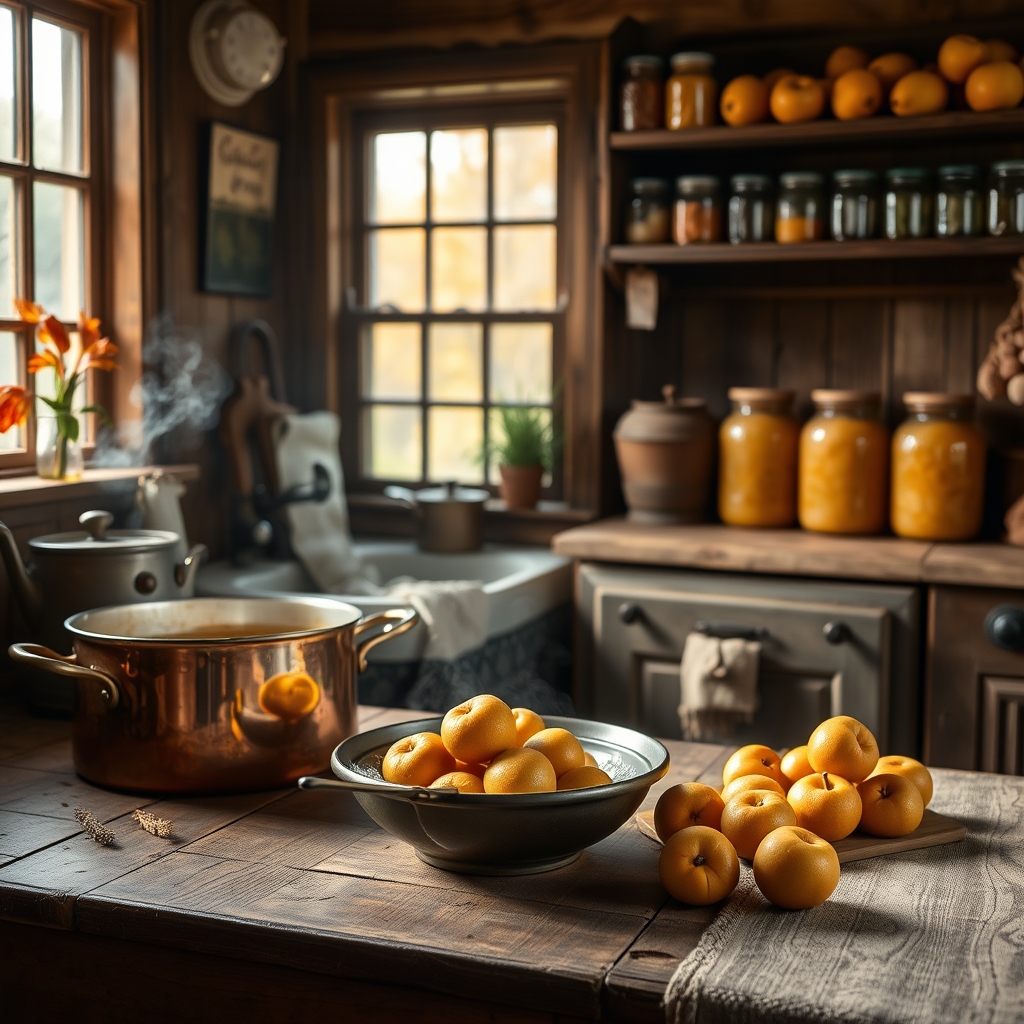
🇬🇧 The Old Kitchen Memory of Quince Jam Shining Between the Seasons
🇹🇷 Ayva Reçelinin Mevsim Arasında Parlayan Eski Mutfak Hafızası
Ayva reçeli bazı tatlılar gibi yalnız sofrada değil, mevsimin tam eşiğinde anlam kazanan yiyeceklerdendir. Sonbaharın serinlemeye başlayan sabahlarında ya da kışa yaklaşan günlerde mutfakta ayva kokusu yükseldi mi, evin içi yalnız bir yemek hazırlığıyla değil, yaklaşan değişime karşı kurulmuş bir iç huzurla dolar. Tezgahta bekleyen sarı ayvalar, bakır tencerenin içindeki ağır kaynama sesi, kararan havaya karşı ocak başında biriken sıcaklık ve tabağa konacak ilk kaşığın sabırsızlığı, eski mutfak kültürünün en tanıdık sahnelerinden birini oluşturur. Reçel burada yalnız meyvenin şekere kavuşması değil, mevsimin elden kaçmadan kavanoza alınmasıdır.
Damak Hafızası içinde ayva reçelinin özel bir yeri vardır; çünkü onda yalnız tat değil, zaman duygusu da saklıdır. Ayva yılın her anında aynı çağrışımı yapmaz. En çok havanın döndüğü, ince hırkaların çıktığı, kiler raflarının yeniden düzenlendiği dönemlerde anlam kazanır. Eski evlerde mutfak takvimi çoğu zaman mevsime göre kurulurdu ve reçel yapmak bu takvimin hem pratik hem duygusal işlerindendi. Şeker ölçüsü, limonun ne zaman ekleneceği, ayvanın çekirdeğinden renk alıp almayacağı gibi ayrıntılar kuşaktan kuşağa geçen küçük bilgilerdi. Her evin reçeli biraz başka olurdu; kimi daha saydam, kimi daha koyu, kimi karanfilli, kimi yalnız meyvenin kokusuna yaslanan bir sadelikte hazırlanırdı.
Mevsim geçişlerinde ayva reçelinin daha anlamlı hissedilmesinin bir nedeni, onun sabrı temsil etmesidir. Ayva çabuk teslim olan bir meyve değildir; soyulması, dilimlenmesi, kararırken elde bıraktığı sertlik ve tencerede yavaş yavaş yumuşaması, mutfağa acele kabul etmeyen bir ritim getirir. Eski mutfaklarda bu sabır yalnız pişirme tekniği değil, ev içi terbiyenin de parçasıydı. Bir yanda çay demlenirken, öte yanda kavanoz kapakları hazırlanır, reçelin köpüğü dikkatle alınırdı. Çocuklar tencereden tadına bakmak için bekler, büyükler “daha olmadı” diye gülümseyerek kaşığı geri çekerdi. Böyle anlarda reçel, aile içinde paylaşılan bir bekleyişe dönüşürdü.
Gündelik hayat örnekleri bu eski mutfak kültürünü daha da belirgin kılar. Kahvaltı masasında küçük cam reçellikte duran ayva reçeli, yalnız ekmeğe sürülen tatlı bir eşlikçi değildi; evin hazırlıklı oluşunun da işaretiydi. Misafir geldiğinde ikram edilmesi, hastaya iştah açsın diye verilmesi, bazen bir kavanozunun komşuya gönderilmesi, onun mutfak içinden taşan toplumsal bir anlam taşıdığını gösterirdi. Reçelin parlak rengi, ayva dilimlerinin yarı saydam hâli ve kaşığa gelirken bıraktığı ağır akış, eski evlerde görsel bir zenginlik de yaratırdı. Kiler rafında yan yana duran kavanozlar, ev sahibinin emeğini ve mevsime yetişmiş hazırlığını gösteren sessiz birer nişan gibiydi.
Bugün ayva reçeli hâlâ yapılabilir, hatta çok daha kolay tariflerle hazırlanabilir; ama eski mutfak kültürünü yaşatan şey yalnız reçelin kendisi değil, onun çevresindeki ritüeldir. Meyveyi pazardan seçmek, mutfakta soyarken kokusunu duymak, ayva çekirdeğinin verdiği pembe tonu beklemek ve ilk kavanozu serin bir yere kaldırmak, insanı mevsimle yeniden ilişkiye sokar. Bu yüzden ayva reçeli, geçiş zamanlarında daha fazla anlam kazanır. Çünkü o, yalnız damağa değil, eve de “mevsim dönüyor” diyen tatlı bir habercidir.
Sonuçta ayva reçeli eski mutfak kültürünü yaşatan bir lezzet olarak hafızada güçlü kalıyorsa, bunun nedeni onun sadece güzel tadı değildir. O reçel, sabrı, hazırlığı, mevsim bilgeliğini ve aile içinde paylaşılan küçük emekleri bir araya getirir. Kavanoza giren şey yalnız meyve değil; geçip giden zamanın tatlı ve saklanabilir hâlidir. Bu yüzden mevsim geçişlerinde ayva reçeli daha da anlam kazanır: evin içindeki değişimi yumuşatarak duyurur.
🇵🇹 A Antiga Memória da Cozinha que Brilha na Geleia de Marmelo Entre as Estações
A geleia de marmelo pertence àquelas doçuras que ganham sentido não apenas à mesa, mas no exato limiar entre uma estação e outra. Quando o cheiro do marmelo sobe na cozinha em manhãs que já esfriam para o outono ou em dias que caminham para o inverno, a casa se enche não só de preparo culinário, mas de uma serenidade interior diante da mudança que se aproxima. Os frutos amarelos sobre a bancada, a fervura lenta na panela de cobre, o calor reunido ao lado do fogão enquanto a tarde escurece e a expectativa pela primeira colher formam uma das cenas mais conhecidas da antiga cultura da cozinha. A geleia, aqui, não é apenas fruta encontrando açúcar. É a própria estação sendo guardada antes que escape.
Na memória do paladar, a geleia de marmelo ocupa um lugar especial porque guarda não só sabor, mas também noção de tempo. O marmelo não desperta as mesmas associações em qualquer mês do ano. Ele ganha força justamente quando o ar muda, os casaquinhos voltam e as prateleiras da despensa começam a ser reorganizadas. Nas casas antigas, o calendário da cozinha era muitas vezes montado de acordo com as estações, e fazer geleia pertencia a esse calendário tanto de forma prática quanto afetiva. A quantidade de açúcar, o momento certo do limão, o uso das sementes para intensificar a cor, tudo isso era um saber pequeno transmitido entre gerações. Cada casa tinha sua versão: mais clara em uma, mais escura em outra, com cravo em algum lugar, ou preparada com simplicidade para deixar só a fruta falar.
Uma das razões para a geleia de marmelo parecer mais significativa nas mudanças de estação é que ela representa paciência. O marmelo não é uma fruta que se entrega depressa. Descascá-lo, cortá-lo, sentir sua firmeza escurecer na mão e depois observá-lo amolecer lentamente na panela introduz na cozinha um ritmo que não aceita pressa. Nas cozinhas antigas, essa paciência não era só técnica culinária, mas também parte da disciplina da casa. Enquanto o chá era passado de um lado, as tampas dos potes eram preparadas do outro, e a espuma da geleia era retirada com cuidado. As crianças esperavam para provar da panela, e os mais velhos sorriam dizendo que ainda não estava pronta. Nesses momentos, a geleia se transformava numa espera compartilhada dentro da família.
Os exemplos do cotidiano tornam essa antiga cultura da cozinha ainda mais nítida. Um pequeno recipiente de vidro com geleia de marmelo no café da manhã não era apenas um acompanhamento doce para o pão, mas também sinal de que a casa havia se preparado bem. Servi-la aos visitantes, oferecê-la a alguém doente para abrir o apetite ou mandar um pote para a vizinha mostrava que seu significado ultrapassava a cozinha. Sua cor brilhante, as fatias quase transparentes e o modo espesso como descia sobre a colher acrescentavam também uma riqueza visual à casa. Os potes alinhados na despensa funcionavam como pequenos emblemas do trabalho feito e da temporada acolhida na hora certa.
Ainda hoje é possível fazer geleia de marmelo, talvez até com receitas mais fáceis, mas o que mantém viva a antiga cultura da cozinha não é apenas a geleia em si, e sim o ritual que a cerca. Escolher a fruta na feira, sentir seu cheiro ao descascar, esperar o tom rosado que as sementes ajudam a trazer e guardar o primeiro pote num lugar fresco reconectam a pessoa com a estação. É por isso que a geleia de marmelo ganha mais sentido nos períodos de transição. Ela fala não só ao paladar, mas à casa, anunciando com doçura que o tempo está mudando.
No fim, se a geleia de marmelo permanece tão forte na memória como um sabor que mantém viva a antiga cultura da cozinha, isso não se deve apenas ao gosto. Ela reúne paciência, preparo, sabedoria sazonal e os pequenos trabalhos compartilhados da vida familiar. O que entra no pote não é apenas fruta, mas uma forma doce e preservável do tempo que passa. Por isso a geleia de marmelo ganha ainda mais significado nas mudanças de estação: ela suaviza e anuncia a transformação dentro da própria casa.