 Eski Pano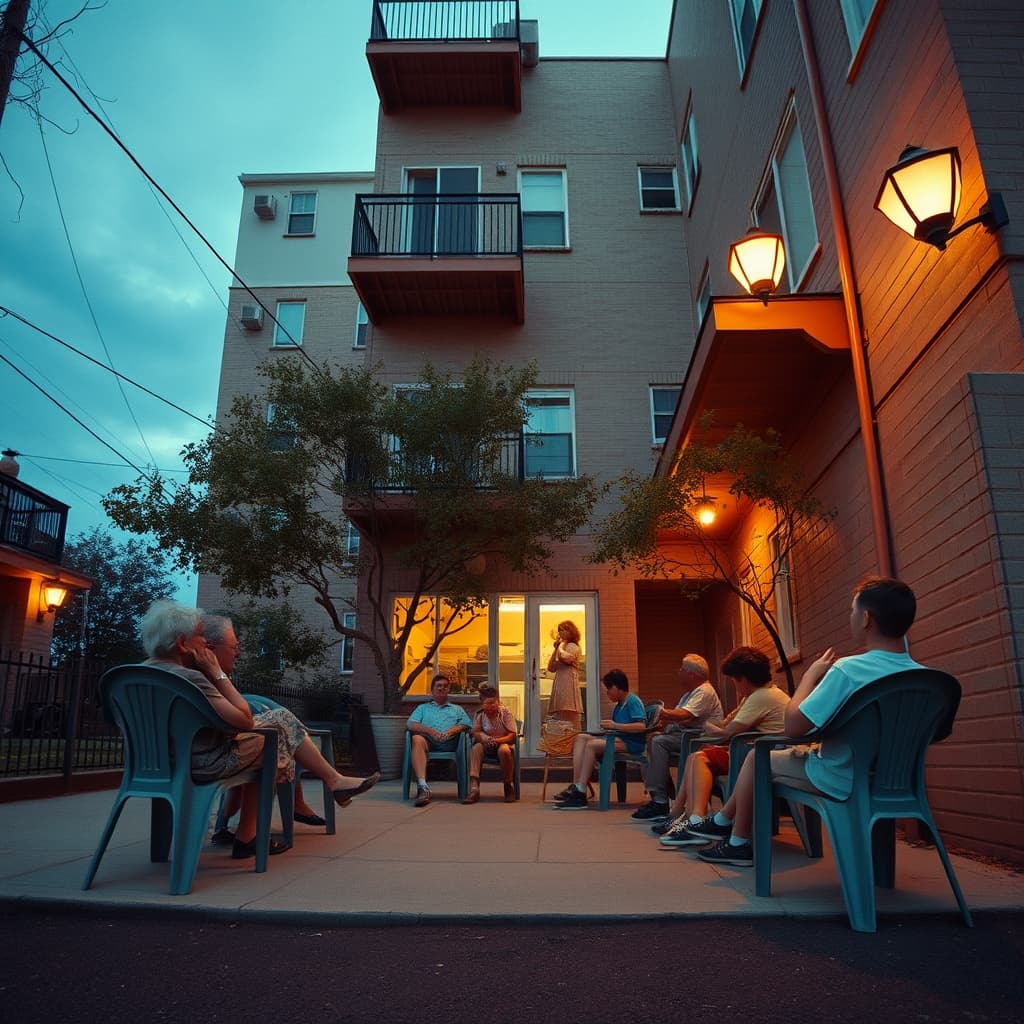
On warm evenings, the space outside an apartment entrance could become a temporary sitting room. Lightweight chairs appeared near the doorway or along the pavement. A paper packet of roasted sunflower seeds passed from hand to hand, shells collecting in a folded newspaper, bowl, or carefully chosen patch of ground. Residents greeted people returning from work, watched children move between the building and street, and allowed conversation to develop without a formal invitation.
The sound of cracking seeds became part of the rhythm, but the gathering was not created by food alone. Its foundation was repeated presence. Neighbours learned familiar footsteps, work hours, family connections, and the usual pattern of lights behind windows. A person arriving late might be asked whether everything was well. A missing resident was noticed. These small observations could create reassurance because help seemed close and everyday life had witnesses.
Trust Grew Through Repetition
Trust was rarely declared. It formed when someone held the entrance door, accepted a parcel, called a parent when a child fell, or kept an eye on groceries left briefly by the stairs. Evening talk exchanged practical information: a water interruption, a repairer’s number, a coming rent meeting, an illness, a wedding, or a vacant flat. Accuracy varied, but the network moved news faster than a notice pinned indoors.
Children experienced this adult presence in complicated ways. The entrance offered a visible boundary from which they could play at a modest distance, and several adults might intervene in danger. At the same time, many children remember being questioned, corrected, or reported to their families. Collective care could feel safe and restrictive at once. A responsible account keeps both experiences in view.
The Pavement Was Shared, Not Private
Apartment-front gatherings occupied space used by other residents and passers-by. Chairs could narrow the route for a pram or a person with limited mobility. Voices carried upward, smoke or seed shells created discomfort, and late conversation disturbed sleep. Good neighbourliness required moving aside, controlling litter, lowering voices, and recognising that not everyone wished to join.
Participation was also uneven. Domestic duties might keep one person serving tea while others talked. Women, tenants, newcomers, minority families, young people, and older residents did not always have equal freedom to speak or withdraw. Gossip could protect community norms or become surveillance that punished difference. Nostalgia for open doors should not erase the cost of constant visibility.
A Modest Food Marked the Duration
Sunflower seeds slowed the evening. Opening one shell at a time gave hands an occupation and left room for pauses. The packet was affordable for many households, though price and availability changed. Tea, fruit, or another snack might accompany it, but no elaborate hosting was necessary. The gathering could expand when a chair arrived and dissolve when children were called upstairs.
To document this culture, an archive can ask where chairs stood, who brought them, how shells were collected, which months encouraged outdoor sitting, and when building life changed. Photographs should be interpreted with attention to access and consent rather than assuming every person was part of one happy group. The sense of trust came from recognisable routines and the possibility of practical help, not from a neighbourhood without conflict. Its memory remains useful when it shows how people negotiated care, privacy, noise, and common space night after night.