 Eski Pano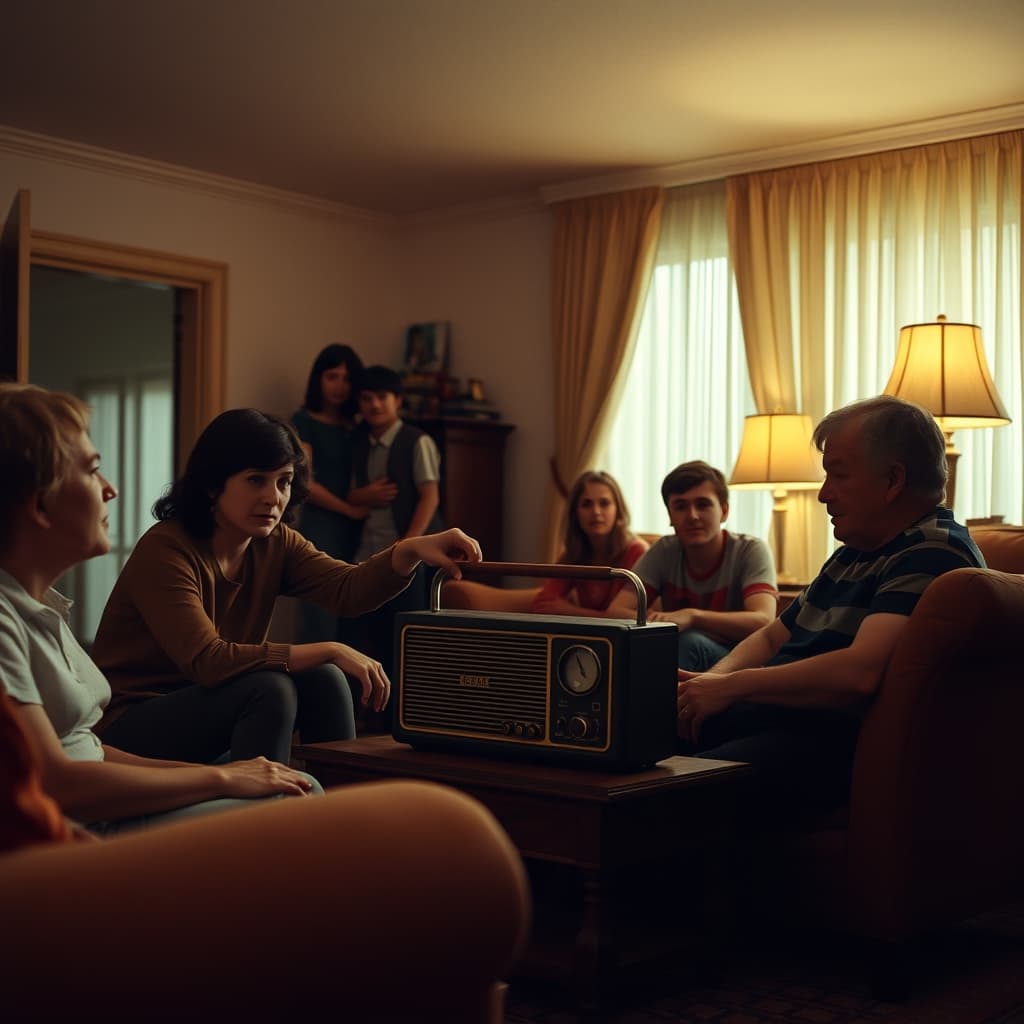
Turning a radio antenna until music became clear was a small act of domestic problem-solving. A station could arrive with hiss, fade beneath interference, or strengthen when the set moved closer to a window. One person adjusted the aerial while another listened from across the room and reported whether the sound improved. The hope attached to the movement was practical: a familiar voice or melody was present somewhere in the noise and might be recovered with patience.
The phrase music box can describe the radio affectionately, but the antenna makes the technology clear. This was not a mechanical box playing a fixed tune; it received a broadcast shaped by frequency, distance, weather, buildings, electrical interference, and the design of the set. Models differed widely in bands, controls, power sources, and aerial systems. No single tuning ritual belongs to every household or period.
The Dial Made Searching Audible
Moving slowly across the scale produced a sequence of fragments: speech without context, music from another station, whistles, static, and sudden clarity. The listener learned how much pressure the knob required and how far it could move without overshooting the signal. Fine tuning sometimes meant returning by a fraction, then changing the aerial angle. The search was part of listening because the programme was not available until reception had been actively established.
The room influenced the result. Reinforced walls, nearby appliances, cables, furniture, and the listener’s own hand could affect reception. Portable sets migrated between a shelf, table, balcony door, or windowsill in search of a better position. Yet improvised aerial extensions and electrical alterations could be unsafe. Historic memories of attaching wire should not serve as repair advice; power supplies, damaged insulation, and internal components belong with qualified technicians.
Listening Became a Household Schedule
Once the station held, the radio organised attention without requiring everyone to face it. Cooking, sewing, reading, homework, or conversation could continue around the sound. A news bulletin changed the tone of the room; a song might bring someone closer; sport encouraged louder reactions. Programme times entered domestic planning, while the person controlling volume negotiated between listeners and those who preferred quiet.
Batteries or mains power added another layer of care. Weak batteries could reduce performance, and loose contacts or worn controls introduced crackle. Owners learned to distinguish a reception problem from a failing set, although diagnosis was not always correct. Repairers cleaned controls, checked connections, replaced damaged parts, and returned a familiar object to service. That second life mattered because the radio’s place and sound were already woven into household routines.
The Habit Survived Because It Allowed Company Without Demand
Radio offered connection while leaving hands and eyes free. It could accompany solitary work or create a shared background, and it did not require every listener to respond in the same way. Access and choice were not equal, broadcasts were limited, and reception could be frustrating. Preserving analogue listening should therefore include interruption, expense, and uneven availability alongside affection.
For a Digital Nostalgia Archive, the antenna-tuned radio matters because it makes listening visible as a relationship between infrastructure, object, room, and human judgement. The remembered turn of the aerial is not valuable merely because it was slower than pressing a digital button. It shows the household participating in reception: searching, comparing, waiting, and recognising the instant when noise became intelligible music. That achieved clarity gave the habit its particular satisfaction.