 Eski Pano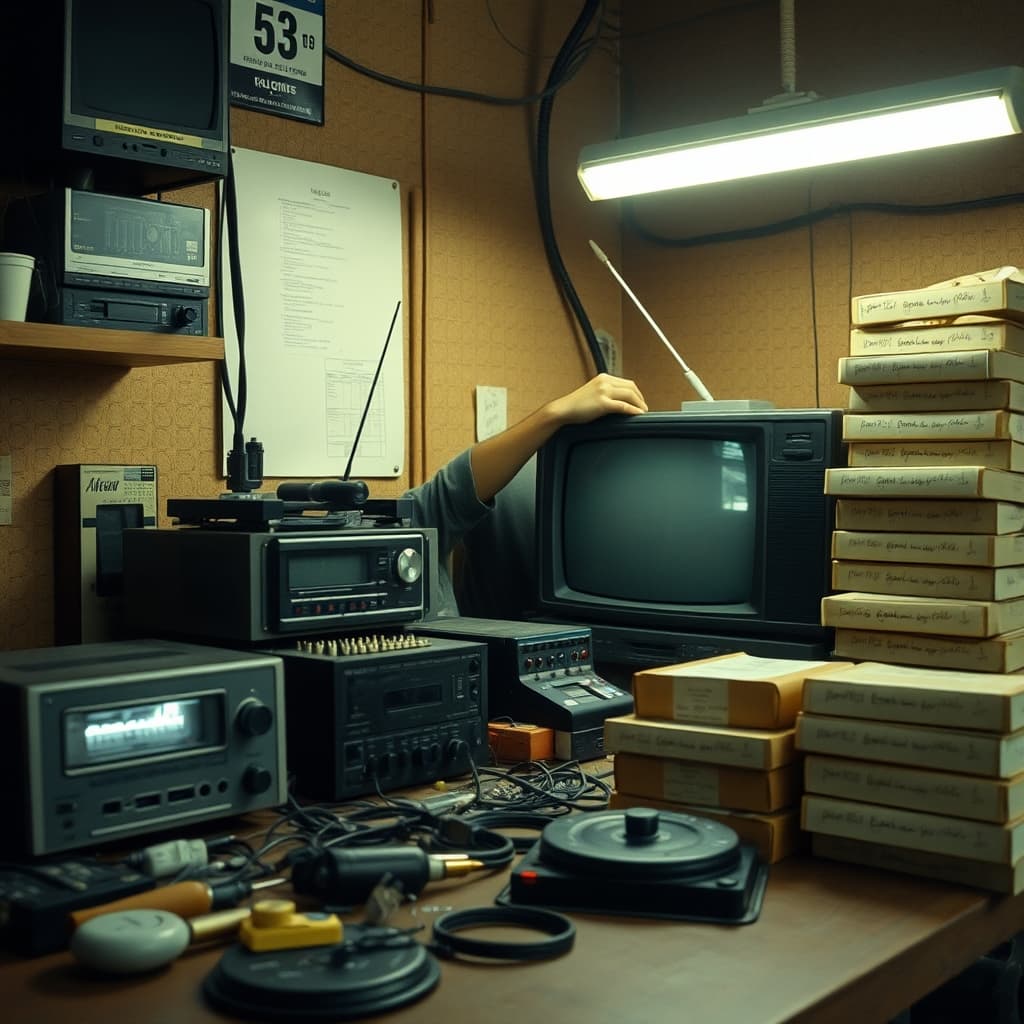
A cassette archive box can look orderly until the first tape refuses to play. Handwritten labels promise songs, radio recordings, language lessons, family voices, or an event identified only by a first name. Inside the shell, however, magnetic tape may have loosened, folded, stretched, or detached from its leader. The player itself may have hardened belts, dirty heads, weak pinch rollers, or speed problems. Preserving the recordings requires treating carrier and machine as one system.
The antenna image sometimes attached to analog memory belongs only to recordings made from radio or television reception. Adjusting an aerial could improve the broadcast signal being recorded, but it did not repair a cassette, restore erased sound, or control tape movement. A cassette works through magnetic recording and electromechanical transport. Keeping those technical histories separate prevents a poetic association from becoming false explanation.
The Box Preserved an Original Order
Sequence carries information. A run of numbered tapes may follow a radio series, a journey, school term, or family chronology. Replacing cases or rearranging by musical genre can break those links. Before intervention, photograph the box, labels, sides, inserts, stickers, and any notes. Record uncertain readings rather than rewriting faded words with confidence.
Home labels are imperfect but valuable. Recording dates may refer to the broadcast, the copying session, or the day someone finally wrote the case. Commercial and homemade material can share a cassette. Copyright and privacy matter when digitised recordings include broadcasts, private conversations, or people who did not expect public distribution.
Playback Can Cause Damage
A tape that squeals, slows, spills, or shows mould should not be repeatedly tested. Pulling exposed tape with fingers introduces creases and dirt. A faulty deck can chew an otherwise stable cassette. Conservators and experienced audio technicians inspect the shell and transport path, use known-good equipment, and decide whether cleaning, shell replacement, leader repair, or another intervention is justified.
Repair should be documented. Moving reels into a donor shell may enable playback but separates the recording from original markings unless both are retained and linked. Pencil winding can take up modest slack, but it is not a cure for damaged tape. Adhesives, lubricants, heat, and household cleaning products can produce irreversible harm.
Digitisation Is Access, Not the End of Preservation
A careful transfer captures each side at stable speed with appropriate levels and minimal processing. Preservation files should remain as close to the source as practical, while edited listening copies can address noise or long silences. File names, checksums, backups, dates, equipment, and operator notes make the transfer accountable. The original cassette should be stored upright in a cool, dry, stable environment away from magnetic fields.
The repair bench gives a cassette archive its second life through diagnosis and restraint, not miraculous recovery. Some recordings will remain incomplete; some labels will resist identification. The valuable outcome is a traceable relationship among box, cassette, sound file, and family knowledge. When the archive preserves gaps as honestly as voices, it protects analog listening without inventing certainty or sacrificing fragile originals to curiosity.