🇹🇷 Türkçe | Telesekreterin Bip Sesinde Biriken Ev İçi Merak
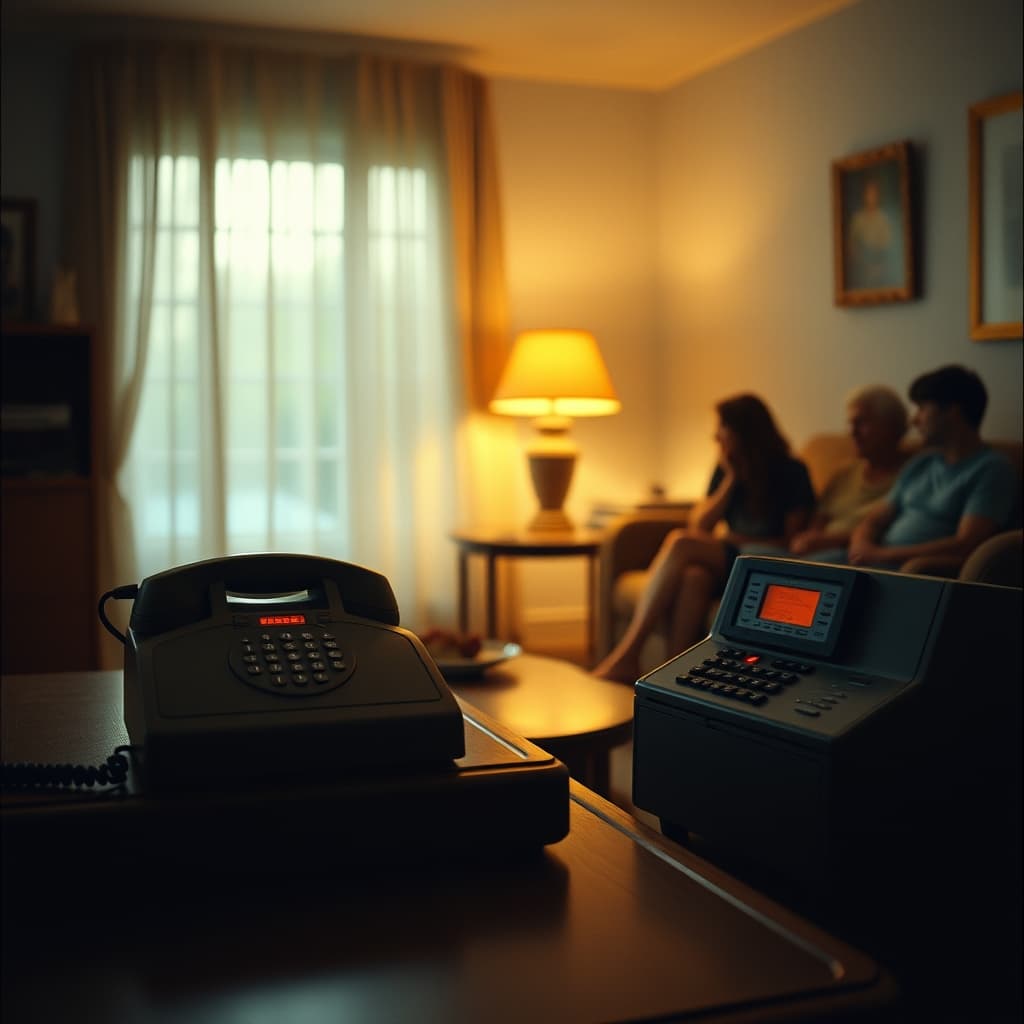
Bir zamanlar ev telefonunun yanında duran telesekreter, sessiz görünen ama evin duygusal hareketini değiştiren küçük bir mucize gibiydi. Salonda televizyon açık olsa, çay bardakları masada dizili dursa, herkes kendi işiyle meşgul görünse bile o cihazın kırmızı ışığı ya da beklenen bir arama ihtimali bütün evin dikkatini tek noktaya toplayabilirdi. Telefon çaldığında önce kısa bir tedirginlik olur, sonra telesekreter devreye girerse herkes birkaç saniyeliğine susardı. Karşı taraftan gelecek sesin kim olduğu, ne diyeceği, tanıdık mı yoksa resmî mi konuşacağı merakı, analog çağın en ince heyecanlarından birini doğururdu. Çünkü o kaydedilmiş ses, eve dışarıdan gelen zamansız bir misafir gibiydi.
Teknoloji Mirası açısından telesekreter, yalnız bir iletişim aracı değil, ev içi bekleyişin düzenini değiştiren ara teknoloji idi. Telefonun anlık dünyası ile kayda alınmış sesin gecikmeli dünyası arasında duruyordu. İnsanlar ilk kez evlerinde, kendileri orada yokken de bir sesin gelip onları bekleyebileceğini fark etmişti. Bu çok küçük gibi görünen yenilik, zaman algısını da dönüştürdü. Arayan kişi artık yalnız arayıp vazgeçmiyor, iz bırakıyordu. Evde bulunanlar ise o izi birlikte dinliyor, aynı anda aynı ses karşısında toplanıyordu. Böylece telesekreter, teknolojik olduğu kadar toplumsal bir nesneye dönüştü. Evde kimin mesaj bırakabileceği, kimin sesinin önemli sayılacağı, hangi mesajın hemen geri dönülmesi gerektiği gibi kararlar bile küçük bir aile hiyerarşisi içinde veriliyordu.
Salonda toplanan ailelerin sessiz heyecanı biraz da bu cihazın törensel kullanımından gelirdi. Bazı evlerde telesekreter kolay kolay çalmazdı; bu yüzden her mesaj özel hissedilirdi. Kırmızı ışık yanıyorsa, gün boyunca kim aradı sorusu akşamın konusu olabilirdi. Çocuklar düğmeye basmak ister, büyükler önce herkesin yerleşmesini beklerdi. Mesaj başladığında odanın havası değişirdi. Bir teyzenin sesi, şehir dışındaki akrabanın aceleyle bıraktığı not, iş yerinden gelen kısa bilgi ya da yanlış numaranın bıraktığı tuhaf boşluk bile uzun süre konuşulabilirdi. O birkaç saniyelik kayıt, evin içine küçük bir hikâye sokardı. İnsanlar yalnız bilgi almıyor, sesin taşıdığı ruh hâlini de okuyordu.
Gündelik yaşam örnekleri telesekreterin neden unutulmadığını daha iyi açıklar. Kasetin sarma sesi, düğmeye basınca gelen kısa klik, aradaki mekanik bekleme ve sonra başlayan insan sesi, bugünün görünmez dijital bildirimlerinden çok daha bedensel bir deneyimdi. Mesajı silmek bile düşünülerek yapılan bir hareketti. Bazı sesler defalarca dinlenir, bazıları aile içinde taklit edilir, bazıları ise saklanırdı. Bayram öncesi bırakılmış bir kutlama mesajı, yurttan arayan bir öğrencinin sesi ya da yeni işe başlayan birinin heyecanlı konuşması, evin duygusal arşivine eklenirdi. Telesekreter bu yüzden yalnız teknoloji değildi; aile hafızasının yeni ama samimi çekmecelerinden biri hâline gelmişti.
Bugün o analog heyecanın unutulmamasının sebebi, belki de iletişimin o yıllarda hâlâ biraz bekleme ve biraz merak içermesidir. Her şey anında öğrenilmiyor, mesaj ekranda sessizce belirmiyor, sesin tonu doğrudan odaya yayılıyordu. İnsanlar birbirinin cümlesini değil, nefesini, tereddüdünü, aceleciliğini de duyuyordu. Bu yüzden telesekreter mesajı, yazılı bir nottan daha canlı ve telefon konuşmasından daha kalıcıydı. Analog çağın unutulmayan heyecanı tam da burada saklıydı: teknoloji, insan duygusunu tamamen silmeden onu biraz daha görünür kılıyordu.
Sonuçta salonda toplanan ailelerin sessiz heyecanı ile telesekreter arasındaki bağ, küçük bir cihazın ev hayatına kattığı büyük duygusal değişimi gösterir. O bip sesi, yalnız kaydın başladığını haber vermezdi; evin dış dünyayla ilişkisinin yeni bir biçimde sürdüğünü de anlatırdı. Bugün geriye bakıldığında özlenen şey yalnız eski bir elektronik eşya değil, birlikte dinlemenin, birlikte merak etmenin ve sese daha dikkatle kulak vermenin terbiyesidir.
🇬🇧 English | Domestic Curiosity Gathered in the Beep of the Answering Machine
There was a time when the answering machine beside the home telephone felt like a small miracle, quiet in appearance yet capable of changing the emotional movement of an entire household. The television might be on in the living room, tea glasses lined up on the table, and everyone might seem occupied with something else, yet the red light on that device, or even the possibility of an expected call, could gather the attention of the whole house into one point. When the telephone rang, there was first a slight tension, and if the answering machine took over, everyone fell silent for a few seconds. Curiosity about whose voice would arrive, what it would say, whether it would sound familiar or formal, created one of the most delicate thrills of the analog age. That recorded voice felt like an untimely visitor entering the home from outside.
From the perspective of technological heritage, the answering machine was not only a communication tool, but an intermediate technology that altered the pattern of waiting within the home. It stood between the immediate world of the telephone and the delayed world of recorded sound. For the first time, many people realized that a voice could arrive at their house and wait for them even in their absence. This apparently small innovation also changed the sense of time. The caller no longer simply called and disappeared. The caller left a trace. Those in the home gathered around that trace and listened together at the same moment. In that way, the answering machine became not only technological, but social. Even decisions about whose message mattered, whose voice required attention, and which call had to be returned quickly were often made within a quiet family hierarchy.
The quiet excitement of families gathering in the living room came partly from the ceremonial way the device was used. In some homes the answering machine did not activate often, and for that reason each message felt special. If the red light was blinking, the evening conversation might revolve around who had called during the day. Children wanted to press the button, while the elders preferred to wait until everyone had settled. When the message began, the atmosphere of the room changed. The voice of an aunt, a hurried note from a relative in another city, a short message from the workplace, or even the awkward emptiness left by a wrong number could remain a topic for a long time. Those few recorded seconds brought a small story into the house. People did not receive information alone. They also read the mood carried by the voice.
Everyday details explain why the answering machine has not been forgotten. The sound of the tape turning, the short mechanical click when a button was pressed, the pause before the message began, and then the human voice itself created an experience far more physical than today’s invisible notifications. Even erasing a message was an act done with thought. Some voices were replayed many times, some were imitated within the family, and some were carefully kept. A holiday greeting left before a feast day, the voice of a student calling from a dormitory, or the eager tone of someone who had just begun a new job all entered the emotional archive of the household. That is why the answering machine was never only a device. It became a new yet intimate drawer in family memory.
The reason the analog thrill remains unforgettable may be that communication in those years still contained a measure of waiting and wonder. Not everything was learned instantly, messages did not appear silently on a screen, and the tone of the voice spread directly through the room. People heard not only each other’s words, but also breathing, hesitation, urgency, and excitement. For that reason, an answering-machine message felt more alive than a written note and more lasting than a phone call. The unforgettable excitement of the analog age was hidden exactly there: technology had not yet erased human feeling, but made it newly audible.
In the end, the bond between families gathering quietly in the living room and the answering machine shows how a small device could bring a large emotional change into domestic life. That beep did not only announce that recording had begun. It also told the household that its connection to the outer world would continue in a new form. Looking back now, what is missed is not merely an old electronic object, but the discipline of listening together, wondering together, and giving more patient attention to a voice.
🇧🇷 Português (Brasil) | A Curiosidade da Casa Reunida no Bip da Secretária Eletrônica
Houve um tempo em que a secretária eletrônica ao lado do telefone da casa parecia um pequeno milagre, discreto na aparência, mas capaz de mudar o movimento emocional de toda a família. A televisão podia estar ligada na sala, os copos de chá alinhados sobre a mesa e cada um aparentemente ocupado com outra coisa, mas a luz vermelha do aparelho, ou mesmo a possibilidade de uma ligação esperada, era suficiente para reunir a atenção de todos em um único ponto. Quando o telefone tocava, vinha primeiro uma leve tensão, e se a secretária assumia a chamada, todos ficavam em silêncio por alguns segundos. A curiosidade sobre quem seria aquela voz, o que diria, se soaria íntima ou formal, criava uma das emoções mais delicadas da era analógica. Aquela voz gravada era como uma visita inesperada entrando na casa.
Do ponto de vista do patrimônio tecnológico, a secretária eletrônica não era apenas um meio de comunicação, mas uma tecnologia intermediária que alterou a forma de esperar dentro de casa. Ela ficava entre o mundo imediato do telefone e o mundo adiado do som gravado. Pela primeira vez, muita gente percebeu que uma voz podia chegar ao lar e permanecer ali, esperando, mesmo sem ninguém presente. Essa mudança aparentemente pequena também transformou a percepção do tempo. Quem ligava não apenas tentava e desistia. Deixava um rastro. Os que estavam em casa se reuniam diante desse rastro e o ouviam juntos. Assim, a secretária eletrônica se tornou não apenas um objeto tecnológico, mas também social. Até decisões sobre qual mensagem era importante, qual voz exigia atenção e para quem era preciso retornar logo passavam por uma hierarquia silenciosa da família.
A emoção silenciosa das famílias reunidas na sala vinha também do uso quase cerimonial do aparelho. Em algumas casas, a secretária não registrava mensagens com frequência, e por isso cada gravação parecia especial. Se a luz vermelha piscava, a pergunta “quem ligou hoje?” podia dominar a noite. As crianças queriam apertar o botão, enquanto os mais velhos preferiam esperar todos se acomodarem. Quando a mensagem começava, o clima do cômodo mudava. A voz de uma tia, o recado apressado de um parente de outra cidade, uma informação curta do trabalho ou até o vazio estranho deixado por um número errado podiam render conversa por muito tempo. Aqueles poucos segundos gravados levavam uma pequena história para dentro de casa. As pessoas não recebiam apenas informação. Elas também percebiam o estado de espírito carregado pela voz.
Os detalhes do cotidiano ajudam a entender por que a secretária eletrônica não foi esquecida. O som da fita girando, o clique mecânico do botão, a breve espera antes do início da mensagem e então a voz humana criavam uma experiência muito mais física do que as notificações invisíveis de hoje. Até apagar uma mensagem era um gesto pensado. Algumas vozes eram ouvidas várias vezes, algumas viravam imitação dentro da família, e outras eram guardadas com cuidado. Uma saudação deixada antes do feriado, a voz de um estudante ligando do alojamento ou o entusiasmo de alguém que acabara de começar um trabalho novo passavam a fazer parte do arquivo afetivo da casa. Por isso a secretária eletrônica nunca foi só um aparelho. Tornou-se uma gaveta nova e íntima da memória familiar.
O motivo de essa emoção analógica permanecer tão viva talvez esteja no fato de que a comunicação naquele tempo ainda guardava um pouco de espera e um pouco de mistério. Nem tudo era descoberto na hora, as mensagens não apareciam silenciosamente numa tela, e o tom da voz se espalhava diretamente pelo ambiente. As pessoas ouviam não apenas as palavras umas das outras, mas também a respiração, a hesitação, a pressa e a empolgação. Por isso a mensagem da secretária parecia mais viva do que um bilhete e mais duradoura do que uma conversa telefônica. A emoção inesquecida da era analógica estava justamente aí: a tecnologia ainda não apagava o sentimento humano, mas o tornava audível de um novo modo.
No fim, o vínculo entre a emoção silenciosa das famílias reunidas na sala e a secretária eletrônica mostra como um aparelho pequeno podia provocar uma grande mudança afetiva na vida doméstica. Aquele bip não anunciava apenas o início da gravação. Também dizia que a relação da casa com o mundo exterior seguiria em uma nova forma. Ao olhar para trás, o que faz falta não é somente um velho objeto eletrônico, mas a disciplina de ouvir juntos, de ter curiosidade juntos e de prestar mais atenção a uma voz.