Eski Pano
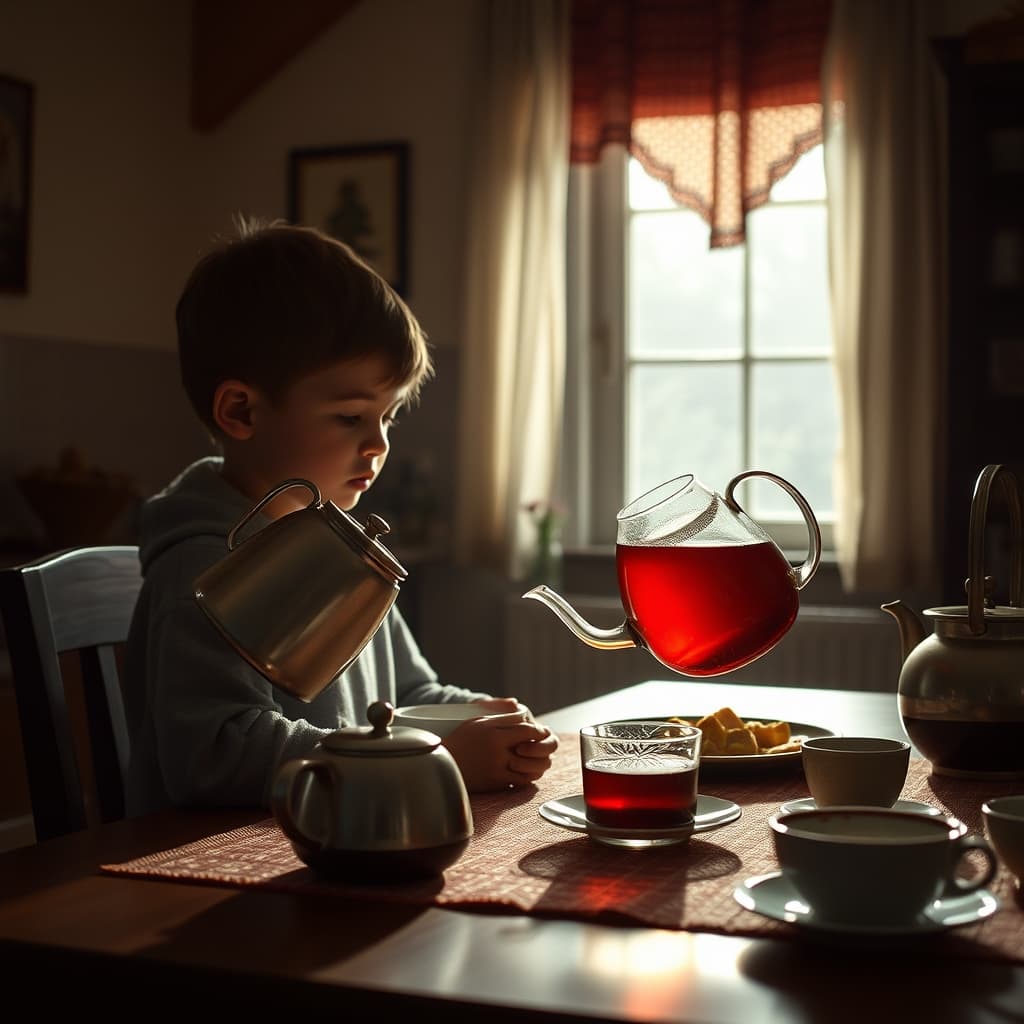
In old homes, after-school hour worked like an invisible alarm between kitchen and living room. The doorbell rang, shoes tapped through the hallway, and steam from the kettle seemed to meet those sounds halfway. For many children, this was the safest moment of the day: the first spoon reaching the plate, and rabbit-blood-red tea poured into a thin glass from the teapot. This pairing was more than a snack. It was a daily domestic ritual that reset care and belonging.
The phrase “rabbit-blood red” describes more than tea color; it signals density, patience, and skill. After water boiled, tea ratio had to be balanced, steeping time could not be rushed, and heat had to remain controlled. In many households, the mother handled this balance; in others, a grandfather or grandmother managed the brew. Whoever prepared it, rules were transmitted orally: “don’t kill the water,” “don’t suffocate the tea,” “check the color before serving.” These short lines were compact codes of culinary knowledge.
The first after-school spoon usually reached familiar foods: tomato-paste pasta, lentil soup, potato pastry, or olive-oil leftovers from yesterday. Value here came not from menu luxury but from timing warmth. When food was ready upon arrival, it meant, in concrete form, “you were expected.” Family recipes are therefore not only ingredient lists; they are knowledge of being ready at the right hour, serving at the right temperature, and welcoming with the right sentence.
One reason this habit holds special status is its ability to soften daily fatigue. For children leaving school noise, street traffic, and homework pressure, familiar kitchen smells regulated the nervous system. The scent of tea from the pot and steam from the plate quickly built the feeling: “I am home.” What psychology might now call sensory safety was then a practical household norm understood without theory.
In palate memory, the importance of deep-brewed tea comes not from being a beverage alone, but from moments accompanying it. The day’s conversation, the question “how was school?”, a returned dish from a neighbor, soft radio music all framed the taste. Years later, seeing the same tea color recalls not only flavor but the room’s light and conversation tone. Memory does not archive taste in isolation; it stores context with it.
A final reason this pair holds a privileged place in family recipes is continuity. Holiday meals happen a few times a year, but after-school table rituals repeat almost daily. Repeated rituals shape identity more deeply. Even when children grow up and move away, they search for the same tea tone and try to recreate the same tomato-paste aroma in pasta. Recipe transmission, then, continues not only on the tongue but in behavior.
That is why the first spoon after school and the deep-red tea from the kettle stand in a special place in family culture. The moment exceeds nutrition and carries belonging, care, and continuity. Nostalgia here is not sentimental retreat; it is an effort to understand how ordinary tables built psychological and cultural resilience for a generation.
The First Spoon Reaching the Plate After School and the Rabbit-Blood-Red Tea Rising from the Kettle: Why İt Holds a Special Place Within Family Recipes