 Eski Pano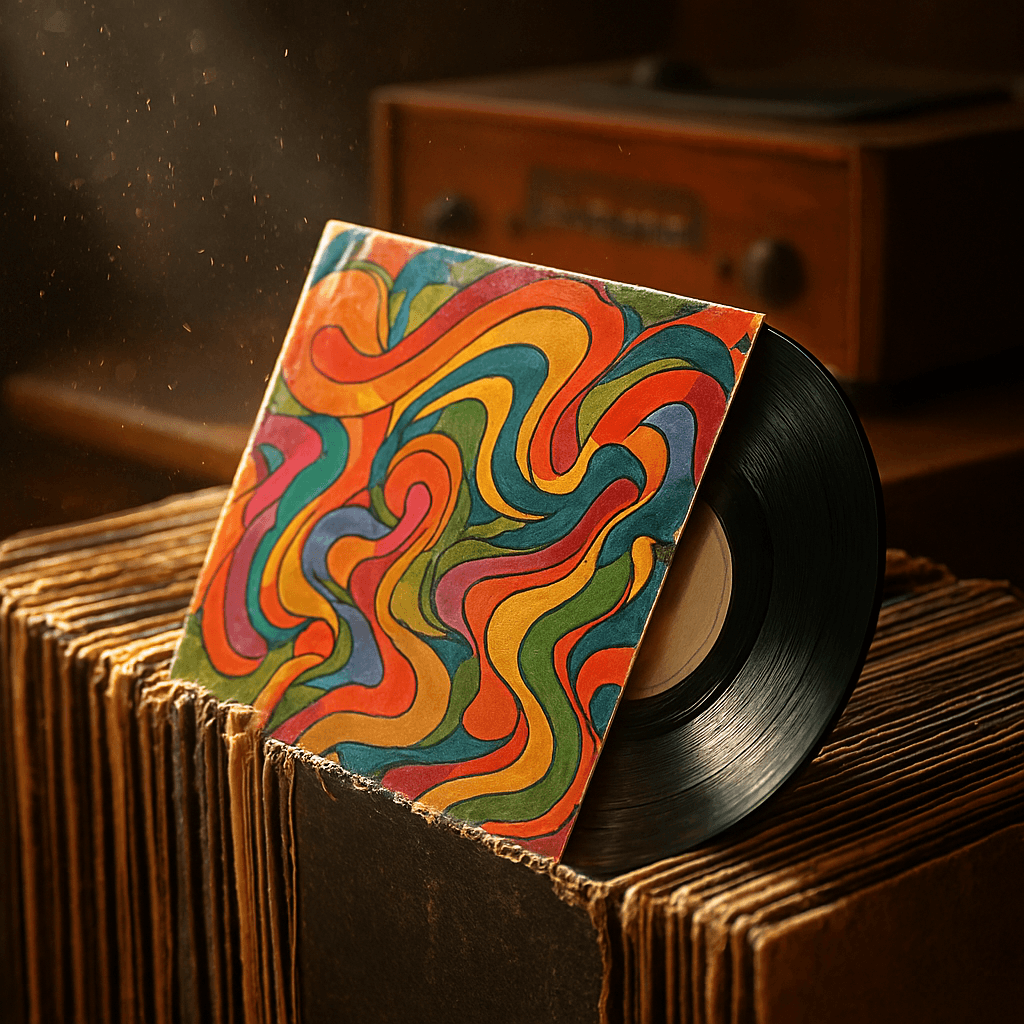
Art on the Cover: The Visual Legacy of Vinyl Records looks at one of the everyday details that can pass unnoticed at the time yet remain in memory for years. Considered within Obje Hikayeleri / Object Stories / Histórias de Objetos, this subject is not only about an object, sound or habit from the past. It also makes visible how people shared space, time and feeling. Topics such as Art on the Cover: The Visual Legacy of Vinyl Records endure because of small moments repeated over time rather than because of grand events alone.
The order of a home, the changing sound of a street at a particular hour, a brief conversation in a shop or a familiar movement around a table can all become more than private recollection. The detail may appear differently in every family, but it can still carry a shared emotional meaning. To understand the past is therefore not only to look at old things, but also to read the relationships and rhythms formed around them.
Quiet Signs of Everyday Life
Memories gathered around Art on the Cover: The Visual Legacy of Vinyl Records are rarely made in a single instant. A smell, sound or image that once seemed ordinary in childhood can gradually become a sign of an entire period. The mind keeps not only events, but also the atmosphere in which they happened. That is why a small detail can create a closeness that even an official historical record cannot always provide.
Work and care have an important place in this kind of memory. Preparing, cleaning, storing, repairing or sharing something reveals a quiet order that keeps daily life going. Older habits can look romantic from a distance, yet they also contained patience, practical invention under limited means and a need to trust other people. The value of the story lies in holding that warmth without hiding its difficulties.
Why It Still Feels Close
A scene from the past feels close to the present because human needs change less than the tools around them: returning home, being understood, sharing time, waiting and feeling that one belongs. Art on the Cover: The Visual Legacy of Vinyl Records recalls these needs without having to name them directly. When a reader finds a trace of their own family, neighbourhood or childhood, the subject stops being distant nostalgia and becomes a living conversation.
These stories matter not because they present the past as perfect, but because they help explain how everyday culture is formed. Every generation adopts different objects and routines, while ways of caring, being curious, talking and sharing continue. Cultural memory gains force precisely in the space between that continuity and change.
Memory Carried into the Present
Seen today, Art on the Cover: The Visual Legacy of Vinyl Records invites a slower and more attentive way of looking. In an age of rapid consumption and constant novelty, some experiences become easy to overlook. Yet the wear on an object, the association a sound leaves in a neighbourhood or the recurring order of a table can form a cultural language that connects people. Remembering that language does not mean returning to the past; it means creating more attentive and shareable moments in the present.
For Eski Pano, these accounts are less about decorating a lost time than about recording the value of ordinary life. What appears through Art on the Cover: The Visual Legacy of Vinyl Records is not merely the history of an object or habit. The deeper story is found in human ties, quiet rituals and small knowledge passed between generations. For that reason, the topic remains a living part of both personal memory and the shared cultural archive.